
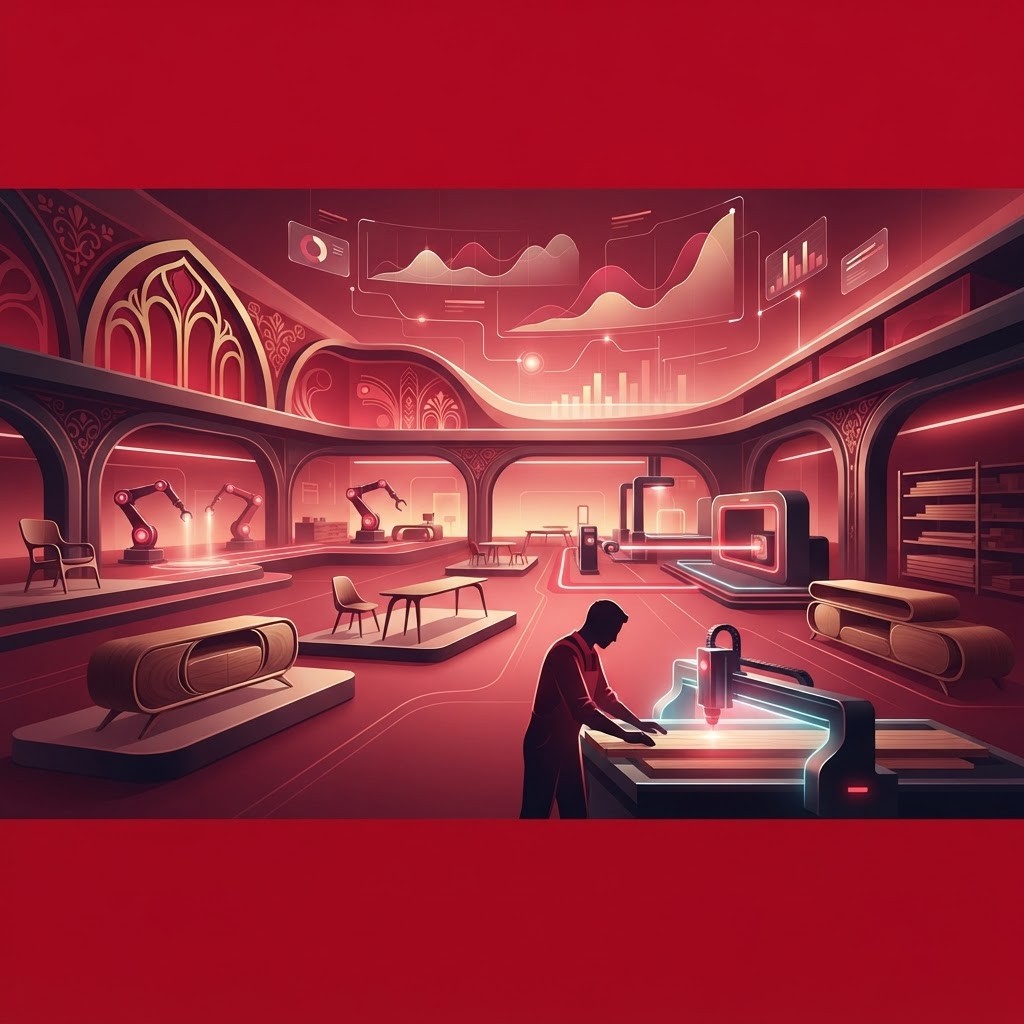
Hungary's Enduring Furniture Manufacturing Tradition
Hungary has long held a respected place in Central European furniture production, combining a deep tradition of woodworking with the efficiency of modern factory processes. The country's central location, skilled labour force, and access to sustainably managed forests have made it an attractive base for both domestic manufacturers and international brands sourcing quality pieces. Over the past two decades, Hungarian furniture makers have invested heavily in CNC machinery, digital design tools, and lean production methods, allowing them to compete on both craftsmanship and price across European markets.
The sector spans everything from mass-produced flat-pack items to bespoke solid-wood pieces, upholstered seating, office systems, and contract furniture for the hospitality industry. This diversity is one of Hungary's greatest strengths, giving buyers a wide spectrum of choices whether they need volume production or artisanal detail.
What Sets Hungarian Furniture Makers Apart
Several factors distinguish Hungary's best manufacturers. First is material quality: many rely on locally sourced beech, oak, and pine, species that are abundant and durable. Second is a culture of precision engineering inherited from the country's strong industrial heritage. Third is flexibility, as Hungarian firms have become adept at handling custom orders and short production runs that larger Western European factories often decline. Together, these qualities create a reputation for reliability and value.
Leading Furniture Manufacturers to Know
Kanizsa Trend is one of the most recognisable names, producing upholstered furniture and sofa systems with a focus on comfort and modern design. The company exports across Europe and is known for combining ergonomic engineering with contemporary aesthetics.
Falco Group, based in Szombathely, is a major player in wood-based panels and furniture components. Its scale and vertical integration make it a cornerstone supplier for many downstream furniture producers, offering chipboard, laminated panels, and finished pieces.
Fatér Bútor has built a reputation for solid-wood dining and bedroom furniture, appealing to customers who value traditional joinery and natural finishes. The brand is often chosen for its durability and timeless styling.
Interco Bútoripari specialises in office and institutional furniture, supplying schools, offices, and public buildings with functional, hard-wearing systems that meet European safety standards.
Mobilio focuses on modular living-room and kitchen solutions, emphasising space efficiency for urban homes. Its design-forward approach has earned a loyal following among younger buyers.
Ξ Rekamié Manufaktúra serves the premium segment with handcrafted upholstered seating, blending classic silhouettes with modern fabrics for interior designers and boutique hotels.
Diego-linked furniture producers and regional workshops around Kecskemét and Debrecen round out the landscape, supplying both retail chains and export partners with competitively priced ranges.
Bútorplus Kft. is respected for kitchen cabinetry and fitted storage, offering tailored measurements and a broad palette of finishes suited to renovation projects.
Nádudvari Bútor carries a strong regional heritage, known for rustic and country-style pieces that celebrate Hungarian craftsmanship and appeal to buyers seeking character-rich furniture.
Line Bútor completes the list with contemporary flat-pack and ready-to-assemble collections designed for affordability and easy distribution across retail networks.
Industry Trends Shaping the Market
Sustainability is now a defining theme. Hungarian manufacturers increasingly pursue FSC and PEFC certification, use water-based lacquers, and design for recyclability. Demand for customisation is also rising, with buyers expecting configurable dimensions, colours, and materials delivered on shorter lead times. Digitalisation, from online configurators to automated production scheduling, is helping firms meet these expectations while controlling costs.
Another notable trend is the growth of contract and hospitality furniture, driven by Hungary's expanding tourism and real-estate sectors. Manufacturers capable of delivering coordinated, durable ranges for hotels and offices are seeing strong order growth.
The Economic Impact of Furniture Production
Furniture manufacturing contributes meaningfully to Hungary's industrial economy, supporting thousands of jobs across production, logistics, and retail. Many manufacturing clusters are located in regional towns, where they provide stable employment and sustain local supply chains of timber, hardware, textiles, and finishing materials. This regional footprint helps distribute economic activity beyond Budapest and reinforces Hungary's reputation as a dependable production base within the European Union's single market.
Export performance is a key measure of the sector's strength. Hungarian manufacturers ship a significant share of their output to Germany, Austria, and other Western European markets, where buyers value the combination of quality and competitive pricing. This export orientation encourages continual investment in quality systems, design capability, and efficient logistics.
How to Evaluate Quality and Craftsmanship
For buyers assessing Hungarian furniture, several quality indicators are worth examining. Joinery quality, such as dovetail or mortise-and-tise joints in solid-wood pieces, signals durability. The consistency of finishes, the smoothness of drawer runners and hinges, and the stability of frames all reflect production standards. For upholstered items, frame construction, foam density, and stitching quality determine longevity and comfort. Requesting detailed specifications and physical samples remains the most reliable way to verify these attributes before committing to volume orders.
Choosing the Right Manufacturing Partner
When selecting a furniture manufacturer in Hungary, buyers should weigh production capacity, material sourcing, certifications, and the flexibility to handle custom requirements. Reviewing sample quality, lead times, and after-sales support is essential. For international buyers, logistics capability and experience with export documentation add further value. Establishing clear communication and quality-control checkpoints early in the relationship helps prevent costly misunderstandings later.
Ultimately, Hungary offers a rare combination of craftsmanship, industrial capability, and competitive pricing. Whether sourcing solid-wood heirloom pieces or high-volume modular systems, businesses and consumers alike can find manufacturers that deliver dependable quality and genuine value, backed by a proud tradition of Central European woodworking excellence.
