
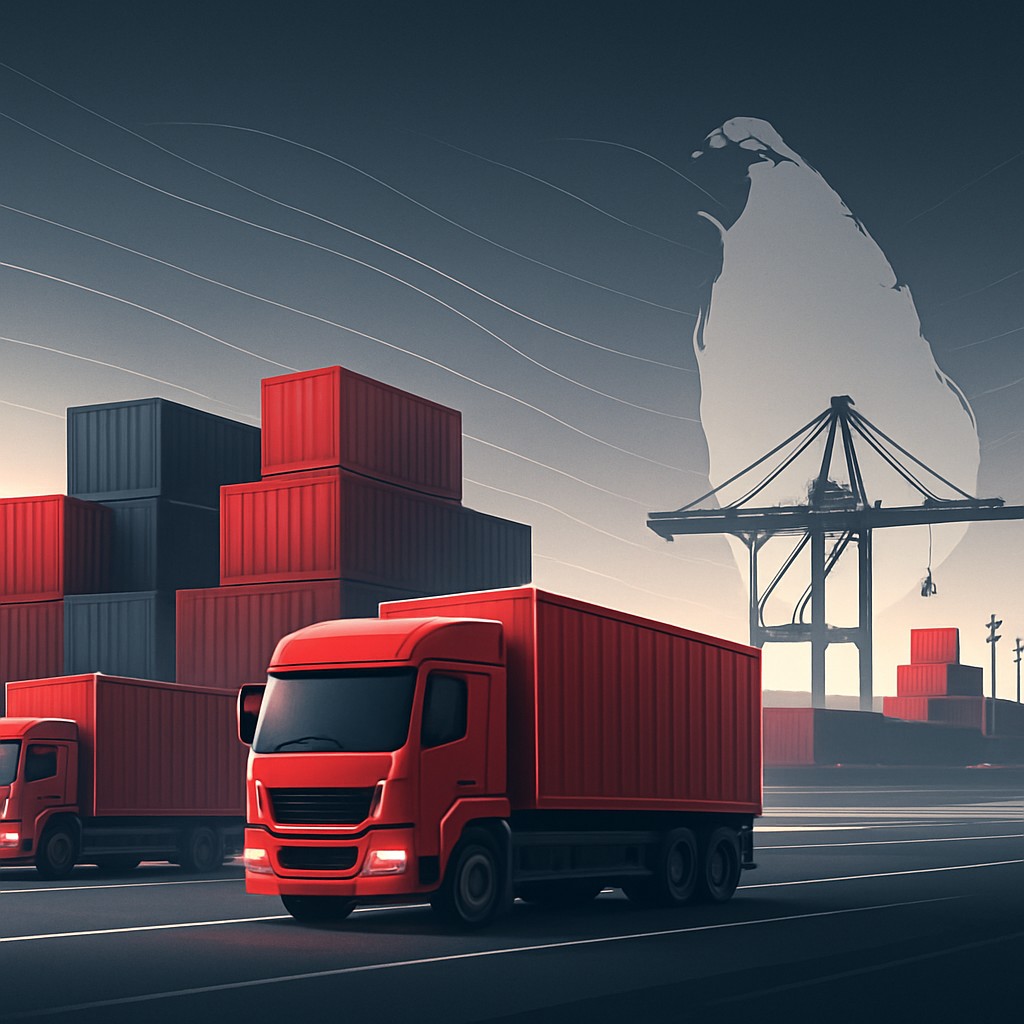
Freight: The Engine of Sri Lankan Trade
As an island nation strategically positioned along major Indian Ocean shipping lanes, Sri Lanka depends heavily on efficient freight services to sustain its trade-driven economy. Freight companies move everything from tea, garments, and spices destined for export to machinery, fuel, and consumer goods arriving as imports. Their role in keeping supply chains flowing makes them essential to the country's economic health.
The freight sector encompasses road haulage, sea freight, and air cargo, often integrated into seamless multimodal services. With the Port of Colombo ranking among the busiest transshipment hubs in South Asia, freight forwarders play a pivotal role in connecting Sri Lankan businesses to global markets.
What Defines a Leading Freight Company
Top freight companies in Sri Lanka are characterised by reliability, extensive networks, and comprehensive service offerings. Shippers value providers that can handle documentation, customs clearance, warehousing, and last-mile delivery under one roof. Strong international agent networks allow these firms to coordinate shipments across continents efficiently.
Technology and transparency are increasingly important. Leading companies offer cargo tracking, real-time updates, and digital documentation that give clients visibility and control over their shipments. Expertise in handling specialised cargo, from perishable goods to oversized industrial equipment, further sets the best providers apart.
The Top 10 Freight Companies
Hayleys Advantis is one of Sri Lanka's largest integrated logistics and freight providers, offering end-to-end solutions across sea, air, and land. Expolanka Freight has a strong global presence and specialises in air and ocean freight forwarding for diverse industries.
Aitken Spence Logistics brings decades of expertise in freight forwarding, warehousing, and supply chain management, backed by a trusted corporate reputation. McLarens Group offers comprehensive shipping and freight services with deep experience in the maritime sector.
Globe Logistics provides reliable freight forwarding and customs clearance tailored to importers and exporters. EFL (Expo Freight) is renowned for its global network and specialised handling of apparel and fashion logistics, a key Sri Lankan export sector.
Freight Links International delivers integrated freight and logistics solutions with a focus on customer service. GAC Sri Lanka combines shipping, freight, and logistics expertise as part of a respected international group. Mercantile Freight serves a broad client base with dependable forwarding services, while Continental Freight Lanka rounds out the list with flexible solutions for both small and large shipments.
Modes of Freight Transport
Sea freight remains the dominant mode for Sri Lankan trade, given the island's reliance on maritime routes and the strategic importance of the Port of Colombo. It offers cost-effective transport for large volumes and heavy goods, making it ideal for bulk exports and imports.
Air freight, though more expensive, is essential for time-sensitive and high-value cargo such as garments, electronics, and perishables. Road freight connects ports and airports to inland destinations, completing the supply chain. The best freight companies combine these modes into integrated multimodal solutions that optimise cost, speed, and reliability.
Navigating Customs and Compliance
Customs clearance is a critical and often complex aspect of freight movement. Leading companies maintain dedicated customs expertise to ensure shipments comply with regulations, avoid delays, and minimise costs. Proper documentation, accurate classification of goods, and knowledge of duty structures are essential to smooth international trade.
For exporters and importers, partnering with an experienced freight forwarder reduces the risk of costly errors and shipment hold-ups. This professional support is especially valuable for businesses entering new markets or handling specialised cargo.
The Future of Freight in Sri Lanka
The freight industry is embracing digitalisation, with electronic documentation, online tracking, and data-driven logistics becoming standard. Investments in port infrastructure and expanding expressway networks continue to enhance the efficiency of cargo movement across the island.
As global trade evolves, Sri Lanka's leading freight companies are well positioned to support the country's exporters and importers. Their combination of reliability, expertise, and innovation ensures that goods continue to move smoothly between the island and markets around the world, sustaining the trade that underpins the national economy.
Supporting Small and Medium Enterprises
While large corporations have long relied on professional freight services, small and medium enterprises are increasingly turning to freight forwarders to access international markets. Many Sri Lankan producers of tea, spices, handicrafts, and specialty foods are now exporting directly to buyers abroad, and experienced freight companies play a vital role in making this possible. By handling the complexities of documentation, customs, and international coordination, freight providers allow smaller businesses to compete on a global stage without needing in-house logistics expertise. This democratisation of trade is helping diversify Sri Lanka's export base and create new economic opportunities. As more SMEs embrace exporting, the demand for flexible, affordable, and knowledgeable freight services is set to grow, encouraging providers to develop tailored solutions for smaller shipments and first-time exporters. This responsiveness to the needs of growing businesses reflects the maturity of Sri Lanka's freight sector, which continues to balance scale and personalised service. By empowering enterprises of every size to participate in international trade, the country's freight companies are not only moving goods but also driving inclusive economic growth across the island.
