
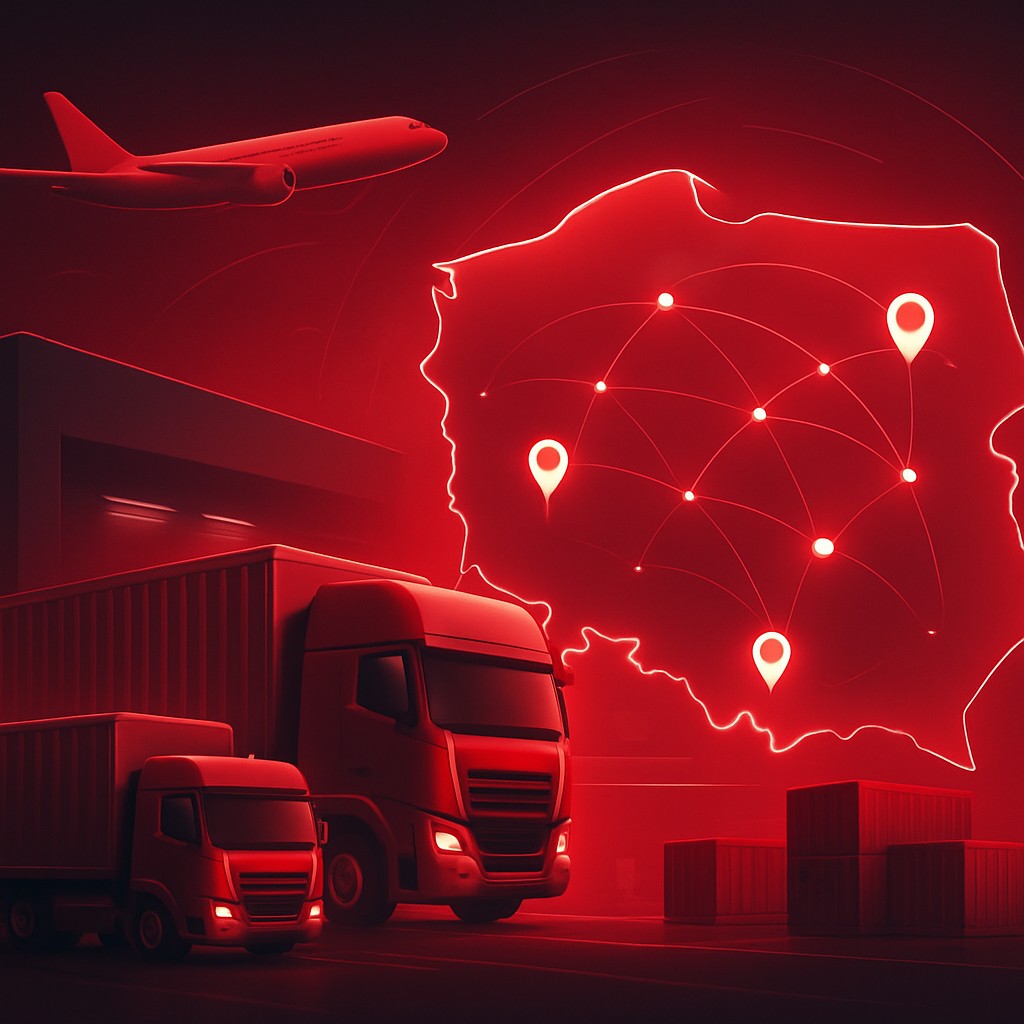
Poland at the Heart of European Logistics
Poland's geographic position at the crossroads of Europe has made it a critical hub for freight and logistics. Bordering both Western and Eastern European markets and offering access to the Baltic Sea, the country serves as a gateway for goods moving across the continent. This strategic advantage, combined with significant investment in infrastructure, has fueled the growth of a dynamic and competitive freight sector.
From road haulage and rail transport to air cargo and sea freight, Poland's logistics companies handle an enormous volume of goods every day. Businesses ranging from manufacturers to e-commerce retailers rely on these providers to keep supply chains running smoothly, making the freight industry a vital engine of the Polish economy.
The Range of Freight Services
Poland's freight companies offer a comprehensive array of services to meet diverse business needs. Road freight remains the backbone of domestic and international transport, with extensive trucking networks connecting Poland to destinations across Europe. The country's modern highway system and large fleet capacity make road haulage both efficient and flexible.
Rail freight has gained prominence as a sustainable and cost-effective option for long-distance and bulk shipments, supported by Poland's role in pan-European rail corridors. Air cargo services, operating through major airports, cater to time-sensitive and high-value goods, while sea freight through Baltic ports such as Gdansk and Gdynia handles international container traffic. Many companies also provide integrated logistics, including warehousing, distribution, and supply chain management.
Leading Companies in the Sector
Poland is home to both global logistics giants and strong domestic operators. International companies such as DHL, DB Schenker, and DSV maintain a significant presence, offering comprehensive services backed by extensive global networks and advanced technology. These providers are trusted by businesses for their reliability, scale, and end-to-end solutions.
Domestic and regional players also play a crucial role. Companies like Raben Group and Rohlig Suus Logistics have built strong reputations for their expertise in the Central European market, combining local knowledge with sophisticated logistics capabilities. These operators often excel in flexibility and personalized service, making them valuable partners for businesses of all sizes.
What Defines a Top Freight Provider
Several qualities distinguish leading freight companies. Reliability and on-time delivery are fundamental, as businesses depend on predictable transport to maintain their operations. Network reach and capacity determine a provider's ability to handle shipments of varying sizes and destinations efficiently.
Technology has become a key differentiator, with the best companies offering real-time tracking, digital documentation, and data-driven supply chain optimization. Strong customer service, transparent pricing, and a commitment to safety and compliance further set top providers apart. Increasingly, sustainability initiatives, such as adopting cleaner vehicles and optimizing routes, also influence businesses' choice of partner.
Trends Shaping the Industry
The Polish freight sector is evolving rapidly, driven by the growth of e-commerce, technological innovation, and sustainability demands. The surge in online shopping has increased the need for fast, flexible last-mile delivery, prompting companies to expand their distribution networks and warehousing capacity. Automation and digital platforms are streamlining operations and improving transparency throughout the supply chain.
Environmental responsibility is also reshaping the industry, with providers investing in fuel-efficient fleets, electric vehicles, and intermodal solutions that reduce emissions. These trends point to a freight sector that is becoming faster, smarter, and more sustainable.
Choosing the Right Freight Partner
For businesses, selecting the right freight company depends on specific needs such as shipment type, destinations, volume, and budget. Evaluating a provider's reliability, network coverage, technology, and customer service helps ensure a good match. With Poland's strong logistics infrastructure and a competitive field of capable providers, businesses are well positioned to find freight partners that support efficient, dependable, and forward-looking supply chains.
