
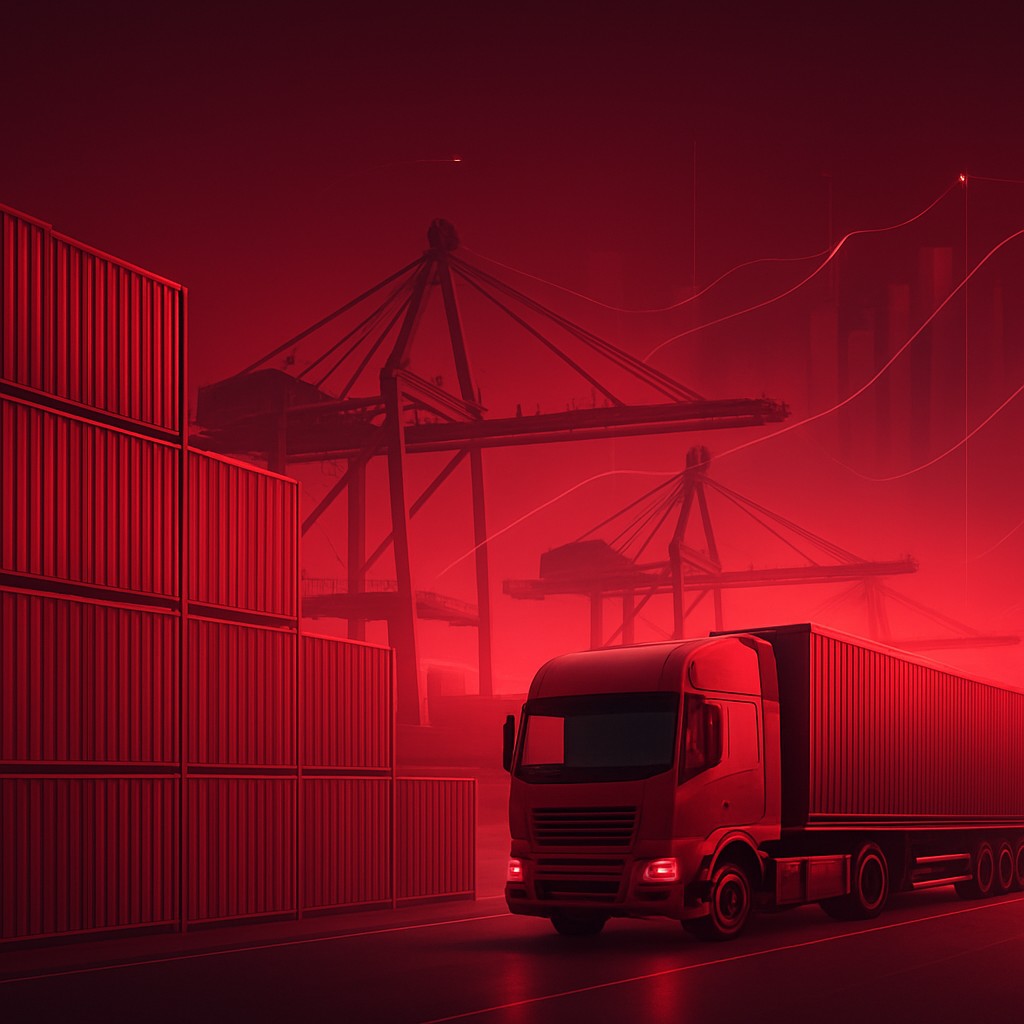
The Netherlands as Europe's Freight Gateway
The Netherlands occupies a strategically vital position in global trade, serving as a primary gateway for goods entering and leaving Europe. Anchored by the Port of Rotterdam, the largest seaport on the continent, and Amsterdam Airport Schiphol, a major air cargo hub, the country has built a freight industry of remarkable scale and sophistication. Its dense network of motorways, rivers, canals, and rail links enables the efficient movement of cargo across the continent and beyond.
This logistics strength is no accident. Centuries of trading heritage, combined with significant investment in infrastructure and technology, have made the Netherlands a preferred base for freight and supply chain operations. Companies operating here benefit from world-class connectivity, skilled labor, and a business environment that supports international commerce.
Leading Freight Companies
Several global and domestic players dominate the Dutch freight landscape. DHL maintains a substantial presence across air, road, and contract logistics, offering comprehensive freight forwarding and express services backed by an extensive international network. DSV, following its expansion through major acquisitions, is a leading provider of road, air, and sea freight solutions with strong operations in the Netherlands.
Kuehne and Nagel is renowned for its sea and air freight expertise, leveraging Rotterdam and Schiphol to deliver integrated global logistics. DB Schenker provides a full spectrum of land, air, and ocean freight services, supported by advanced supply chain management capabilities. These multinational forwarders form the core of the country's international cargo operations.
Domestic and regional specialists also play crucial roles. Royal Wagenborg is a respected Dutch company with deep expertise in shipping and maritime logistics, while Vos Logistics offers extensive road freight and transport solutions across Europe. Jan de Rijk Logistics is well known for its air cargo road feeder services and pan-European trucking, connecting major airports and distribution centers.
For specialized and project cargo, Mammoet stands out globally for heavy lifting and oversized transport, handling some of the most complex freight challenges in the world. CEVA Logistics delivers integrated freight management and contract logistics, and Broekman Logistics, headquartered in Rotterdam, provides forwarding, warehousing, and specialized cargo handling. Together these companies illustrate the breadth and depth of Dutch freight expertise.
Modes of Freight Transport
The Netherlands excels across all major freight modes. Sea freight dominates through the Port of Rotterdam, which handles vast volumes of containers, bulk goods, and petrochemicals, serving as a crucial link in global supply chains. Inland waterways extend this reach, with barges carrying cargo efficiently along the Rhine and other rivers deep into the European interior.
Air freight centers on Schiphol, a leading cargo airport that connects the Netherlands to markets worldwide, particularly for high-value and time-sensitive goods. Road freight remains essential for last-mile and cross-border deliveries, supported by an excellent motorway network. Rail freight, increasingly important for sustainable logistics, links the country to industrial regions across Europe and even to Asia via long-distance corridors.
Technology and Innovation
Innovation is a defining feature of the Dutch freight sector. Leading companies invest heavily in digital platforms, real-time tracking, automated warehousing, and data analytics to optimize routes, reduce costs, and improve transparency. Smart logistics solutions enhance efficiency and give clients greater visibility over their shipments throughout the supply chain.
Sustainability is also driving change. Operators are adopting cleaner vehicles, exploring alternative fuels, and shifting cargo from road to rail and inland waterways to reduce emissions. The Port of Rotterdam and major freight firms are actively pursuing decarbonization initiatives, positioning the Netherlands as a leader in green logistics.
Industries Served by Dutch Freight Providers
The breadth of the Dutch freight sector is reflected in the diversity of industries it supports. The country's strong agricultural and horticultural exports, including flowers, bulbs, and fresh produce, rely on fast, temperature-controlled freight that can reach international markets within hours. The chemical and petrochemical industries clustered around Rotterdam depend on specialized bulk and hazardous goods handling, while the high-tech and electronics sectors require secure, time-critical air freight through Schiphol. Retail and e-commerce businesses lean on efficient distribution and parcel networks to meet rising consumer expectations for rapid delivery. Pharmaceutical and life sciences companies, meanwhile, demand rigorously controlled cold-chain logistics. This versatility allows Dutch freight providers to serve as trusted partners across virtually every sector of the modern economy.
Choosing the Right Freight Partner
Selecting a freight provider depends on the nature of the cargo, destinations, and service requirements. Businesses shipping internationally may prioritize forwarders with strong global networks and customs expertise, while those moving specialized or oversized loads require operators with the right equipment and experience. Reliability, transparency, and customer service remain decisive factors across all categories.
It is also important to consider a provider's technological capabilities, sustainability commitments, and ability to scale with business needs. The most effective freight partners act as strategic collaborators, helping clients streamline supply chains and adapt to evolving market demands.
Final Thoughts
The freight companies highlighted here underscore the Netherlands' status as a global logistics powerhouse. With unrivaled infrastructure, world-class ports and airports, and a culture of innovation, the country offers freight solutions of exceptional quality and reach. Whether moving containers through Rotterdam, air cargo through Schiphol, or specialized loads across Europe, these providers ensure that goods flow smoothly, efficiently, and sustainably across the continent and around the world.
