
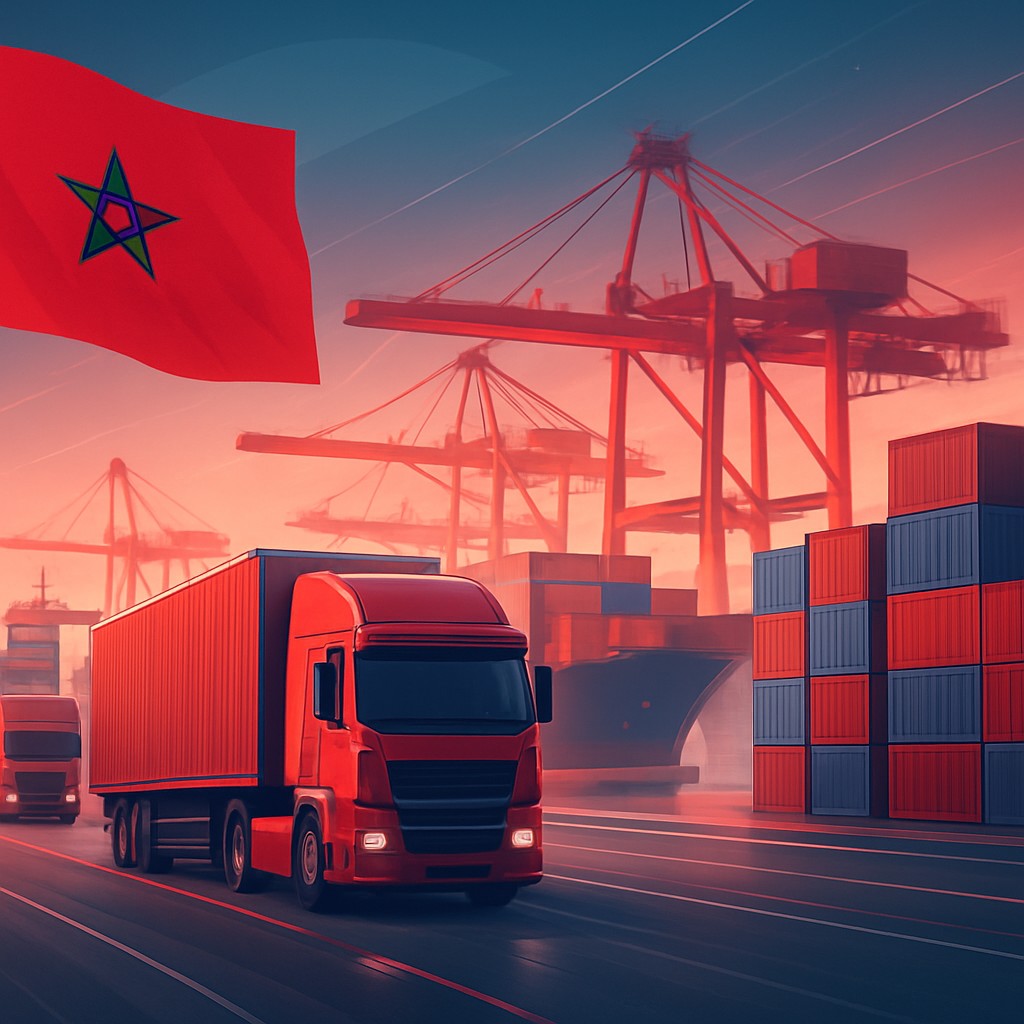
Freight at the Center of Morocco's Economy
Morocco's strategic location at the crossroads of Europe and Africa has made it a key hub for trade and freight transport. With expanding ports, modern highways, and growing industrial zones, the kingdom has developed a robust freight sector that supports its export-driven economy. From agricultural produce and textiles to automotive components and phosphates, the movement of goods relies on a network of capable freight companies.
These providers handle road, sea, and air cargo, connecting Moroccan businesses to domestic markets and international destinations with increasing efficiency.
The Role of Freight Companies
Freight companies are responsible for the safe, timely, and cost-effective transport of goods. Their services span a wide spectrum, including full truckload and less-than-truckload road freight, container shipping, air cargo, and specialized transport for oversized or temperature-sensitive goods. Many also offer customs clearance, warehousing, and door-to-door delivery, providing integrated solutions for shippers.
By managing complex logistics, these companies enable manufacturers, exporters, and retailers to focus on their core operations while ensuring their products reach customers reliably.
Morocco's Freight Infrastructure
The country's freight capabilities are underpinned by impressive infrastructure. The Tanger Med port complex ranks among the largest in Africa and the Mediterranean, serving as a major gateway for container traffic and transshipment. Casablanca's port and others along the coast handle significant volumes of bulk and general cargo.
An expanding motorway network links industrial centers, ports, and border crossings, facilitating efficient road freight. Air cargo operations through major airports support time-sensitive shipments, while ongoing investment in logistics zones enhances the overall efficiency of the supply chain.
Qualities of a Reliable Freight Provider
The best freight companies in Morocco are defined by reliability, transparency, and a strong commitment to safety. Dependable providers offer accurate transit times, careful handling of goods, and clear communication throughout the shipping process. A modern, well-maintained fleet and adherence to safety and regulatory standards are essential indicators of quality.
Customer service also plays a crucial role, with leading firms offering responsive support, tracking capabilities, and tailored solutions for different industries. Expertise in customs procedures and international regulations is particularly valuable for exporters and importers navigating cross-border trade.
International and Domestic Operators
Morocco's freight market includes global logistics leaders such as DHL, DB Schenker, and Maersk, which offer extensive international networks and sophisticated supply chain services. These companies are well suited to businesses with complex, cross-border shipping needs and high service expectations.
Alongside them, established national and regional operators provide strong domestic coverage and competitive rates, often with deep knowledge of local routes and industries. Many of these companies specialize in particular sectors, such as agriculture, automotive, or retail distribution, delivering targeted expertise and flexibility.
Trends Shaping the Sector
The Moroccan freight industry is evolving rapidly, driven by digitalization, sustainability, and rising trade volumes. Technology is improving shipment tracking, route optimization, and supply chain visibility, while investment in cleaner fleets and energy-efficient logistics reflects growing environmental awareness. The kingdom's expanding role in regional trade and its free trade agreements continue to fuel demand for capable freight services.
Conclusion
Freight companies are vital engines of Morocco's economic growth, ensuring that goods move smoothly across the country and beyond. Backed by world-class ports, modern highways, and a competitive mix of international and local operators, the sector offers reliable solutions for businesses of every size. Choosing a freight partner with proven reliability, strong infrastructure, and industry expertise is key to a resilient and efficient supply chain.
