
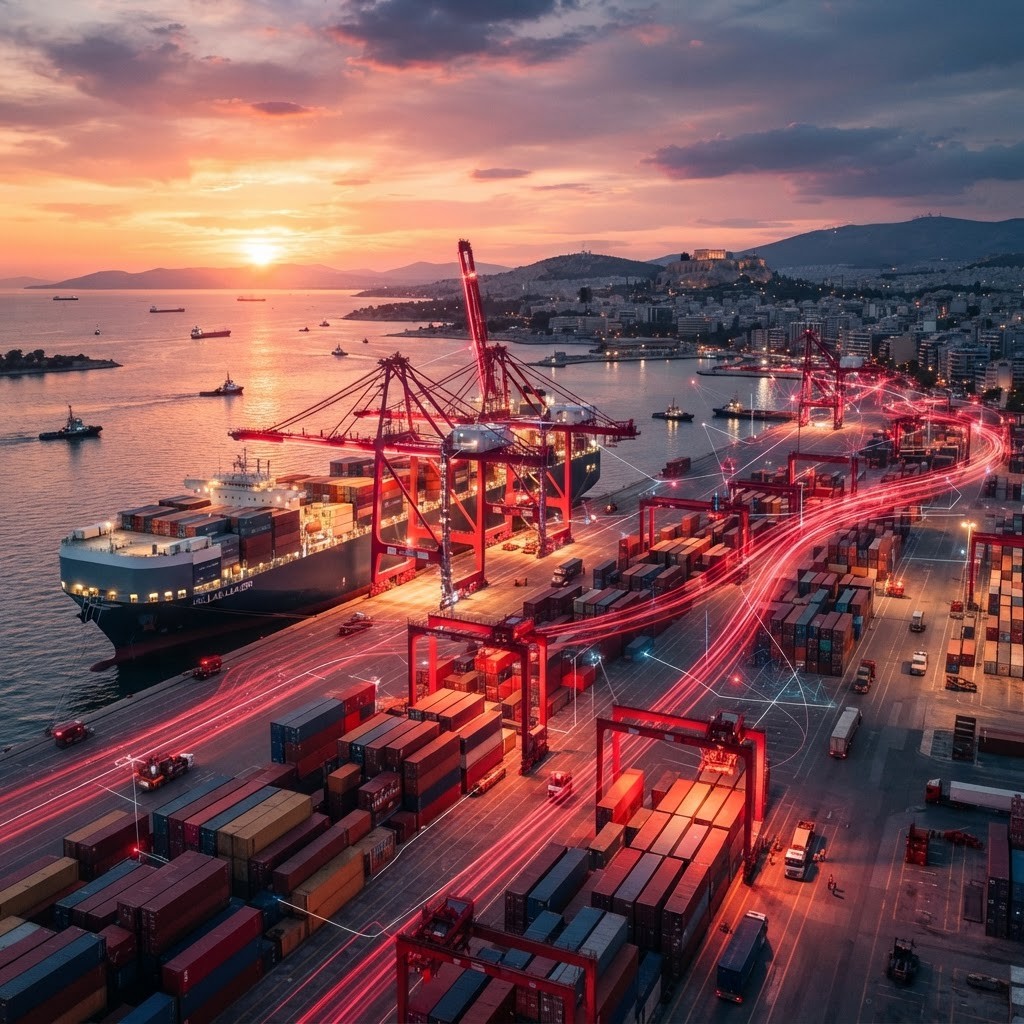
Greece as a Strategic Freight Gateway
Positioned at the crossroads of Europe, Asia, and Africa, Greece has long been a pivotal player in global trade. Its extensive coastline, major ports, and proximity to key shipping lanes make it a natural hub for freight movement. From the bustling Port of Piraeus, one of the largest in the Mediterranean, to regional gateways and inland distribution centers, Greece's freight industry underpins both domestic commerce and international trade.
Freight companies in Greece handle an enormous range of cargo, from containerized goods and bulk commodities to perishables, vehicles, and specialized shipments. Understanding the sector helps businesses choose reliable partners for importing, exporting, and distributing goods efficiently.
Maritime Freight and Port Operations
Greece's maritime tradition is world-renowned, and shipping remains central to its freight economy. The Port of Piraeus, operated in part by major international investment, serves as a critical container and transshipment hub linking Asia and Europe. Its scale and connectivity make it indispensable to regional supply chains.
The Port of Thessaloniki is another key gateway, particularly for trade with the Balkans and Southeastern Europe. These ports host numerous freight forwarders, shipping agents, and logistics providers that coordinate the movement of goods by sea. Greek-owned shipping remains among the largest merchant fleets in the world, reflecting the nation's deep expertise in maritime freight.
International Freight Forwarders
Global freight and logistics leaders such as DHL, DB Schenker, Kuehne+Nagel, and DSV operate in Greece, offering comprehensive air, sea, and road freight services. These companies bring international networks, advanced tracking technology, and integrated supply chain solutions to Greek importers and exporters.
Their strengths lie in end-to-end coordination, customs expertise, and the ability to handle complex international shipments. For businesses trading across borders, these established forwarders provide reliability, global reach, and compliance support that streamline the entire freight process.
Greek Freight and Shipping Specialists
Alongside international players, Greece is home to respected domestic freight companies and shipping agencies with deep local knowledge. Firms specializing in coastal and inter-island cargo are essential for supplying Greece's many islands with goods, from food and construction materials to vehicles and equipment.
Regional freight forwarders and customs brokers provide tailored services, leveraging their understanding of local regulations, port procedures, and market conditions. Their agility and personalized approach make them valuable partners, particularly for small and medium-sized enterprises.
Types of Freight Services
Freight companies in Greece typically offer a range of services to meet diverse needs. Sea freight is the backbone for high-volume international and inter-island cargo, offering cost-effective transport for containers and bulk goods. Air freight serves time-sensitive and high-value shipments, providing speed and reliability for urgent deliveries.
Road freight connects Greece with the rest of Europe and handles domestic distribution, while customs clearance and warehousing services ensure goods move smoothly through borders and are stored securely. Many providers also offer specialized handling for perishables, hazardous materials, and oversized cargo.
What to Look for in a Freight Partner
Choosing the right freight company depends on several factors. Reliability and a strong track record are paramount, as delays or mishandled cargo can disrupt entire supply chains. Comprehensive service offerings, including customs expertise and multimodal transport, add convenience and efficiency.
Technology plays an increasingly important role, with real-time tracking, digital documentation, and transparent communication becoming standard expectations. Competitive pricing, insurance coverage, and responsive customer service further distinguish leading providers. For international trade, a partner with global connectivity and local expertise offers the best of both worlds.
Industry Trends and Outlook
Greece's freight sector continues to evolve, driven by investment in port infrastructure, digitalization, and sustainability. The modernization of Piraeus and other ports has enhanced capacity and efficiency, strengthening Greece's role as a transshipment hub. Digital platforms are streamlining booking, tracking, and documentation, improving transparency across the supply chain.
Sustainability is also shaping the industry, with growing attention to cleaner fuels, energy-efficient operations, and greener logistics practices. These trends position Greece to remain a competitive and forward-looking freight destination in the years ahead.
The Challenge of Island Freight
One aspect that sets Greek freight apart from most European markets is the sheer complexity of serving hundreds of inhabited islands. Delivering goods to island communities requires careful coordination between mainland ports, coastal shipping schedules, and local distribution, often across long distances and variable sea conditions. Perishable goods, medical supplies, construction materials, and everyday consumer products all depend on this intricate network. Freight companies with expertise in inter-island logistics play an indispensable role in keeping these communities supplied, especially during the busy tourist season when demand surges. Reliable coastal cargo services, well-timed to ferry schedules, ensure that even remote islands receive consistent deliveries. This specialized capability is a defining feature of the Greek freight sector and a key reason why local knowledge and strong maritime partnerships remain so valuable alongside the reach of global forwarders.
Conclusion
Greece's freight industry, anchored by world-class ports and a storied maritime tradition, plays a vital role in regional and global trade. International forwarders like DHL, DB Schenker, and Kuehne+Nagel operate alongside skilled Greek shipping specialists to move goods by sea, air, and road. By choosing a reliable, well-equipped freight partner with strong local and global capabilities, businesses can navigate the complexities of trade and keep their supply chains moving smoothly.
