
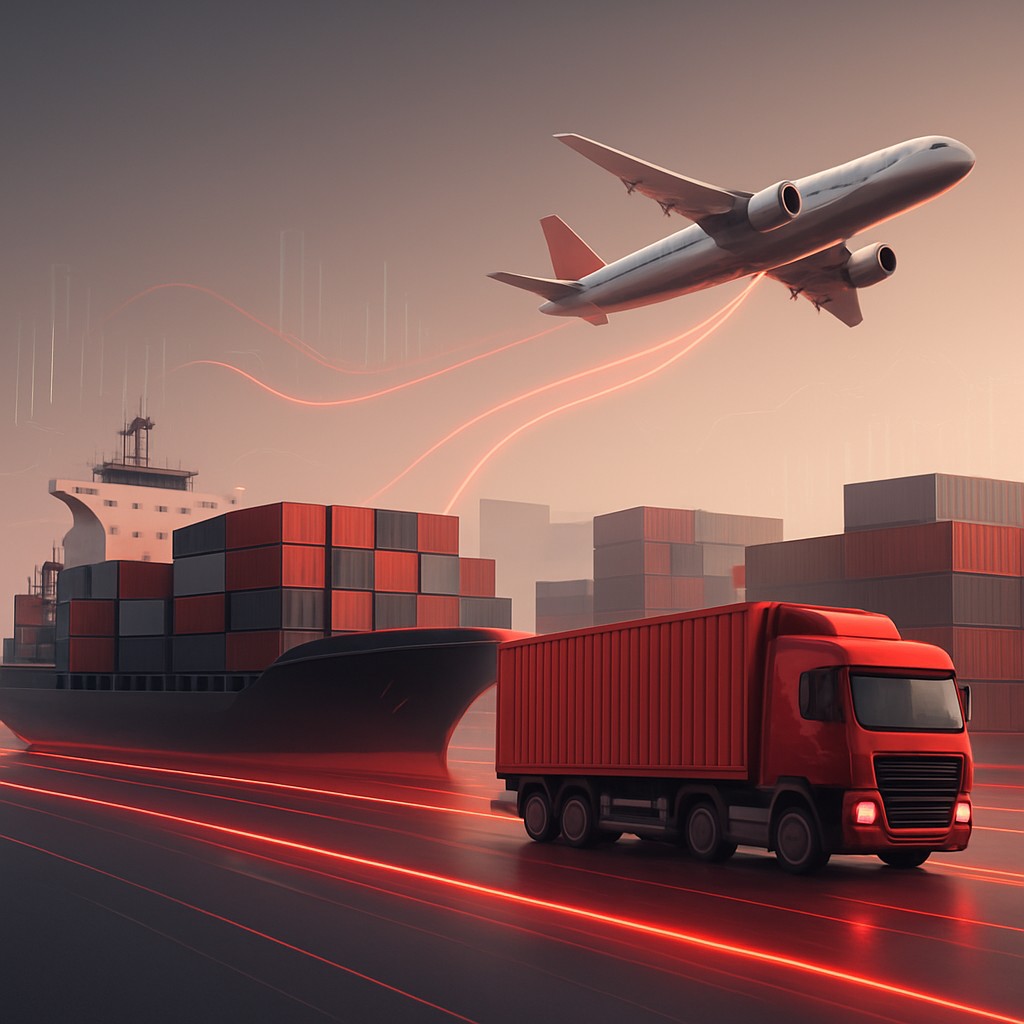
The Backbone of Ecuador's Trade
Freight and logistics companies are vital to Ecuador's economy, supporting a nation that is both a significant exporter and a growing importer. Ecuador is renowned for exporting bananas, shrimp, cacao, flowers and petroleum, while importing machinery, vehicles, electronics and consumer goods. Moving these products efficiently across mountainous terrain, through busy ports and into international markets requires reliable, well-organised freight services.
The country's main port of Guayaquil handles the majority of maritime trade, while airports in Quito and Guayaquil manage air cargo, including time-sensitive exports such as flowers and seafood. A capable network of freight forwarders, trucking companies and integrated logistics providers connects these gateways to producers and businesses nationwide.
What Defines a Strong Freight Provider
Leading freight companies offer reliability, transparent tracking, customs expertise and comprehensive service across modes of transport. For exporters and importers, the ability to handle documentation, manage cold-chain logistics and navigate customs efficiently is critical. Strong international networks, modern fleets and warehousing capabilities further distinguish the best providers.
Ten Leading Freight and Logistics Companies
DHL operates a strong presence in Ecuador, offering international express, air and ocean freight along with logistics solutions backed by a global network.
FedEx provides reliable international shipping and express services, valued for speed and dependable tracking for time-sensitive cargo.
Maersk is a major player in maritime freight, handling container shipping through Ecuador's ports and supporting the country's substantial export trade.
Kuehne + Nagel offers comprehensive freight forwarding across sea, air and land, appreciated for its expertise in complex logistics and supply chains.
DB Schenker delivers integrated logistics, freight forwarding and contract logistics with a strong international footprint.
Panalpina heritage operations continue to support air and ocean freight forwarding within the broader global logistics landscape.
Transoceanica is an established local logistics group with deep experience in Ecuadorian shipping, port operations and freight services.
Torres & Torres logistics provides customs brokerage and freight forwarding, valued for its knowledge of local regulations and trade procedures.
Ecuadorian trucking and ground-freight specialists handle domestic distribution, connecting ports and airports to producers and markets across challenging terrain.
Integrated cold-chain logistics providers round out the list, specialising in refrigerated transport essential for shrimp, flowers and perishable exports.
Key Freight Modes in Ecuador
Maritime freight dominates Ecuador's international trade, with Guayaquil serving as the primary gateway for containerised cargo and bulk exports. Air freight is essential for perishable, high-value goods such as cut flowers and seafood, where speed preserves quality. Domestically, road freight connects ports, airports and production regions, navigating the country's mountainous geography to ensure goods reach their destinations.
The Importance of Customs and Cold Chain
Efficient customs clearance is crucial for both imports and exports, and experienced freight forwarders add significant value by managing documentation and compliance. For Ecuador's perishable exports, cold-chain logistics are indispensable, maintaining precise temperatures from farm to international market. Companies that excel in these areas help producers remain competitive globally.
Trends in Logistics
The freight sector is embracing digital tracking, supply-chain visibility tools and greater integration across transport modes. Sustainability is gaining attention, with efforts to improve efficiency and reduce emissions. Investment in port infrastructure and warehousing continues to strengthen Ecuador's logistics capabilities as trade volumes grow.
Supporting Ecuador's Key Export Industries
Ecuador's standing as a leading exporter of bananas, shrimp, cacao and cut flowers places unique demands on its freight sector. Flowers and seafood are highly perishable and depend on rapid, temperature-controlled air freight to reach distant markets in peak condition, while bananas and cacao move in large volumes through maritime channels. Logistics providers that understand the specific handling, packaging and timing requirements of these products give exporters a vital competitive edge, helping Ecuadorian goods maintain their reputation for quality on the world stage.
For importers, efficient freight services ensure that machinery, vehicles, electronics and consumer goods arrive reliably and clear customs without unnecessary delay, supporting businesses and consumers across the country.
Choosing the Right Logistics Partner
Selecting a freight provider depends on the nature of the cargo, the destination and the level of service required. Businesses shipping perishable exports should prioritise companies with proven cold-chain expertise and strong air-freight networks, while those moving bulk goods benefit from established maritime carriers and port relationships. Customs brokerage capability, real-time tracking, warehousing options and responsive customer support are all important considerations. A provider with both global reach and local knowledge of Ecuadorian ports, airports and regulations offers the most dependable foundation for international trade.
Final Thoughts
Freight companies form the unseen backbone of Ecuador's trade, enabling the export of its famous products and the import of essential goods. The providers featured here represent the strength and breadth of the country's logistics sector, from global integrators to specialised local experts. For businesses engaged in trade, partnering with a reliable freight company with strong customs and cold-chain expertise is key to success in Ecuador's dynamic economy.
