
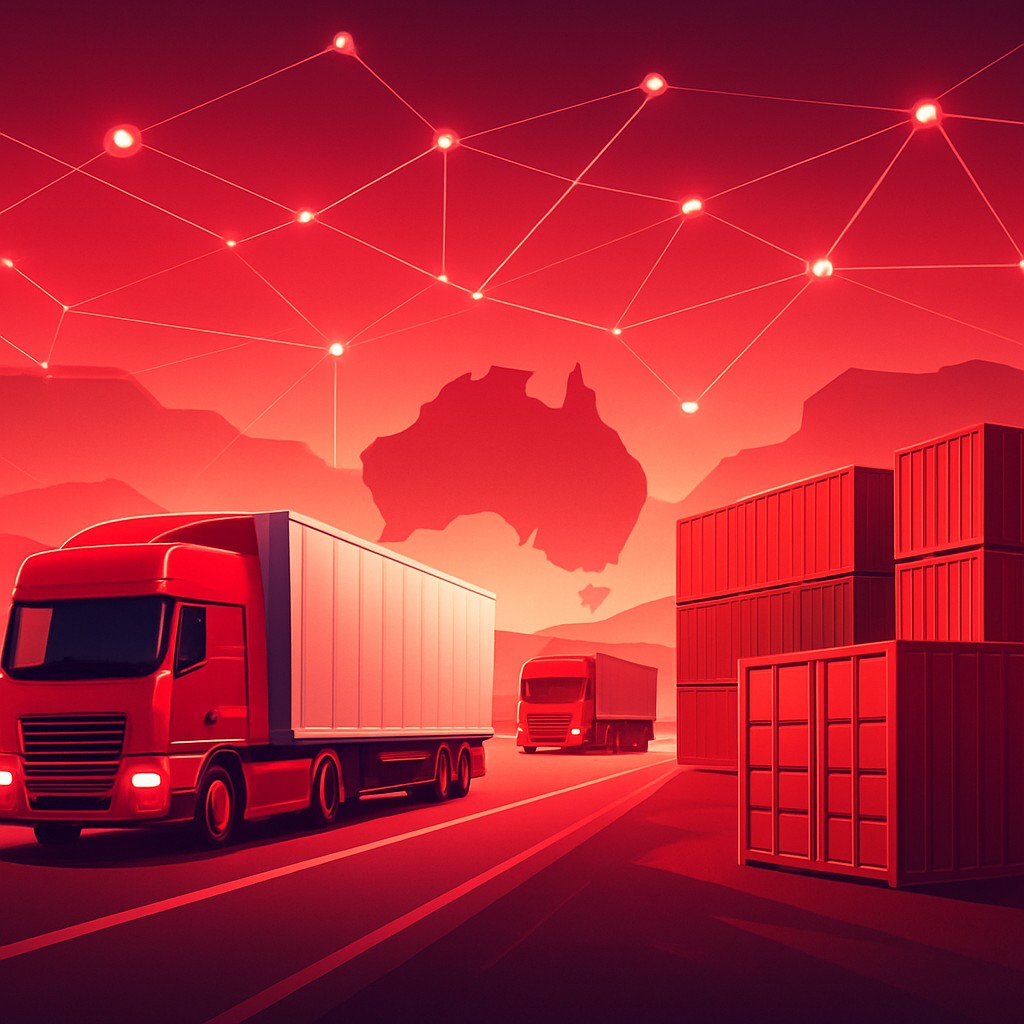
The Engine of Australian Commerce
Freight is the lifeblood of the Australian economy, moving everything from fresh produce and retail goods to mining equipment and manufactured products across one of the world's largest and most sparsely populated landmasses. The country's enormous distances and dispersed population centres make efficient freight services absolutely essential. Whether goods travel by road, rail, sea, or air, freight companies ensure that supply chains remain connected, businesses stay stocked, and consumers receive their orders reliably. The sector is vast, sophisticated, and increasingly driven by technology and sustainability.
What Makes a Freight Company Stand Out
The best freight companies combine extensive network coverage with reliability, transparency, and advanced logistics technology. Customers value on-time delivery, real-time tracking, and clear communication throughout the shipping process. Safety, regulatory compliance, and well-maintained fleets are non-negotiable, particularly for heavy and specialised freight. Scalability also matters, as businesses need partners who can handle fluctuating volumes and complex requirements. Leading providers offer integrated services spanning road, rail, and intermodal solutions, supported by strong customer service and competitive pricing.
The Top 10 Freight Companies
Toll Group is one of Australia's largest and most comprehensive freight and logistics providers, with extensive road, rail, and intermodal capabilities. Linfox is a respected family-owned company renowned for its supply chain expertise and large, well-managed fleet. Australia Post, through its parcel and freight arms, delivers nationwide coverage that reaches even the most remote communities.
StarTrack specialises in road and air express freight, valued for reliable parcel and pallet delivery across the country. TNT Australia offers strong express freight services with robust tracking and time-definite delivery options. Followmont Transport is a leading regional operator known for exceptional service across Queensland and the eastern states.
Border Express provides dependable national freight services with a focus on technology and customer support. Direct Freight Express is recognised for efficient parcel and pallet distribution along major corridors. Allied Express serves businesses with same-day and overnight courier and freight solutions. Completing the list, Cement Australia Logistics and bulk specialists demonstrate the importance of dedicated heavy and specialised freight operators within the broader sector.
Modes of Freight Transport
Australia's freight industry relies on a blend of transport modes. Road freight dominates short and medium-haul deliveries, offering flexibility and door-to-door service. Rail freight excels at moving large volumes over long distances, particularly bulk commodities such as minerals and grain, with strong environmental and cost advantages. Intermodal solutions combine road and rail to optimise efficiency, while coastal shipping and air freight handle specific needs for bulky or time-critical cargo. The most capable companies seamlessly integrate these modes to deliver end-to-end solutions.
Technology Transforming Freight
Digital innovation is reshaping the freight landscape. Real-time GPS tracking, automated warehousing, and advanced route optimisation software improve efficiency and transparency. Telematics monitor vehicle performance and driver safety, while data analytics help companies forecast demand and reduce empty running. Electronic proof of delivery and integrated customer portals enhance the user experience. Emerging technologies such as autonomous vehicles and electric trucks are beginning to influence the industry, promising further gains in efficiency and sustainability.
Sustainability and Industry Trends
Environmental responsibility has become a major priority across Australian freight. Companies are investing in fuel-efficient and electric vehicles, optimising loads to reduce emissions, and exploring rail to lower the carbon footprint of long-haul movements. The growth of e-commerce has dramatically increased parcel volumes, driving demand for faster last-mile delivery and smarter distribution networks. Labour considerations, fuel costs, and infrastructure investment continue to shape strategic decisions across the sector.
Choosing the Right Freight Partner
Selecting a freight provider depends on the nature of your goods, delivery timeframes, and geographic requirements. Businesses shipping time-sensitive parcels may prioritise express operators with strong tracking, while those moving bulk goods over long distances benefit from rail-integrated providers. Evaluate network coverage, technology capabilities, pricing structures, and service reliability. Strong customer support and a proven track record in your industry add significant value to a long-term partnership.
Challenges Facing the Freight Sector
Despite its strength, the Australian freight industry faces ongoing challenges that shape how companies operate. The country's vast distances and dispersed population make some routes costly and logistically demanding. Driver shortages and an ageing workforce place pressure on capacity, prompting investment in training and improved working conditions. Rising fuel prices and infrastructure constraints, including congestion and road and rail capacity limits, affect efficiency and cost. Regulatory compliance, safety obligations, and the need to reduce emissions add further complexity. The most resilient operators address these challenges through technology, network optimisation, and strategic investment, ensuring they can continue to deliver reliable service even as conditions evolve across the national supply chain.
Conclusion
Freight companies underpin the Australian economy, ensuring goods move efficiently across vast distances and complex supply chains. Industry leaders such as Toll Group, Linfox, and Australia Post offer comprehensive national capabilities, while specialists like Followmont Transport and Direct Freight Express deliver focused regional excellence. As the sector embraces technology and sustainability, choosing a reliable, well-equipped freight partner remains a critical decision for businesses seeking to thrive in a competitive marketplace.
