
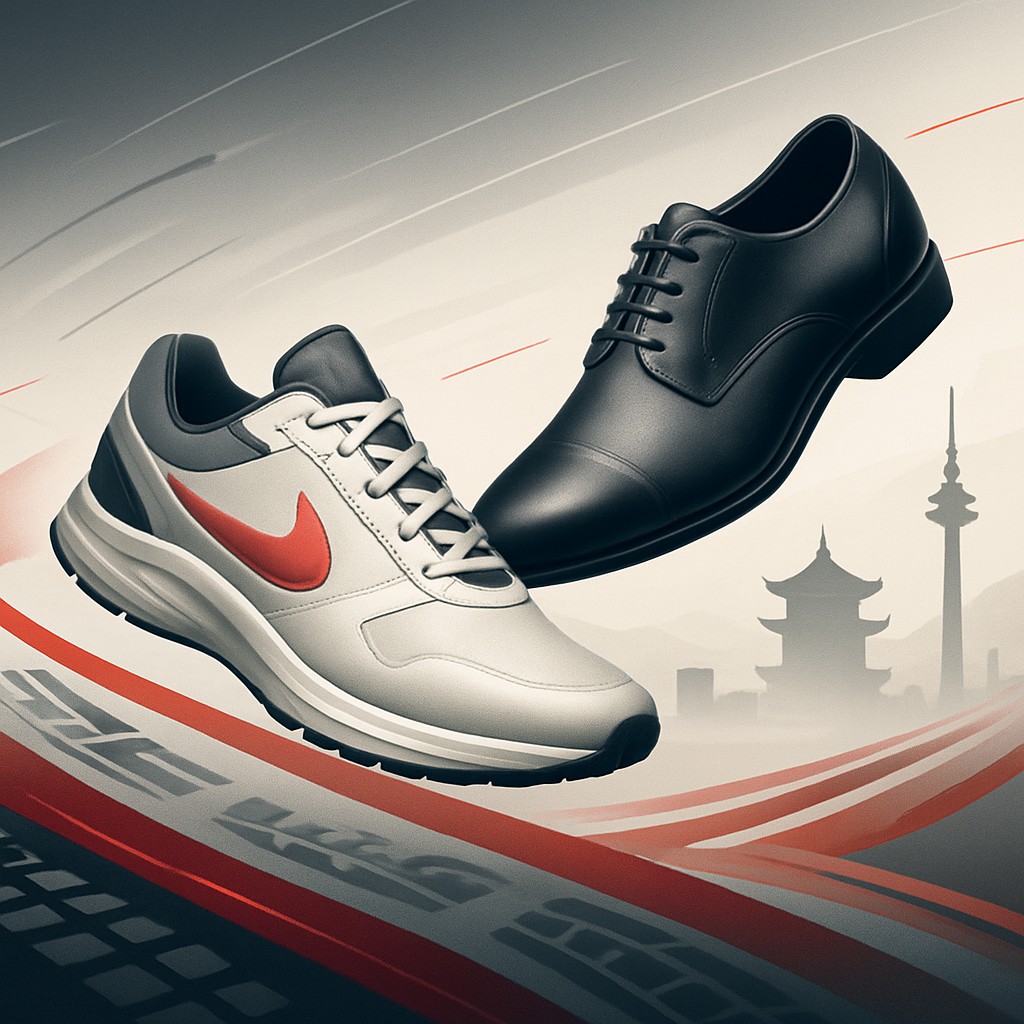
Inside North Korea's Footwear Industry
Footwear production in North Korea is an important part of the country's light industry, driven largely by state-owned factories and domestic brands designed to meet local demand. With limited engagement in international markets, the country has prioritised developing its own shoe manufacturing capacity, producing everything from everyday footwear and work shoes to sports shoes and school footwear. State media frequently highlights footwear factories as examples of domestic industrial progress and self-reliance.
The brands and enterprises in this sector are generally linked to specific factories and production centres rather than commercial fashion labels. Below are ten notable footwear brands and manufacturers associated with North Korea's domestic shoe industry, illustrating the structure and focus of this area of light manufacturing.
Leading Footwear Manufacturers
Ryuwon Footwear Factory is one of the most prominent names in North Korean footwear, frequently featured in official accounts and known for producing sports shoes and everyday footwear with an emphasis on improving quality.
Wonsan Leather Shoes is associated with the coastal city of Wonsan and is recognised for leather footwear production aimed at the domestic market.
Pyongyang Shoes represents the capital's shoe manufacturing output, producing a range of footwear for daily wear and work use.
Sinuiju Shoe Factory reflects the light-industry base in the border city of Sinuiju, contributing to the country's overall footwear supply.
Sports and Everyday Footwear Producers
Ryuwon Sports is connected to athletic footwear production, reflecting the country's interest in promoting locally made sports shoes for both general use and physical activity.
Mae is a domestic footwear label associated with everyday shoes produced for the local population.
Pyongyang Children's Footwear focuses on shoes for children and students, including durable footwear suited to school and daily wear.
Ragwon Footwear is linked to general shoe manufacturing, supporting the supply of footwear across the domestic market.
Specialised and Emerging Brands
Arirang Footwear carries a name of national significance and represents locally produced shoes promoted as part of the country's industrial identity.
Chongchun rounds out the list as a footwear label associated with domestic production, reflecting ongoing efforts to expand recognisable local brand names within the shoe industry.
As with other areas of North Korean manufacturing, the footwear industry operates within a centrally planned system. Brands are closely tied to state factories, and production, design, and distribution are guided by domestic priorities rather than competitive consumer markets. Much of the available information comes from official sources and observations of domestic industrial activity.
Trends and Industry Context
In recent years, North Korean state media has placed considerable emphasis on improving the quality, durability, and design of domestically produced footwear. Factories such as Ryuwon have been highlighted as models of modernisation, with reports describing upgraded equipment, new production lines, and efforts to produce footwear comparable to imported alternatives. Sports footwear in particular has received attention, aligning with the country's interest in physical fitness and athletics.
Everyday shoes, work footwear, and student shoes make up the core of practical production, while leather footwear is associated with more formal or durable use. The broader goal expressed through official channels is greater self-reliance, reducing dependence on imports by strengthening domestic light industry. Because the sector is largely closed to outside markets, footwear brands function primarily within the domestic economy.
Conclusion
The footwear brands and manufacturers featured here illustrate the structure of North Korea's domestic shoe industry, which is built around state factories and locally produced goods. While very different from commercial footwear markets elsewhere, this sector plays a meaningful role in meeting everyday needs and supporting the country's emphasis on self-reliance. Examining it provides valuable insight into how footwear is manufactured, branded, and valued within North Korea's distinctive economic framework.
