
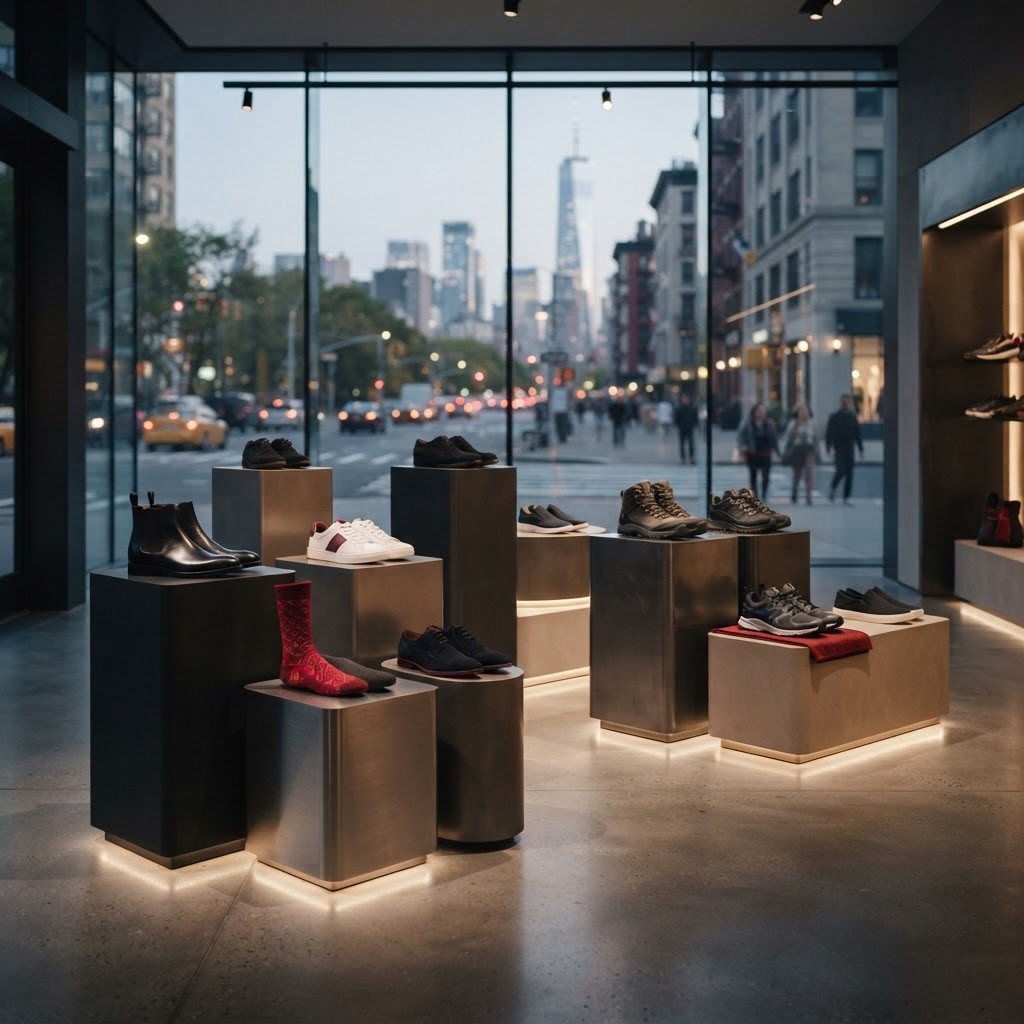
Finding the Best Options in New York
Footwear matters more in New York than in many cities because walking is part of everyday life. A good pair must survive subway stairs, uneven pavement, sudden rain, and hours on the move while still fitting the wearer’s personal style.
The market is shifting toward cushioned construction, lighter materials, repairable classics, and shoes that cross traditional categories. Performance sneakers now appear in offices, while heritage boots and loafers are being redesigned with flexible soles and softer footbeds.
What Makes a Brand or Store Stand Out
Quality is only one part of a useful recommendation. Selection, consistency, service, value, product knowledge, and relevance to New York life all matter. A premium name may justify its price through materials and aftercare, while an accessible brand may stand out by making good design available to more people. The following list is not a rigid ranking; it is a practical guide to ten established choices with different strengths.
1. Nike
Nike offers one of the broadest selections for running, training, basketball, and streetwear. Its technical cushioning and frequent design updates make it useful for both dedicated athletes and commuters who prioritize all-day comfort.
2. Adidas
Adidas balances performance technology with influential lifestyle silhouettes. Runners can find specialized support, while classic low-profile sneakers work well with the relaxed tailoring common across New York.
3. New Balance
New Balance has earned loyalty for supportive running shoes, multiple width options, and understated lifestyle models. The combination of comfort and versatile styling is particularly practical for long urban days.
4. Timberland
Timberland boots have a deep connection to New York street style. Rugged construction, traction, and weather-conscious materials make many models suitable for colder months and demanding daily wear.
5. Cole Haan
Cole Haan blends traditional dress-shoe shapes with lighter, more flexible cushioning. Its loafers, oxfords, and sneakers are strong options for professionals who walk between meetings rather than relying on a car.
6. Stuart Weitzman
Stuart Weitzman is recognized for elegant boots, sandals, and occasion shoes with careful attention to proportion. The brand appeals to shoppers seeking refined designs that remain relatively versatile.
7. Sam Edelman
Sam Edelman delivers trend-aware boots, flats, heels, and casual shoes at an approachable contemporary price. Collections typically include practical interpretations of current runway directions.
8. Steve Madden
Rooted in the New York area, Steve Madden responds quickly to changing fashion. Its wide selection is valuable for shoppers who want statement footwear or seasonal silhouettes without an investment-level commitment.
9. Vans
Vans provides durable casual sneakers with a strong connection to skate and creative culture. Simple profiles, dependable rubber soles, and easy styling make the brand a familiar downtown choice.
10. Allbirds
Allbirds focuses on lightweight comfort and lower-impact materials such as wool and plant-derived fibers. Its minimal shoes suit travel, casual offices, and low-key neighborhood walking.
How to Choose the Right Option
Fit should guide the final decision. Shop later in the day when feet may be slightly expanded, test shoes with the socks normally worn, and consider traction as seriously as appearance. Rotating between supportive pairs can extend shoe life and reduce fatigue, a sensible strategy in a city where a short errand can easily become several miles of walking.
Shopping Smarter in New York
Inventory and service can differ by location, so it is worth confirming that a shop carries the category, size, model, or service needed before making a special trip. Compare total value rather than price alone, including durability, maintenance, warranty support, alterations, delivery, or returns where relevant. New York offers exceptional choice, but a focused list and a clear budget make that choice easier to navigate.
Seasonality also matters. New collections and limited releases can create excitement, while end-of-season periods may offer better value. Whenever possible, inspect materials and construction in person, ask specific questions, and avoid feeling pressured by scarcity. The best purchase is one that remains useful after the novelty of the shopping experience fades.
Understanding Value Beyond the Price Tag
New York shoppers encounter everything from entry-level essentials to rare luxury products, and a higher price does not automatically guarantee a better personal fit. Value comes from the relationship between cost, frequency of use, construction, comfort, and support after purchase. A product used weekly for years may be more economical than an inexpensive alternative replaced several times. Conversely, occasional users may reasonably prefer a simpler option that performs the core task well.
Look closely at the details that reveal care: secure seams and fastenings, consistent finishing, sensible materials, clear instructions, and staff who can explain differences without relying on vague claims. Ask what maintenance is required and whether replacement parts, repairs, refills, or specialist services are available. These questions are especially important in New York, where storage is limited and disposing of a disappointing purchase can be inconvenient. Thoughtful comparison also reduces impulse buying. Take notes or photographs where permitted, step away when uncertain, and evaluate the choice against what is already owned. A strong brand earns trust through consistent experience rather than a single impressive display.
Why Local Context Matters
New York’s density creates unusually demanding conditions and unusually broad choice. Weather, walking, apartment dimensions, neighborhood access, and crowded public transportation can all influence whether a purchase succeeds in daily life. Recommendations should therefore be treated as a starting point. The most satisfying option will combine the reputation of the business with the buyer’s own priorities, routines, and practical constraints.
