
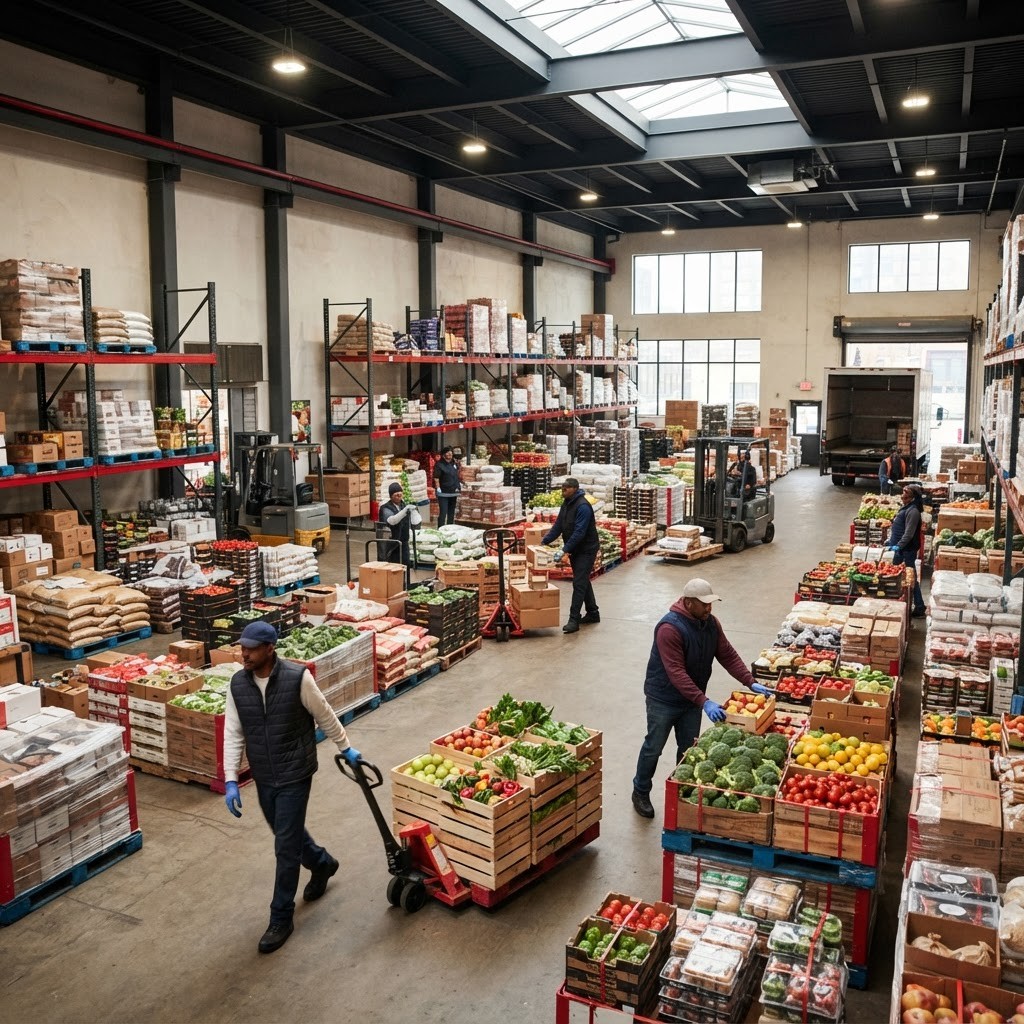
Supplying One of the World's Great Food Cities
New York's food businesses operate at extraordinary scale and variety. A neighborhood café may need several deliveries each week, while a hotel, hospital, or university requires rigorous specifications, traceability, and scheduled receiving. Restaurants must balance ingredient quality with labor and food costs, and independent grocers compete by offering freshness and products tailored to their communities.
The wholesalers below represent broadline distribution and important specialty categories. The best choice depends on cuisine, volume, delivery frequency, credit needs, and the level of product guidance required.
1. Baldor Specialty Foods
Bronx-based Baldor is one of New York's most respected food distributors. It began with produce and now carries meat, dairy, grocery, bakery, and specialty products for restaurants, hotels, institutions, and retailers. Chefs value the depth of its produce selection, including seasonal, local, and specialty items. Strong logistics and product information support kitchens that need both quality and consistency.
2. Chef's Warehouse
The Chef's Warehouse serves leading restaurants, pastry kitchens, hotels, and specialty retailers with premium ingredients. Its catalog covers oils, vinegars, cheese, charcuterie, chocolate, baking products, pantry goods, and proteins. The company differentiates itself through culinary expertise and access to artisan producers, making it useful for chefs whose menus depend on distinctive specifications.
3. Sysco Metro New York
Sysco is a broadline distributor capable of supplying nearly every part of a food-service operation, from proteins and produce to disposables and cleaning products. Its New York operation supports restaurants, healthcare, education, hospitality, and institutional dining. Scale brings extensive product choice, menu resources, and standardized programs for businesses with multiple locations.
4. Restaurant Depot
Restaurant Depot's warehouse model is popular with independent restaurants, caterers, food trucks, and small retailers. Members can purchase produce, meat, seafood, dairy, dry goods, equipment, and disposables in commercial quantities. Same-day access is a major advantage when demand exceeds forecasts or a delivery is missed, though buyers need transportation and staff time for pickup.
5. Hunts Point Produce Market
The Hunts Point Produce Market is not a single wholesaler but an essential collection of produce merchants serving the entire metropolitan region. Buyers gain access to immense volume, broad variety, and pricing shaped by daily supply conditions. Experienced purchasing is important because grades, pack styles, origins, and ripeness vary. For high-volume grocers and food-service distributors, Hunts Point remains a foundational source.
6. Fulton Fish Market
The New Fulton Fish Market at Hunts Point brings together seafood wholesalers supplying restaurants, markets, and institutions. Its merchants handle domestic and imported finfish, shellfish, and specialty seafood. Knowledgeable buyers look beyond species and price to harvest method, size, freshness, yield, seasonality, and certification. The market's variety is difficult to match.
7. Ace Endico
Ace Endico is a New York-based distributor with particular strength in Italian and Mediterranean foods, cheese, charcuterie, grocery products, and food-service staples. It serves restaurants, pizzerias, markets, and hospitality customers. Category knowledge and a curated specialty selection help operators maintain authenticity while consolidating routine purchases.
8. Jetro Cash & Carry
Jetro provides cash-and-carry wholesale food and supplies to independent grocers, restaurants, and community food businesses. New York customers use its locations for packaged groceries, beverages, produce, meat, frozen items, and operating supplies. The model offers purchasing flexibility and is especially relevant to small businesses that cannot always meet large delivered-order minimums.
9. Riviera Produce
Riviera Produce distributes fresh produce and specialty ingredients to restaurants and hospitality businesses in the New York area. It is known for chef-focused service, quality selection, and responsiveness. Specialty produce suppliers can help kitchens source unusual herbs, mushrooms, microgreens, and seasonal products while offering alternatives when a requested item is unavailable.
10. Driscoll Foods
Driscoll Foods is a family-owned regional broadline distributor serving New York and neighboring areas. Its portfolio includes center-of-plate products, produce, dairy, grocery, frozen foods, disposables, and chemicals. Independent operators often value regional distributors for accessible account service and flexibility alongside broad product coverage.
Choosing a Food Wholesale Partner
Food safety and reliability should lead the evaluation. Ask about cold-chain controls, recall communication, lot traceability, allergen data, substitutions, and receiving dispute procedures. Review cutoff times, minimum orders, delivery windows, fuel surcharges, and split-case availability. A low case price may not be economical if pack sizes increase spoilage or the product delivers poor usable yield.
Restaurants should compare specifications through controlled tests. Evaluate cooked yield, trim, consistency, labor required, and guest experience. For produce and seafood, communicate intended use and ripeness needs clearly. Strong sales representatives can suggest seasonal alternatives that protect quality and margin.
Food Distribution Trends in New York
Operators increasingly want local sourcing, transparent production practices, plant-forward ingredients, culturally specific products, and packaging that reduces waste. Technology is improving order accuracy and real-time inventory visibility, but relationships still matter when weather, traffic, or supply disruptions occur. New York's strongest wholesalers combine modern logistics with people who understand kitchens. The right portfolio of a broadline distributor and a few focused specialists can give a food business resilience, distinctive ingredients, and better control over total cost.
Before committing to a supplier, request current terms, representative samples, lead-time expectations, and references from comparable New York customers. A small trial order can reveal communication quality, packing standards, documentation accuracy, and delivery reliability before the relationship expands into a critical long-term purchasing program.
