
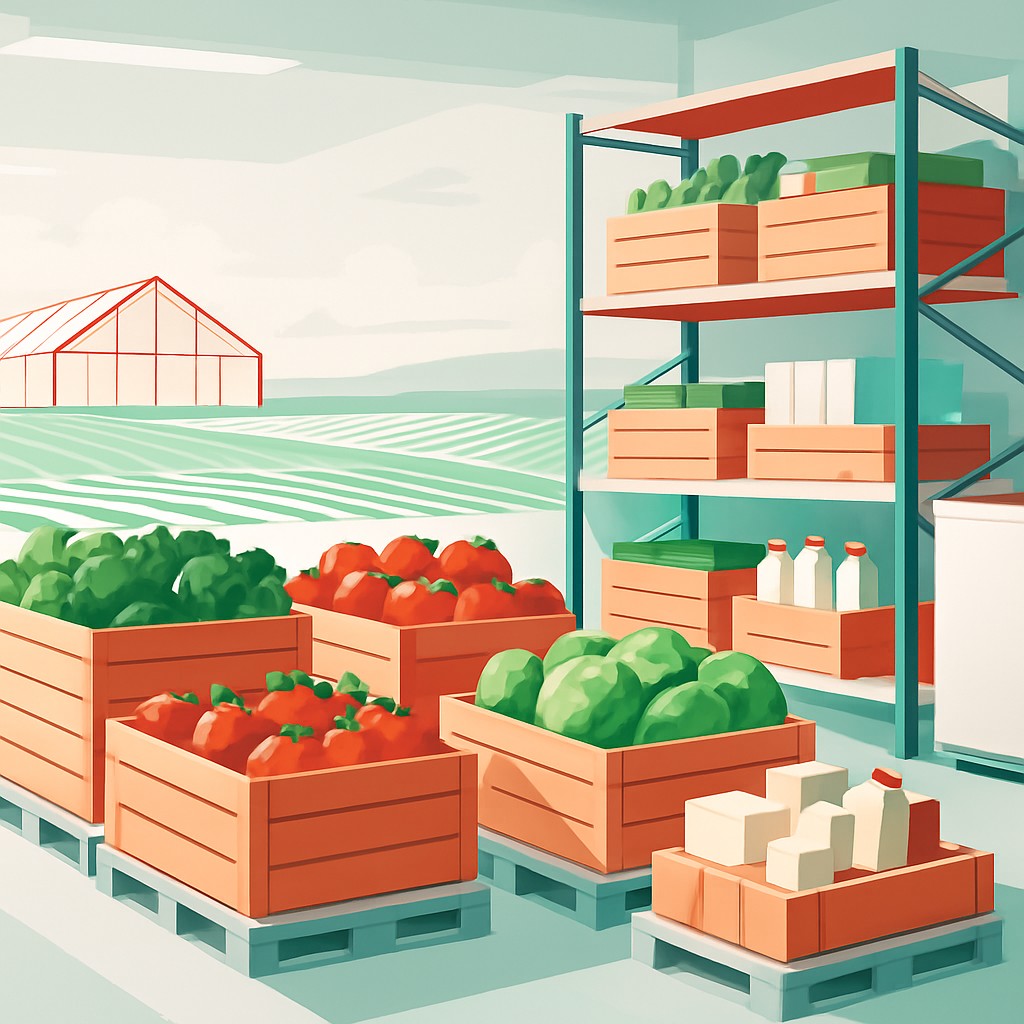
Feeding a Nation and a Continent
The Netherlands is a global leader in food production and trade, second only to the United States as the world's largest agricultural exporter by value. This remarkable position is built on advanced farming techniques, world-class logistics, and a deeply embedded culture of food quality and safety. Food wholesalers sit at the centre of this ecosystem, connecting producers with restaurants, supermarkets, hotels, caterers, and independent retailers across the country and beyond.
Dutch food wholesalers handle an extraordinary variety of products, from fresh fruit and vegetables grown in the country's famous greenhouses to dairy, meat, seafood, bakery goods, beverages, and international specialties. Their scale and efficiency allow buyers of all sizes to access consistent, high-quality supplies at competitive prices.
The Foundations of Quality and Safety
Food safety is non-negotiable in the wholesale sector. The best Dutch wholesalers operate under rigorous standards such as HACCP, BRC, and IFS certification, ensuring that every product is handled, stored, and transported under controlled conditions. Cold chain integrity is especially critical for perishable goods; leading suppliers maintain temperature-controlled warehouses and refrigerated transport to preserve freshness from farm to table.
Traceability has become equally important. Reputable wholesalers can track products back to their source, providing transparency about origin, handling, and certification. This capability not only reassures customers but also enables rapid response in the rare event of a recall, protecting public health and business reputations alike.
Serving Diverse Customers
Food wholesalers in the Netherlands serve an impressively broad clientele. Restaurants and hotels rely on them for daily deliveries of fresh ingredients, while supermarkets depend on steady supplies of staples and seasonal produce. Caterers, institutions such as schools and hospitals, and the booming food-service delivery sector all turn to wholesalers to meet their needs.
This diversity demands flexibility. The best wholesalers offer tailored solutions, from bulk pallets for large retailers to smaller, frequent deliveries for independent cafes. Many provide both broadline ranges covering thousands of products and specialised assortments focused on categories like organic foods, ethnic cuisines, or premium ingredients.
Logistics and Freshness
The Netherlands' compact geography and superb infrastructure give food wholesalers a powerful logistical edge. Goods can move from distribution centres to customers anywhere in the country within hours, and the proximity to major ports and airports facilitates both imports and exports. This speed is vital for perishable products, where freshness directly affects quality and reduces waste.
Technology underpins these operations. Sophisticated inventory and routing systems optimise deliveries, minimise spoilage, and ensure orders arrive on time. Online ordering platforms allow customers to place and track orders conveniently, while real-time stock visibility helps them plan menus and purchasing with confidence.
Sustainability in Food Supply
Sustainability is a growing priority across the Dutch food sector. Wholesalers increasingly focus on reducing food waste through better demand forecasting, donating surplus to charities, and repurposing imperfect produce. Many are cutting packaging waste, switching to recyclable materials, and investing in energy-efficient refrigeration and electric delivery vehicles.
Sourcing practices are evolving too. There is rising demand for locally grown, seasonal, and organic products, as well as sustainably sourced seafood and ethically produced goods. Wholesalers who champion these values help their customers meet consumer expectations and environmental commitments.
Trends Shaping the Sector
The food wholesale industry is responding to several powerful trends. Health-conscious consumers are driving demand for plant-based, organic, and functional foods, prompting wholesalers to expand these ranges. The continued growth of food delivery and meal-kit services is reshaping distribution patterns. Meanwhile, global supply chain disruptions have underscored the importance of resilient sourcing and strong supplier relationships.
Digital transformation is accelerating across the board. From automated warehouses to AI-driven demand planning, technology is helping wholesalers operate more efficiently and serve customers more effectively. Those who embrace innovation while maintaining their commitment to quality are best placed to thrive.
Selecting a Reliable Food Wholesaler
Choosing the right food wholesaler is a critical decision for any food business. Prioritise suppliers with strong food safety credentials, reliable cold chain management, and a track record of consistent quality. Consider the breadth of their range, their delivery reliability, and their flexibility on order sizes and frequencies.
Service quality often makes the difference. A responsive wholesaler who communicates clearly, resolves issues promptly, and understands the rhythms of your business becomes an indispensable partner. Request references, trial their service, and evaluate how well they align with your standards and values before committing.
Conclusion
Food wholesalers are the backbone of the Netherlands' world-renowned food economy, ensuring that fresh, safe, and high-quality products reach businesses and consumers reliably. With their combination of rigorous standards, logistical excellence, and growing sustainability commitments, Dutch food wholesalers offer outstanding value. By carefully assessing quality, reliability, and service, food businesses can secure a supply partner that supports their success for years to come.
