
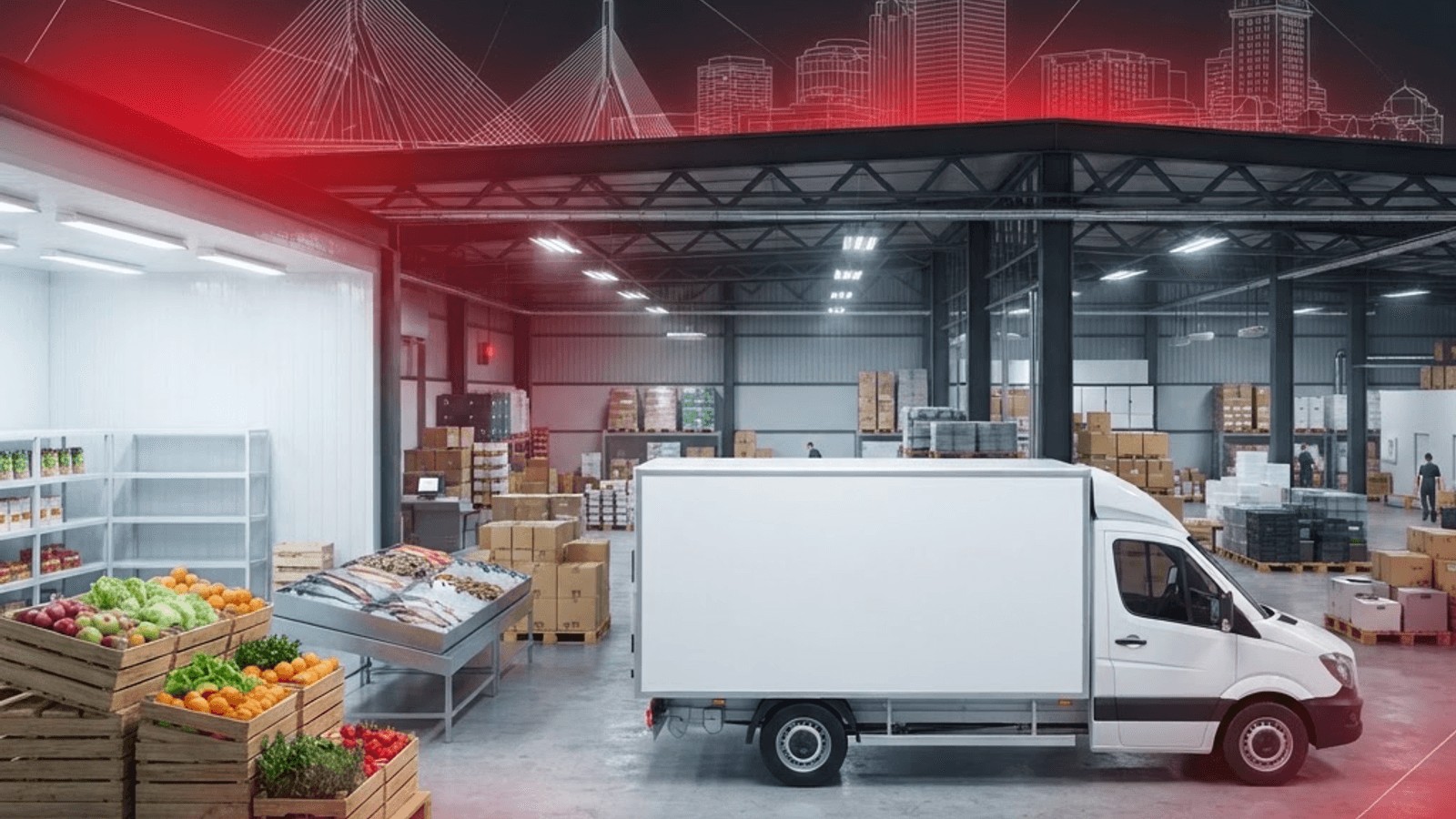
A City Built Around Food Distribution
Boston has been a food trading hub since the colonial era, and the infrastructure that grew from that history still shapes the market today. The New England Produce Center and Boston Market Terminal in Chelsea move enormous volumes of fruits and vegetables every night. The Fish Pier and Seaport seafood houses process catch landed hours earlier. Broadline distributors run fleets that reach from Cape Cod to the Berkshires. Together they supply thousands of restaurants, hospitals, universities, corporate cafeterias, and grocery stores.
For any food business in the region, distribution is not a back-office concern. It determines menu possibilities, food cost, plate consistency, and the ability to honor a promise about freshness or provenance. Choosing the right wholesalers is one of the highest-leverage decisions an operator makes.
What Distinguishes an Excellent Food Wholesaler
Cold chain integrity comes first. Temperature control from dock to delivery is the foundation of both safety and quality, and serious distributors can document it. Food safety programs matter enormously, including third-party audits, traceability systems capable of identifying a lot within minutes, and allergen controls. Fill rate is the operational metric that separates good from great, because substitutions disrupt kitchens and erode trust. Beyond logistics, look for category expertise: a distributor whose team can explain a fishery's seasonality or recommend a substitute cheese is a resource, not just a truck. Finally, evaluate technology, since online ordering, order guides, and usage reporting help operators control cost.
The Top 10 Food Wholesalers Serving Boston
1. Katsiroubas Brothers
A long-established Boston produce wholesaler, Katsiroubas Brothers has built its reputation on fresh fruits and vegetables, fresh-cut processing, and reliable service to restaurants and institutions across the metro area. Its differentiators are consistent quality inspection, value-added cutting that saves kitchens labor, and the kind of relationship service that comes from generations in the same market.
2. Costa Fruit and Produce
Operating from the Boston area with broad regional reach, Costa combines produce distribution with coffee and specialty programs, serving healthcare, education, and hospitality accounts. The company is known for sustainability initiatives, sophisticated distribution infrastructure, and a strong local sourcing program during the New England growing season.
3. Boston Sword and Tuna
Located in the heart of the city's seafood district, Boston Sword and Tuna processes and distributes fresh fish with the traceability that discerning chefs demand. Its strength lies in direct relationships with fishing vessels, rapid processing, and the ability to deliver day-boat quality product to restaurants nationwide while remaining a neighborhood supplier for Boston kitchens.
4. North Coast Seafoods
Another pillar of the Boston seafood trade, North Coast Seafoods supplies retail and foodservice customers with a wide assortment of fresh and frozen products backed by significant processing capability. Sustainability sourcing, food safety rigor, and consistent supply through seasonal fluctuations are its defining characteristics.
5. Sysco Boston and US Foods New England
The national broadline distributors anchor the region's foodservice supply, offering everything from proteins and produce to disposables and cleaning chemicals in a single delivery. Their advantage is one-stop convenience, deep private-label assortments, menu costing tools, and consultative support that helps operators engineer profitability.
6. Performance Food Group Northeast Operations
Serving independent restaurants and chains alike, this broadline competitor differentiates through specialty protein programs, culinary support, and flexible ordering minimums that suit smaller operators. For restaurants seeking a balance between national scale and individualized attention, it is a frequent choice.
7. Baldor Specialty Foods New England Service
Specialty distributors focused on chef-driven ingredients supply the microgreens, heirloom produce, imported cheeses, and pantry items that define contemporary menus. Their appeal is curation and speed, often delivering overnight so a chef can build a special around something that arrived that morning.
8. Chelsea Market Terminal Wholesalers
The cluster of independent wholesalers at the New England Produce Center serves grocers, ethnic markets, and restaurants with competitive pricing and enormous variety, including specialty items serving Boston's diverse immigrant communities. Buyers who can visit the terminal gain access to pricing and product freshness that catalog ordering rarely matches.
9. Bakery and Dairy Distribution Specialists
Bread, pastry, and dairy require daily delivery rhythms distinct from other categories. Regional specialists in this space differentiate through early morning routes, artisan bakery partnerships, and cold chain precision that protects delicate products like fresh mozzarella and cultured butter.
10. Local Farm Aggregators and Food Hubs
Massachusetts food hubs aggregate output from small farms and deliver it to restaurants, schools, and retailers with the documentation institutional buyers require. They allow operators to make credible local sourcing claims, support the regional agricultural economy, and access varieties that never enter national supply chains.
Trends Shaping Boston Food Wholesale
Traceability has become a competitive requirement, accelerated by regulatory expectations and consumer curiosity about origin. Sustainability is reshaping seafood in particular, where fishery certification and bycatch practices now influence purchasing decisions at major accounts. Labor scarcity in kitchens has driven demand for value-added products such as pre-cut produce, portioned proteins, and prepared components that reduce prep hours. Technology adoption continues, with route optimization, dynamic pricing, and inventory analytics improving both cost and freshness. Meanwhile, ghost kitchens, meal delivery, and grocery hybrid models are creating new customer types with delivery expectations that differ sharply from traditional restaurants.
How Boston Operators Should Choose Distributors
Most successful kitchens use a hybrid model: a broadline distributor for volume and staples, plus two or three specialists for produce, seafood, and specialty items. Negotiate on total value rather than a handful of headline items, and review fill rates monthly rather than accepting anecdotes. Ask for food safety audit results and confirm recall procedures. Align delivery windows with your labor schedule so receiving is properly supervised. Track price movements on your top twenty items, since that small list usually drives most of your food cost. And build genuine relationships with your sales representatives, because in a shortage, allocation follows loyalty.
Conclusion
Boston's food wholesale sector combines centuries of trading heritage with modern logistics and food safety discipline. Whether you need day-boat fish, organic greens from a Massachusetts farm, or a complete broadline program, the partners exist within a short drive of your kitchen. Choose them thoughtfully, hold them to measurable standards, and your supply chain becomes a source of quality rather than a daily worry.
