
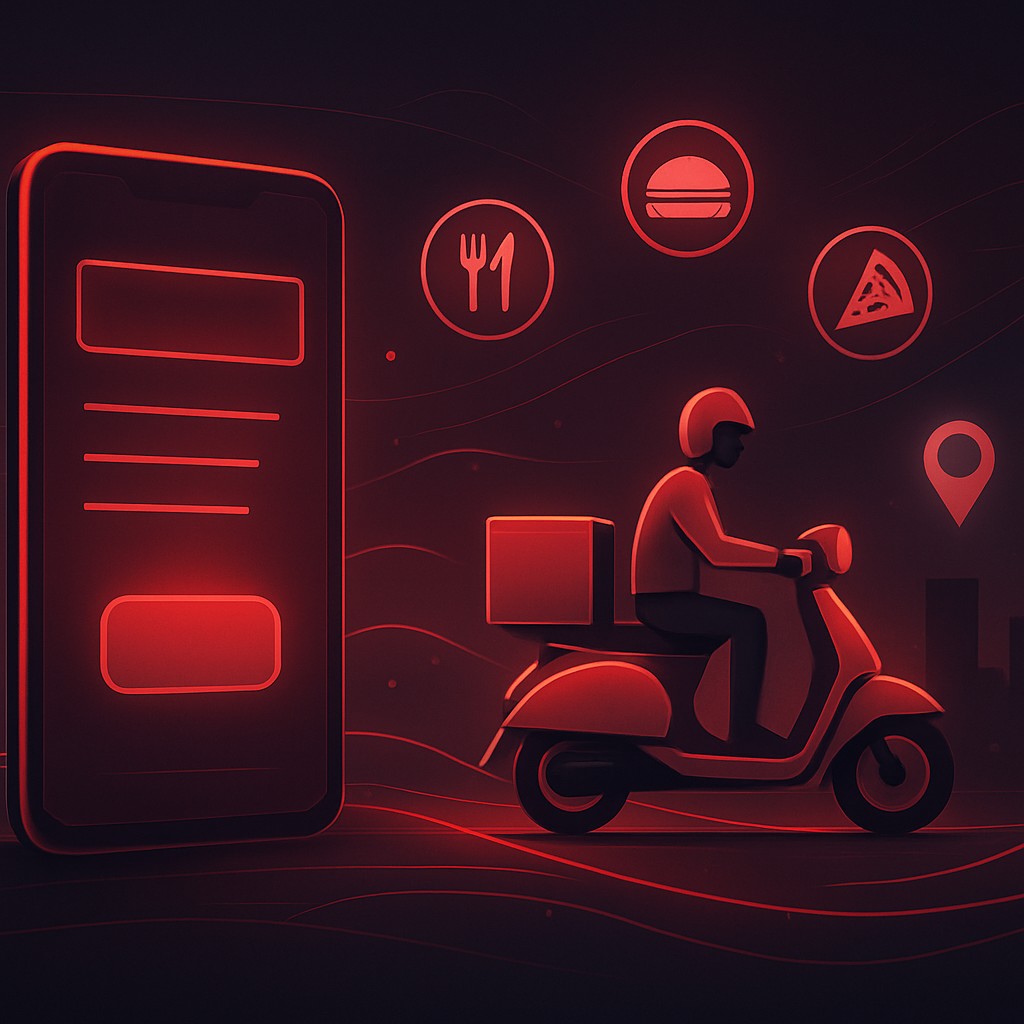
The Digital Transformation of Dining
The way people in Yemen access their favorite meals is changing, driven by the rise of food delivery applications. As smartphone adoption increases across urban centers like Sana'a, Aden, and Taiz, residents are embracing the convenience of ordering food with a few taps. Food delivery apps connect hungry customers with restaurants, bakeries, and grocery stores, reshaping daily routines and expanding opportunities for local businesses.
This digital shift reflects broader technological progress in Yemen. Despite infrastructure challenges, entrepreneurs and developers are building platforms that meet real consumer needs, demonstrating the country's capacity for innovation.
How Food Delivery Apps Work
Food delivery apps function as intermediaries between customers, restaurants, and delivery drivers. Users browse menus, place orders, and track deliveries through an intuitive interface. Payment options typically include cash on delivery, which remains popular, alongside emerging digital payment methods. Delivery riders collect orders and transport them to customers, often within a defined service area.
The best platforms prioritize ease of use, clear menus, accurate pricing, and reliable tracking. A smooth ordering experience encourages repeat usage and builds customer trust in the service.
Benefits for Customers
The appeal of food delivery apps lies in convenience. Customers save time by avoiding travel and waiting, accessing a wide range of dining options from home or the office. Apps allow users to compare restaurants, read descriptions, and discover new establishments they might not have visited otherwise.
For busy professionals, families, and individuals without easy transportation, delivery services provide meaningful value. The ability to order meals during inclement weather or after a long day adds comfort and flexibility to daily life.
Benefits for Restaurants
Food delivery apps also create significant opportunities for restaurants. By joining a delivery platform, eateries reach customers beyond their immediate neighborhood, increasing sales and visibility. Smaller establishments, in particular, benefit from access to a broader audience without investing in their own delivery infrastructure.
The data and insights provided by these platforms help restaurants understand customer preferences, optimize menus, and run targeted promotions. This partnership between technology and food service supports the growth of the local economy.
Key Features of Leading Apps
The most successful food delivery apps share several characteristics. A user-friendly interface ensures customers can navigate easily, while accurate location services enable efficient delivery. Reliable customer support resolves issues quickly, preserving trust. Transparent pricing, including clear delivery fees, prevents unpleasant surprises.
Order tracking, ratings, and reviews enhance the experience by providing transparency and accountability. Apps that maintain reliable delivery times and food quality earn strong reputations and loyal user bases.
Challenges and Solutions
Operating food delivery services in Yemen involves overcoming obstacles such as intermittent connectivity, electricity constraints, and logistical complexity. Successful platforms address these challenges through lightweight app design, offline-friendly features, and well-coordinated delivery networks. Building reliable rider teams and maintaining food quality during transit require careful management.
The platforms that thrive are those that adapt to local realities while continuously improving their service. Their resilience reflects the broader entrepreneurial energy present in Yemen's growing digital economy.
The Road Ahead
As internet access expands and digital payment adoption grows, food delivery apps are poised to play an increasingly central role in Yemeni life. Continued innovation, including grocery delivery and expanded service areas, will broaden their impact. For customers and restaurants alike, these platforms offer convenience, opportunity, and a glimpse of a more connected future. The food delivery sector stands as a compelling example of how technology can enhance everyday living, even amid challenging circumstances.
