
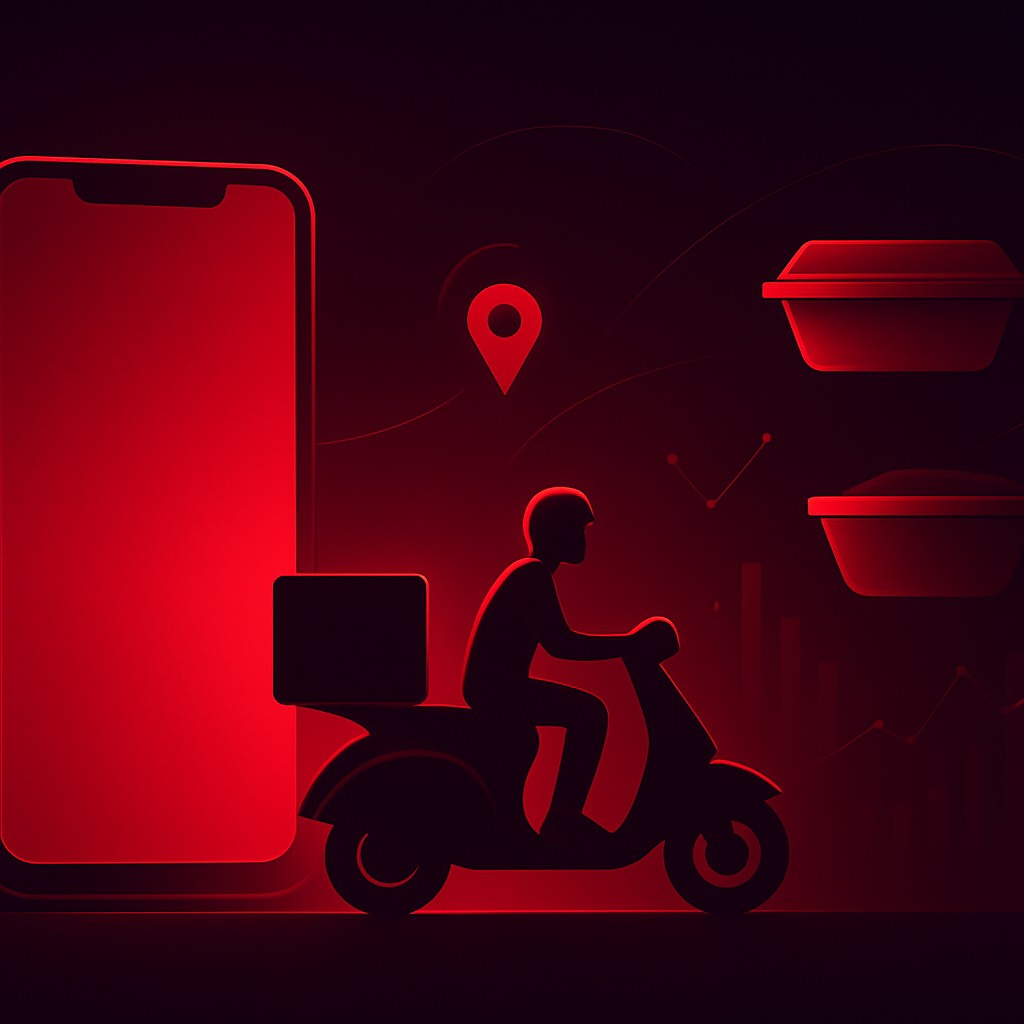
The Rise of Food Delivery in Tunisia
Food delivery has rapidly transformed the way Tunisians enjoy their meals. Driven by growing smartphone adoption, urbanization, and changing lifestyles, digital delivery platforms have become an integral part of daily life in cities like Tunis, Sfax, and Sousse. What was once a niche service has evolved into a thriving industry that connects thousands of restaurants with hungry customers at the tap of a screen.
The convenience of ordering from a wide range of restaurants, tracking deliveries in real time, and paying digitally has reshaped consumer expectations. As competition intensifies, delivery apps continue to enhance their services, offering faster delivery, broader menus, and attractive promotions.
What Makes a Food Delivery App Successful
The best food delivery apps in Tunisia stand out through reliability, speed, and user experience. A well-designed app should be easy to navigate, with clear menus, accurate restaurant listings, and seamless payment options. Real-time order tracking and dependable delivery times are crucial for customer satisfaction.
Restaurant variety is another key factor. Successful platforms partner with a diverse mix of establishments, from local eateries serving traditional Tunisian dishes to international chains and trendy cafés. Responsive customer support and fair pricing further strengthen user loyalty.
Leading Food Delivery Platforms
Several apps have established themselves as leaders in the Tunisian market. Glovo is among the most prominent, offering not only food delivery but also groceries and everyday essentials across major cities. Its extensive restaurant network and quick delivery have made it a favorite among urban customers.
Local platforms such as Jumia Food previously played a significant role in expanding delivery culture, while homegrown services like Fini and Tayara-linked offerings have catered to specific regional needs. Apps such as Yummy and Mlivery have gained traction by focusing on local restaurants and personalized service.
Other notable platforms include Delivrini, known for its strong presence in coastal cities, and Hungry, which appeals to younger users with a modern interface. Services like Express Food and Resto Delivery have built dependable reputations for connecting neighborhood restaurants with nearby customers, while Click Eat focuses on streamlined ordering and competitive pricing.
Benefits for Customers and Restaurants
Food delivery apps offer significant advantages for both consumers and businesses. For customers, the appeal lies in convenience, variety, and time savings. Busy professionals, families, and students can enjoy meals from their favorite restaurants without leaving home, while promotional offers and loyalty rewards add further value.
For restaurants, these platforms open new revenue streams and expand their reach beyond physical locations. Small and independent eateries, in particular, benefit from increased visibility and access to a broader customer base. The data and insights provided by delivery apps also help restaurants optimize their menus and operations.
Trends Shaping the Industry
The Tunisian food delivery sector is evolving rapidly. Digital payment integration is becoming more widespread, reducing reliance on cash transactions and improving convenience. Apps are also investing in faster delivery logistics, including optimized routing and larger courier networks.
Sustainability is emerging as a focus area, with some platforms exploring eco-friendly packaging and greener delivery options. Personalization powered by data analytics is enhancing the user experience, offering tailored recommendations and targeted promotions. The expansion into grocery and pharmacy delivery further reflects the industry's growth beyond restaurant meals.
Challenges Facing the Sector
Despite rapid growth, the food delivery industry in Tunisia faces several challenges. Traffic congestion in major cities can affect delivery times, while maintaining food quality and temperature during transit requires careful logistics. Balancing fair commission rates for restaurants with affordable pricing for customers remains an ongoing consideration for platforms.
Building reliable courier networks and ensuring consistent service quality across different neighborhoods also present operational hurdles. The most successful platforms address these challenges through investment in technology, driver training, and efficient routing systems, allowing them to maintain customer trust and steady growth.
The Impact on Tunisian Dining Culture
Food delivery apps have not only added convenience but also influenced how Tunisians experience dining. They have expanded access to a wider variety of cuisines, encouraged restaurants to innovate their menus, and supported the growth of cloud kitchens that operate primarily for delivery. This shift has created new opportunities for entrepreneurs and culinary creativity.
At the same time, delivery culture has complemented rather than replaced Tunisia's strong tradition of communal dining. Families and friends still value gathering around the table, and delivery apps have simply added flexibility, making it easier to enjoy favorite meals at home during busy days or special occasions.
Choosing the Right App
With multiple options available, choosing the right food delivery app depends on individual preferences. Customers should consider factors such as delivery speed, restaurant selection, pricing, and reliability. Trying different apps and comparing their offerings helps users find the platform that best suits their needs and location.
Conclusion
Food delivery apps have become an essential part of modern life in Tunisia, offering convenience, variety, and efficiency to millions of users. As technology advances and competition grows, these platforms continue to innovate, improving service quality and expanding their offerings. Whether craving traditional Tunisian cuisine or international favorites, customers across the country can rely on a growing ecosystem of dependable delivery apps to satisfy their appetites.
