
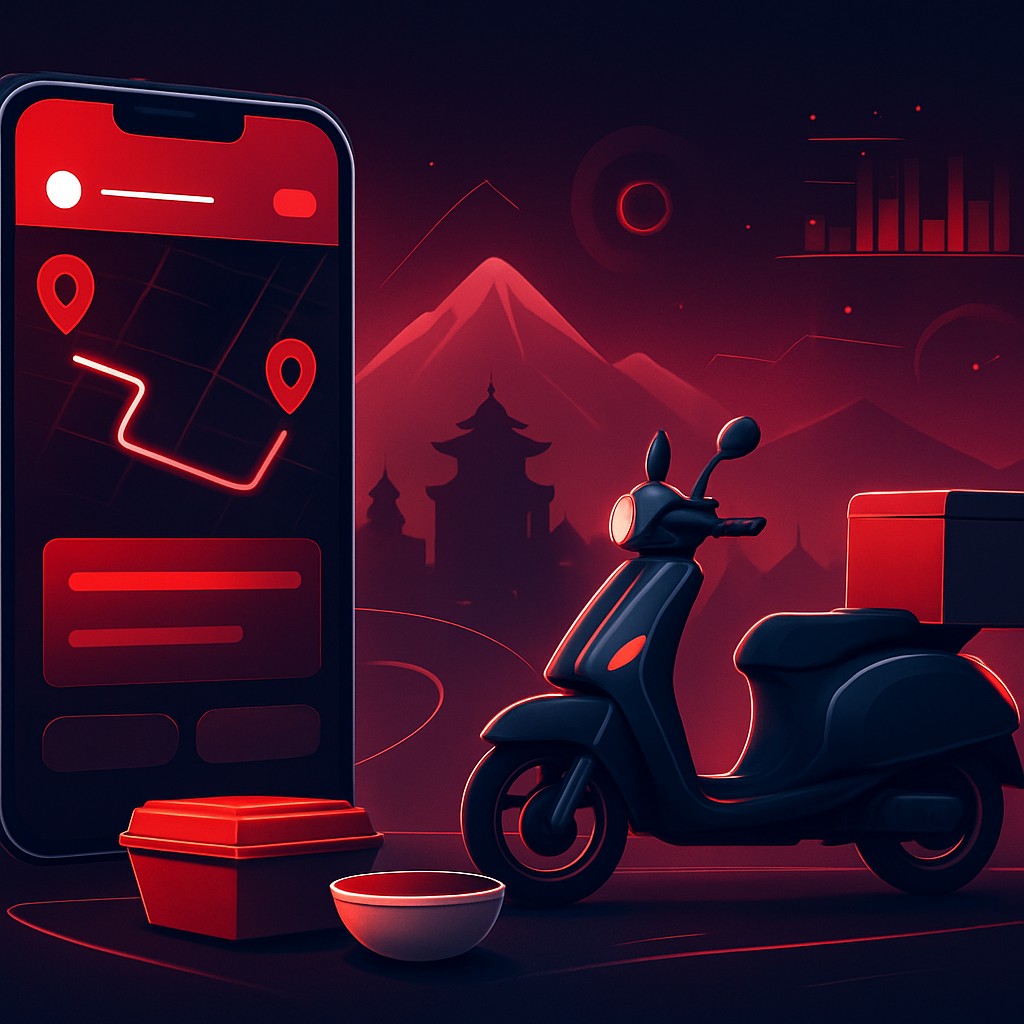
The Digital Dining Revolution in Nepal
Few innovations have changed everyday life in Nepal as dramatically as food delivery apps. What once required a phone call or a trip to a restaurant can now be accomplished with a few taps on a smartphone. The proliferation of affordable internet, widespread mobile adoption, and a growing appetite for convenience have propelled food delivery into the mainstream, particularly in cities like Kathmandu, Pokhara, and Lalitpur. These platforms connect hungry customers with thousands of restaurants, offering unprecedented variety and speed.
The growth of food delivery in Nepal accelerated significantly as urban consumers embraced digital lifestyles. Busy professionals, students, and families increasingly rely on these apps for daily meals, special occasions, and everything in between. Beyond convenience, the platforms have created economic opportunities for delivery riders, restaurants, and cloud kitchens, reshaping the broader food ecosystem.
What Makes a Food Delivery App Stand Out
The best food delivery apps succeed by balancing a wide restaurant selection, reliable delivery, intuitive design, and fair pricing. Customers value accurate order tracking, prompt deliveries, and responsive customer support. Restaurant partners benefit from platforms that offer fair commissions, marketing support, and efficient order management. The leading apps invest heavily in technology, logistics, and partnerships to deliver a seamless experience for both diners and merchants.
Leading Food Delivery Platforms
Foodmandu is widely regarded as a pioneer of food delivery in Nepal, boasting an extensive network of restaurant partners and a loyal customer base built over many years. Its early entry and consistent service have made it a household name.
Pathao Food, an extension of the popular ride-hailing platform, leverages its large fleet of riders to offer fast and reliable food delivery alongside its transport services. Bhojdeals has gained traction by offering attractive discounts and a broad restaurant selection that appeals to value-conscious customers.
Daraz Food, connected to the well-known e-commerce platform, integrates food delivery into a familiar shopping experience, while NepXpress and Smart Doko serve customers with delivery options spanning food and other essentials.
Other notable platforms include Khaajaa, focused on convenient meal delivery, and Upaharghar, which combines food with gifting services. InDriver Food and emerging regional apps continue to expand the market, increasing competition and choice. Together, these platforms have created a dynamic and rapidly evolving food delivery landscape.
Trends Driving Growth
Several trends are fueling the expansion of food delivery in Nepal. The rise of cloud kitchens, restaurants that operate exclusively for delivery, has increased the variety of available cuisines while lowering overhead for food entrepreneurs. Digital payment integration has made transactions smoother, reducing reliance on cash and improving convenience. Subscription models, loyalty rewards, and promotional discounts have also become common strategies to attract and retain customers in a competitive market.
Real-time order tracking and improved logistics have raised customer expectations, prompting platforms to optimize delivery routes and rider allocation. Data analytics increasingly guide decisions about restaurant partnerships, demand forecasting, and personalized recommendations, helping apps serve customers more effectively.
Benefits for Customers and Businesses
Food delivery apps offer clear advantages for everyone involved. Customers enjoy convenience, variety, and the ability to discover new restaurants without leaving home. Restaurants gain access to a wider audience, increased sales, and valuable data about customer preferences. Delivery riders find flexible earning opportunities, contributing to local employment. This interconnected ecosystem creates value across the board, supporting the growth of the broader hospitality sector.
Challenges and Considerations
Despite rapid growth, the food delivery industry faces challenges. Maintaining food quality during transit, managing delivery times during peak hours, and balancing commissions with restaurant profitability require ongoing attention. Traffic congestion and infrastructure limitations can affect delivery efficiency in some areas. The most successful platforms address these challenges through technology, strong partnerships, and a relentless focus on customer satisfaction.
The Future of Food Delivery
The future of food delivery in Nepal looks bright as smartphone penetration deepens and consumer habits continue to shift. Expansion into smaller cities, integration of additional services, and continued investment in logistics are likely to drive further growth. As competition intensifies, customers can expect better service, more choices, and innovative features. For Nepali diners, food delivery apps have become an indispensable part of modern life, delivering not just meals but a new standard of convenience that is here to stay.
