
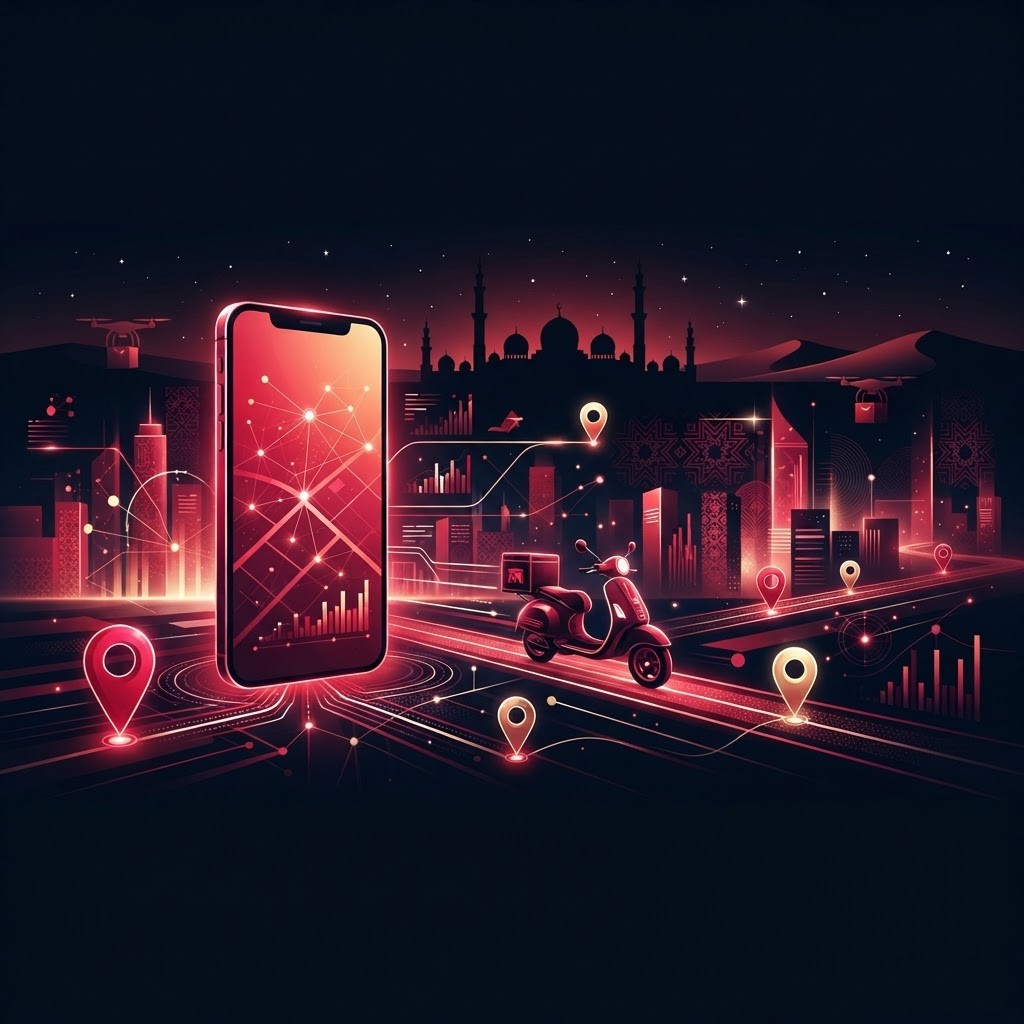
The Rise of Food Delivery in Libya
Over the past few years, food delivery has moved from a novelty to an everyday convenience across Libya. In cities like Tripoli, Benghazi, and Misrata, a young, smartphone-savvy population has embraced ordering meals online, pushing local entrepreneurs and restaurants to adopt digital ordering systems. The combination of rising internet penetration, affordable smartphones, and a vibrant restaurant culture has created fertile ground for delivery platforms to flourish.
Unlike many mature markets dominated by one or two giants, Libya's delivery landscape is still forming. This means several homegrown apps and regional players compete side by side, each carving out a niche based on speed, coverage, restaurant selection, or payment flexibility. For consumers, this competition translates into more choice and better service.
What Makes a Great Delivery App in Libya
The best platforms share a few common traits. Reliable coverage across neighborhoods is essential, as is a wide catalog of restaurants ranging from traditional Libyan eateries serving bazin and shorba to modern burger joints and cafes. Because card payment adoption is still growing, apps that handle cash on delivery smoothly tend to win loyal users. Clear delivery time estimates, live order tracking, and responsive customer support round out the experience.
Leading Food Delivery Platforms
Yammi has grown into one of the most recognized names, praised for its clean interface and broad restaurant partnerships in major urban centers. Its focus on quick onboarding for small eateries has helped it build a diverse catalog.
Talabeyah positions itself around speed and neighborhood coverage, appealing to customers who value short delivery windows and dependable drivers. Its loyalty offers and periodic discounts have earned a dedicated following.
Presto emphasizes a premium experience, curating higher-end restaurants and cafes for customers seeking quality dining at home. Its polished presentation and careful vendor selection set it apart.
Otlobi markets itself as a community-focused option, working closely with family-run restaurants and highlighting authentic Libyan cuisine alongside international menus.
Baladna Delivery has expanded steadily by combining food with grocery and pharmacy runs, giving users a multipurpose convenience app rather than a food-only service.
Regional and Emerging Contenders
Toota and Waseet Food have gained traction in Benghazi and the eastern region, focusing on local restaurant relationships and flexible payment methods. Meanwhile Libya Eats targets expatriates and business districts with English-friendly menus and office catering options. Sufra Express differentiates itself through family meal bundles ideal for large households, and QuickBite Libya leans into fast comfort food with an emphasis on rapid turnaround during peak hours.
Key Features Driving Adoption
Across these platforms, several features consistently drive growth. Real-time GPS tracking reassures customers about delivery timing. Ratings and reviews build trust in both restaurants and drivers. In-app promotions, referral bonuses, and Ramadan-season offers spike engagement during culturally significant periods. Many apps now integrate multiple payment routes, blending cash on delivery with emerging mobile wallet options as digital finance matures in Libya.
Challenges and Opportunities
The sector still faces hurdles. Intermittent connectivity, fuel availability affecting driver fleets, and address standardization in areas without formal street naming can complicate deliveries. Successful apps invest in local knowledge, training drivers to navigate informally mapped neighborhoods and offering pin-drop location features to bridge gaps in traditional addressing.
At the same time, the opportunity is significant. As logistics infrastructure improves and digital payments spread, delivery apps are expanding into groceries, pharmaceuticals, and everyday essentials. This diversification mirrors global super-app trends and hints at where the Libyan market is heading.
Trends Shaping the Future
Looking ahead, expect deeper integration between restaurants and delivery platforms through cloud kitchens and delivery-only brands. Data-driven personalization will recommend meals based on past orders, while subscription models offering free or discounted delivery are likely to appear. Sustainability, from reusable packaging to optimized routing, will gradually become a differentiator as consumer awareness grows.
How to Choose the Right App for You
With several strong options available, choosing the right food delivery app comes down to your personal priorities. If speed is your main concern, look for platforms with dense driver networks in your neighborhood and reliable time estimates. If variety matters more, favor apps with the widest restaurant catalogs and strong partnerships with your favorite eateries. Budget-conscious users should compare delivery fees, minimum order requirements, and the frequency of promotions and discount codes.
It is often worth keeping two or three apps installed, since restaurant availability, pricing, and delivery speed can vary significantly between platforms and times of day. Reading recent user reviews provides insight into current service quality, while checking payment options ensures the app supports your preferred method, whether cash on delivery or an emerging digital wallet. Ultimately, the best app is the one that consistently delivers hot, fresh food from restaurants you love, on time and without hassle.
Supporting Local Restaurants
Beyond convenience, food delivery apps have become a lifeline for local restaurants, opening new revenue streams and helping small, family-run establishments reach customers far beyond their immediate surroundings. By ordering through these platforms, consumers directly support Libyan entrepreneurs and the wider hospitality sector, contributing to job creation and the growth of the local digital economy.
Conclusion
Food delivery in Libya is a dynamic, fast-evolving space defined by strong local players and rising consumer expectations. Whether you prioritize speed, restaurant variety, premium options, or multipurpose convenience, there is a platform tailored to your needs. As competition intensifies and technology matures, Libyan customers stand to benefit from faster, smarter, and more reliable food delivery than ever before.
