
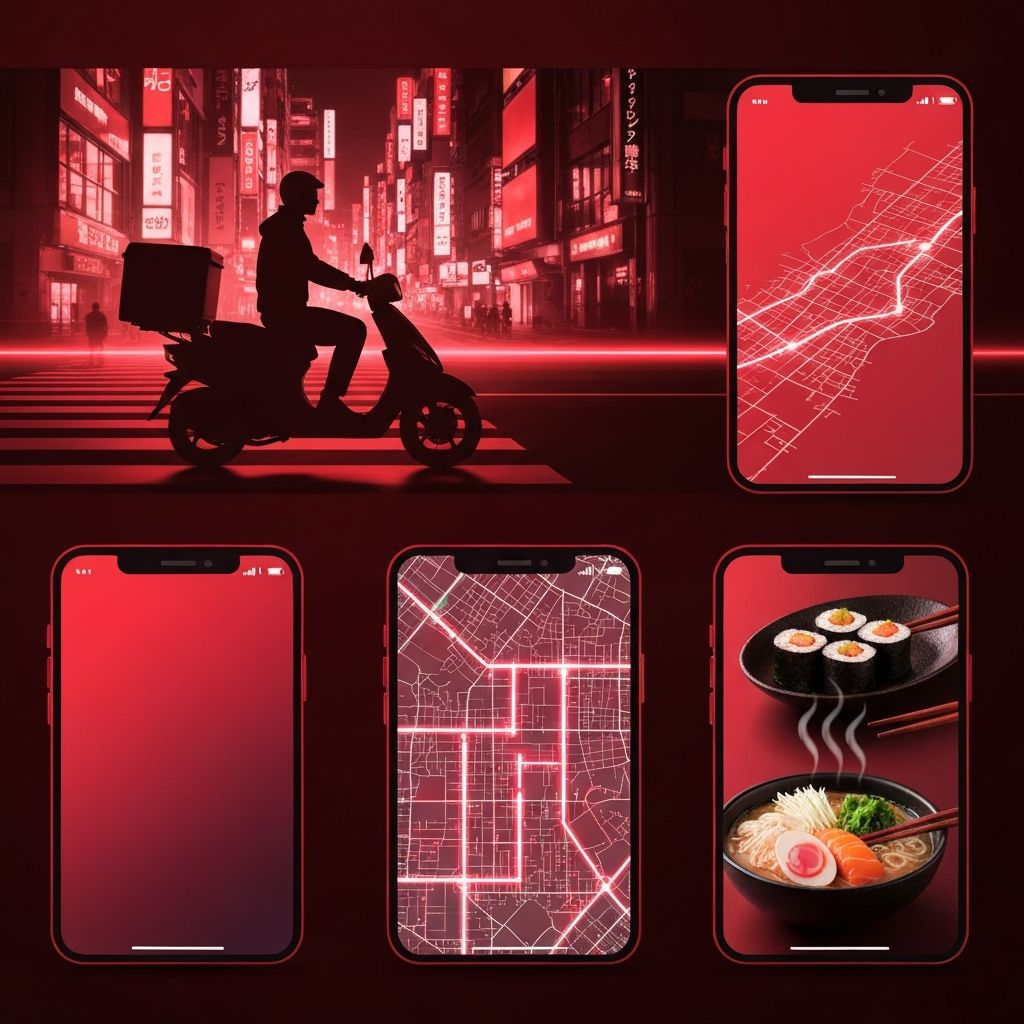
The Growing Food Delivery Market in Japan
Japan's food delivery market has expanded dramatically in recent years, fueled by changing lifestyles, urbanization, and the widespread adoption of smartphones. While traditional delivery from local sushi restaurants and ramen shops has existed for decades, the rise of app-based platforms has transformed convenience to a new level. Today, customers can order everything from gourmet kaiseki sets to fast food, groceries, and even traditional bento boxes with just a few taps.
The following ten apps represent the leading platforms reshaping how people in Japan enjoy meals at home, at work, and on the go.
1. Demae-can
Demae-can is one of Japan's longest-running food delivery platforms, offering a vast selection of restaurants and cuisines. With strong partnerships and reliable service, it remains a household name and continues to expand into rural areas.
2. Uber Eats Japan
Uber Eats has become a major player in Japan since its launch in Tokyo. Known for its sleek interface and large network of partner restaurants, Uber Eats offers everything from local Japanese fare to international cuisine.
3. Wolt
Wolt is a Finnish company that has gained significant traction in Japan with its premium service, curated restaurant selection, and reliable customer support. It is especially popular in urban centers and among customers seeking high-quality dining options.
4. menu
menu is a Japanese delivery and takeout platform that focuses on user-friendly design and a wide variety of cuisines. It offers both delivery and pickup options, making it a flexible solution for users with different needs.
5. Rakuten Delivery
Rakuten Delivery integrates with the Rakuten ecosystem, allowing users to earn loyalty points while ordering meals. It partners with numerous restaurants and provides a familiar experience for existing Rakuten users.
6. Demaecan Bento
Demaecan Bento focuses on traditional Japanese bento box delivery for corporate offices, meetings, and events. Its strong network of bento providers makes it ideal for business clients.
7. Foodpanda Japan
Foodpanda entered the Japanese market with its global expertise in food delivery. With a wide restaurant network and recognizable branding, it has carved a niche among consumers seeking variety and reliability.
8. DiDi Food
DiDi Food, operated by the well-known mobility company, has built a strong presence in Japan's food delivery sector. With competitive pricing and quick delivery, it appeals to budget-conscious customers.
9. Chompy
Chompy is a Japanese delivery app that emphasizes local independent restaurants. Its community-driven approach has helped small eateries reach new audiences while offering customers unique culinary experiences.
10. fineDine Japan
fineDine Japan focuses on premium and gourmet meal delivery, partnering with high-end restaurants to provide curated dining experiences at home. It caters to special occasions and customers seeking upscale options.
Features That Define Japanese Food Delivery Apps
Japanese food delivery apps are known for several distinctive features. Detailed restaurant pages with photos, menus, and reviews help customers make informed choices. Real-time order tracking, contactless delivery, and integration with popular payment methods such as PayPay, LINE Pay, and credit cards make the experience seamless.
Many apps also offer loyalty programs, subscription plans, and exclusive promotions tied to seasonal events. Multilingual interfaces, including English support, help international residents and tourists access local restaurants with ease.
Trends Shaping the Industry
The food delivery industry in Japan is being shaped by several trends. Cloud kitchens, also known as ghost kitchens, are growing rapidly as restaurants seek to expand delivery capabilities without opening physical locations. Subscription-based delivery services and meal kit options are also gaining popularity among busy professionals and families.
Sustainability is increasingly important, with delivery companies introducing reusable packaging, bicycle and electric scooter fleets, and waste reduction initiatives. Smaller cities and suburban areas are also experiencing growth, as platforms expand beyond Tokyo and Osaka.
How to Choose the Right Delivery App
When choosing a food delivery app in Japan, customers consider factors such as restaurant variety, delivery speed, service area, pricing, and payment options. Apps with strong customer support, transparent fees, and reliable rider networks tend to win loyal users. Promotional offers and loyalty rewards also influence consumer decisions.
Ultimately, the food delivery experience in Japan blends technology, hospitality, and culinary diversity. The ten apps featured here highlight the strength of the industry, showing how innovation and consumer demand have created a market that is both efficient and rich in choice. Whether craving authentic Japanese cuisine, international flavors, or premium fine dining, customers have more options than ever to enjoy great food delivered to their door.
