
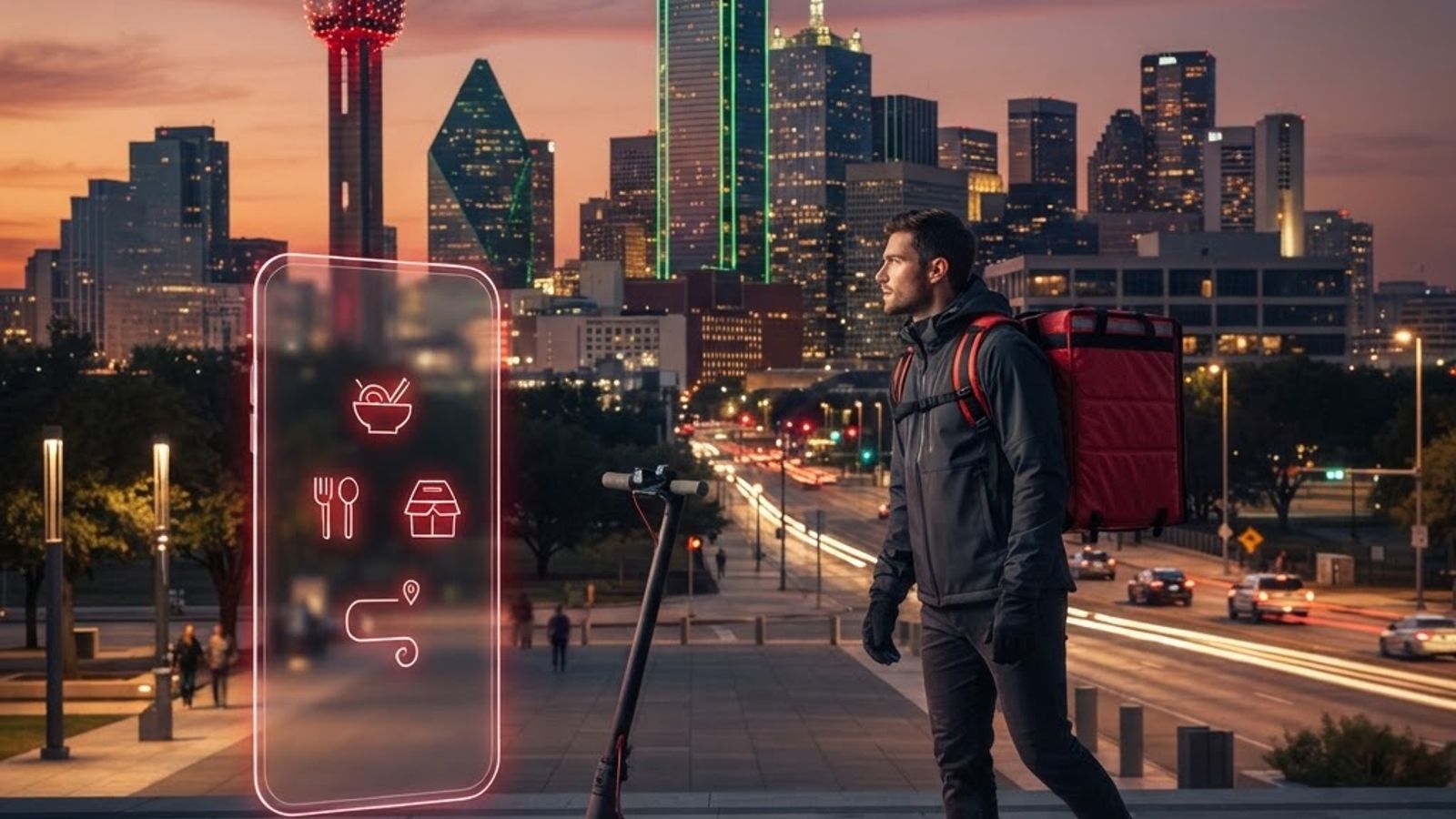
Finding the Right Food Delivery App in Dallas
Dallas has one of Texas's most varied dining scenes, stretching from chef-driven restaurants in the Arts District and Uptown to barbecue, tacos, global kitchens, and neighborhood favorites across Oak Cliff, Lakewood, and North Dallas. The best food delivery app is not necessarily the one with the longest restaurant list. Delivery range, fees, driver availability, grocery options, membership value, and support all matter. The following services are presented as practical standouts rather than an absolute ranking, because availability and pricing change by address and time of day.
1. DoorDash
DoorDash is a versatile choice for Dallas residents who value broad restaurant coverage. Its marketplace includes major chains, independent restaurants, convenience stores, and retailers. DashPass can make sense for frequent users by reducing eligible delivery fees, while scheduled ordering helps with office lunches and planned dinners. Dense coverage in central Dallas and many northern suburbs generally makes it useful for households that want one app for several kinds of errands.
2. Uber Eats
Uber Eats combines a polished ordering experience with substantial local selection. Dallas users can browse by cuisine, dietary preference, delivery time, and promotions, then follow the order in real time. The service is especially convenient for people who already use Uber and prefer a familiar account and payment setup. Its mix of restaurants, groceries, alcohol where permitted, and retail items gives it strong all-purpose appeal.
3. Grubhub
Grubhub remains relevant for restaurant delivery and is particularly familiar to workplace diners. Group ordering, scheduled delivery, and corporate account features can simplify team meals in Downtown Dallas, Las Colinas, and other employment centers. Restaurant availability varies by neighborhood, but the platform often features both national brands and independent operators. Frequent promotions and membership benefits can improve value when compared carefully with menu markups and service charges.
4. Favor
Texas-founded Favor brings a distinctly regional presence to the Dallas market. Its runners can handle restaurant meals as well as selected store requests, giving the service a personal-assistant character. Favor is a strong option for customers who appreciate access to Texas brands and flexible delivery categories. Coverage should be checked by ZIP code, particularly in outer suburbs, but its local roots and recognizable runner model make it stand out.
5. Instacart
Instacart is best known for groceries rather than prepared restaurant meals. It connects Dallas shoppers with supermarkets, specialty food stores, warehouse clubs, pharmacies, and other retailers. Customers can communicate with shoppers about replacements, which is useful when buying fresh produce or specific ingredients. Same-day scheduling, pickup options, and a broad store network make it valuable for busy families and anyone planning meals at home.
6. Gopuff
Gopuff focuses on rapid convenience delivery from a curated inventory. It is suited to snacks, drinks, household basics, personal-care products, and last-minute essentials rather than a large catalog of local restaurants. Because orders commonly come from dedicated fulfillment locations, the experience can be more predictable than marketplace shopping. Dallas customers who need a small basket quickly may find it more efficient than placing a full supermarket order.
7. Postmates
Postmates operates within the Uber ecosystem but remains a recognizable choice for customers seeking restaurant, convenience, and retail delivery. Its original anything-delivered positioning still informs the breadth people associate with the brand. In Dallas, selection and fulfillment may overlap with Uber Eats, so comparing the final checkout total is worthwhile. Existing memberships and promotions often determine which interface offers the better value for a particular order.
8. ChowNow
ChowNow emphasizes direct relationships between diners and participating restaurants. Instead of functioning only as a vast discovery marketplace, it helps independent businesses offer branded online ordering with pickup or local delivery where available. Dallas diners who want to support neighborhood restaurants may appreciate this approach. Coverage is narrower than the largest platforms, but ordering directly can strengthen the connection between customer and restaurant.
9. Slice
Slice specializes in independent pizzerias, making it a focused tool for pizza night. Dallas has everything from New York-style slices to creative local pies, and a category-specific platform can make smaller shops easier to discover. Features commonly center on straightforward ordering, pickup, delivery, and repeat purchases. It is not intended to replace a general delivery app, but it can be an excellent specialist option for supporting local pizza businesses.
10. Toast TakeOut
Toast TakeOut connects customers with restaurants using Toast's ordering technology. The benefit is often a direct, restaurant-centered transaction with clear pickup or delivery choices. Selection depends on participating Dallas businesses, yet the app can reveal independents that diners already know from in-person visits. It is particularly useful for pickup, where avoiding unnecessary delivery logistics may produce fresher food and a more economical total.
How to Compare Cost, Speed, and Service
Before checkout, review the full price rather than focusing on a displayed delivery fee. Menu markups, service charges, small-order fees, busy-period pricing, taxes, and tips can change the total. Delivery estimates are also influenced by Dallas traffic, weather, restaurant preparation, and distance. For high-value or allergy-sensitive orders, confirm ingredient requests directly with the restaurant because app notes are not a substitute for kitchen communication.
Dallas Food Delivery Trends
The local market is moving beyond dinner delivery. Grocery baskets, convenience goods, catering, pickup, and retail products increasingly share the same platforms. Membership bundles can reward loyal users, while restaurant-direct ordering is gaining attention among diners concerned about business margins. The best strategy is to keep two or three complementary apps: a broad marketplace, a grocery specialist, and a direct-ordering option. That combination gives Dallas households flexibility without assuming that one platform will always have the best selection, speed, or final price.
