
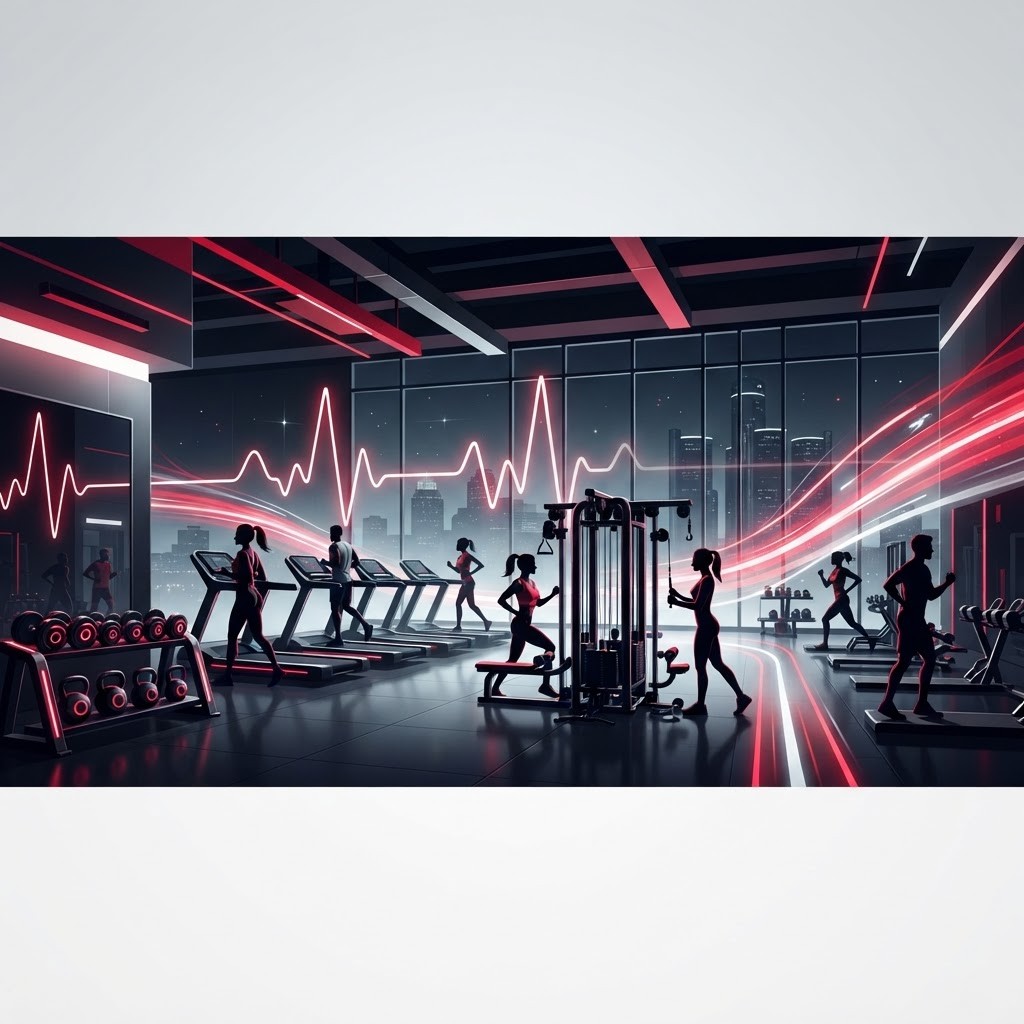
Detroit's Fitness Culture Is Having a Moment
Detroit has always had a serious training culture, most visibly in boxing, where the city's gyms produced generations of national champions. What has changed is breadth. The past decade brought boutique cycling and strength studios into Midtown and Corktown, renovated community recreation centers back into service, expanded riverfront and greenway infrastructure for runners and cyclists, and drew national gym chains into neighborhood retail corridors.
For residents, that means the practical question is no longer whether a good gym exists nearby but which training environment actually fits their goals, schedule, and budget. Those three factors predict long-term adherence far better than equipment lists.
How to Evaluate a Fitness Center
Beyond cleanliness and equipment condition, consider proximity, since travel time is the most common reason memberships go unused. Look at peak-hour crowding for the times you can realistically attend, staff qualifications including nationally accredited personal training certifications, programming quality in group classes, contract terms and cancellation policies, and whether the culture feels welcoming for your experience level. A gym that intimidates a beginner is not a good gym for that beginner, regardless of its equipment.
1. Detroit Athletic Club Fitness Center
The city's historic private club offers a full-service athletic facility with strength and cardio floors, group exercise programming, aquatics, squash, and professional instruction in a notably well-maintained setting. Membership is exclusive and priced accordingly, but for members the combination of facilities, service, and social atmosphere is difficult to match anywhere in the city.
2. Detroit Boxing Gym Community
Boxing remains central to Detroit's fitness identity, and the city's boxing gyms deliver conditioning that few commercial facilities approach. Beyond competitive training, these gyms serve broad community roles, offering youth programs that combine athletic discipline with mentorship. Bag work, footwork drills, and structured rounds build cardiovascular capacity, coordination, and confidence simultaneously.
3. Midtown Strength and Conditioning
Barbell-focused facilities serve lifters who want platforms, quality bars, calibrated plates, and coaching in squat, bench, deadlift, and Olympic lifts. This gym emphasizes technique coaching for newer lifters and structured programming rather than random daily workouts, which is the single biggest determinant of long-term strength progress.
4. Corktown Cycling and Cardio Studio
Boutique indoor cycling has found a durable audience because it solves motivation problems: fixed class times, an instructor driving intensity, and a group environment that makes hard efforts feel achievable. Complementary rowing and interval formats extend the offering, and shorter forty-five-minute sessions fit tight schedules.
5. Detroit Riverfront Fitness
Facilities positioned along the riverwalk take advantage of one of the city's best amenities, pairing indoor equipment with immediate access to miles of protected walking, running, and cycling path. For members who prefer training outdoors in warmer months and indoors through Michigan winters, that combination has real practical value.
6. Wayne County Community Recreation Centers
Public recreation centers remain the most affordable path to consistent exercise for many families. Typical offerings include gymnasiums, weight rooms, indoor pools, walking tracks, youth athletic leagues, and senior fitness classes at nominal membership rates. Their community function extends well beyond fitness, providing safe programming space for young people after school.
7. Motor City Functional Fitness
Group functional training programs combine weightlifting, gymnastics-style movements, and metabolic conditioning in coach-led classes. The strongest facilities in this category scale every workout to individual capability, screen movement quality before adding load, and build community accountability that keeps attendance high. Coaching quality varies widely across this model, so trial classes are worth taking seriously.
8. Eastside Family YMCA
Full-service community organizations deliver unusual breadth: swim lessons for children, water aerobics for arthritis management, youth sports, personal training, group exercise, and childcare during workouts. Financial assistance programs based on household income mean membership remains attainable, and chronic disease programs for diabetes prevention and cancer survivorship add genuine clinical value.
9. Detroit Yoga and Mobility Collective
Flexibility, balance, and breath work are not accessories to fitness but components of it, particularly for desk workers and aging athletes. Studios offering a spectrum from restorative and gentle classes to vigorous vinyasa allow members to match intensity to recovery needs. Instructors trained in anatomy and injury modification make classes safe for participants managing back or joint issues.
10. Great Lakes Personal Training Studio
Private studios built around one-on-one and small-group coaching suit clients who need close supervision, are returning from injury, or have specific performance goals. Individualized assessment, progressive programming, and accountability produce faster results than self-directed training, and appointment-based scheduling eliminates crowding entirely.
Trends Shaping the Fitness Industry
Hybrid membership models combining in-person access with app-based programming have become standard, letting members train while traveling or on days they cannot get to the gym. Strength training has decisively displaced cardio-only routines in mainstream advice, driven by evidence on muscle mass, bone density, and metabolic health across the lifespan. Recovery has become a commercial category of its own, with saunas, cold plunges, and compression tools appearing in mid-tier facilities. Wearable tracking of heart rate variability and sleep has pushed programming toward readiness-based intensity adjustment. Finally, inclusive programming for older adults, larger bodies, and complete beginners has expanded meaningfully, addressing populations the industry long neglected.
Making a Membership Actually Work
Choose a facility within a short trip of home or work and visit during the hours you plan to train, not during a quiet tour slot. Start with a frequency you can sustain, since three consistent sessions weekly beat an ambitious six-day plan abandoned in three weeks. Include resistance training at least twice per week regardless of your primary goal. Track something simple, whether weights lifted, distance covered, or sessions attended, because visible progress sustains motivation. Read cancellation terms before signing, and use any included assessment or introductory training sessions, which many members never claim.
Final Thoughts
Detroit's fitness options now stretch from historic boxing gyms and affordable recreation centers to boutique studios and private training suites. The best facility is the one you will actually visit regularly, staffed by people who make you feel capable rather than out of place. With the range available across the city, most residents can find that fit within a few miles of home.
