
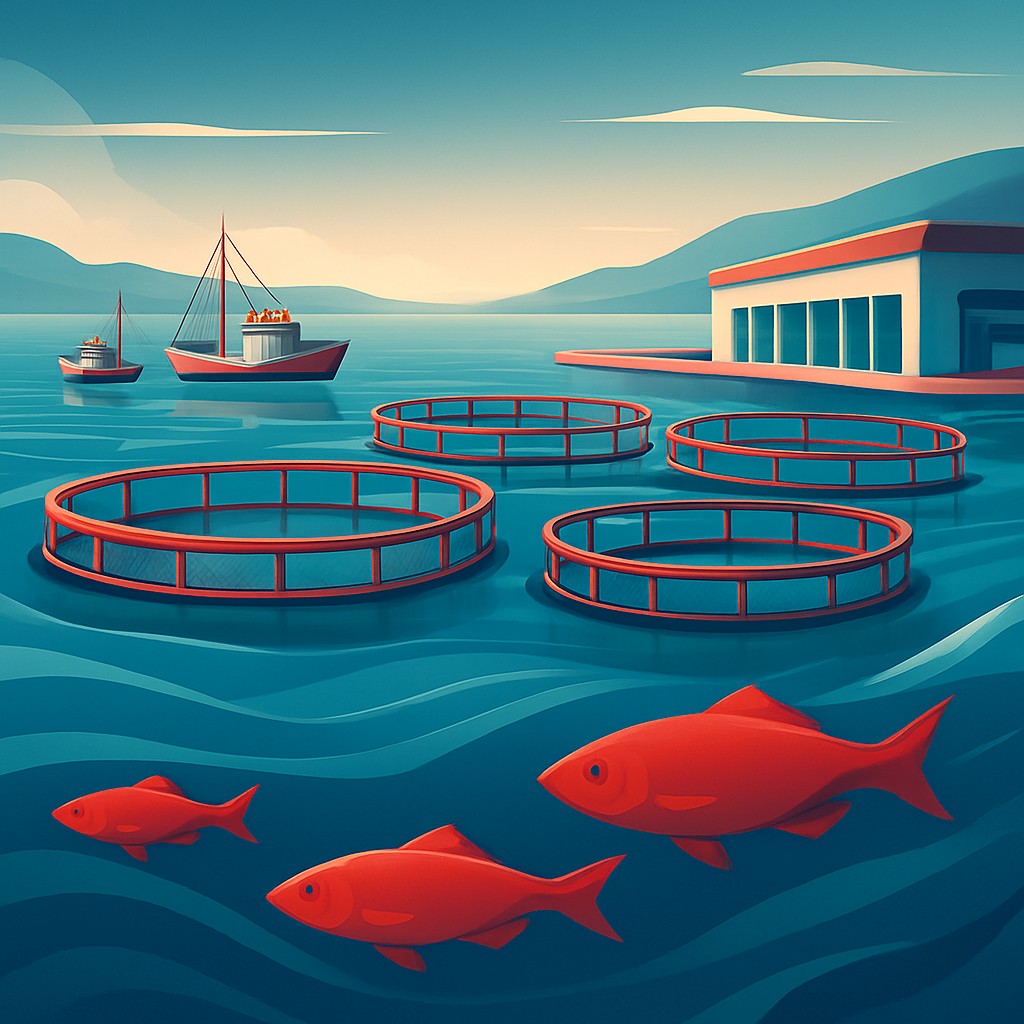
Harnessing the Bounty of the Seas
With extensive coastlines along the Red Sea and the Arabian Gulf, Saudi Arabia possesses significant potential for fisheries and aquaculture. The Kingdom has recognized seafood as a key pillar of its food security strategy and is investing heavily in sustainable aquaculture to reduce import dependence and meet rising domestic demand. Fishery companies are central to this effort, combining modern technology with responsible practices to produce high-quality seafood.
The sector encompasses both wild-capture fisheries and rapidly expanding aquaculture operations that farm shrimp, fish, and other marine species. As part of Vision 2030, the government has set ambitious targets to grow seafood production, positioning fisheries as an important contributor to the Kingdom's blue economy.
The Significance of the Fishery Sector
Seafood is an increasingly popular source of protein in Saudi Arabia, and domestic production helps ensure a stable, affordable supply. Fishery companies support food security, create coastal employment, and stimulate economic activity in regions that depend on marine resources. Aquaculture, in particular, offers a scalable and sustainable path to meeting growing demand without depleting wild fish stocks.
By developing local production capacity, these companies reduce the Kingdom's reliance on imported seafood while promoting environmentally responsible practices that protect marine ecosystems.
Leading Fishery Companies in the Kingdom
At the forefront is the National Aquaculture Group (NAQUA), one of the largest integrated aquaculture operations in the world, producing shrimp and fish along the Red Sea coast. NAQUA's scale and commitment to sustainability make it a global leader.
Tabuk Fisheries Company (Asماك) and Jazan Fisheries are important regional producers, while Saudi Fisheries Company has a long history of supplying seafood to the domestic market. Almuntazah Markets and Arabian Aquaculture Company contribute to both production and distribution.
Other notable players include Red Sea Aquaculture, Aquaculture Vision, and Saudi Aquaculture Society members who collaborate to advance industry standards. Companies such as Gulf Marine Fisheries and National Prawn Company further strengthen the sector through specialized shrimp and fish farming operations.
Innovation and Sustainability in Aquaculture
Saudi fishery companies are adopting advanced aquaculture technologies to boost productivity and minimize environmental impact. Recirculating aquaculture systems, water quality monitoring, and disease management protocols ensure healthy stocks and efficient resource use. Many operations are powered by renewable energy and designed to protect surrounding marine habitats.
Sustainability certifications and adherence to international best practices have become important differentiators, reassuring consumers and export partners of the quality and responsibility behind Saudi seafood. Research partnerships are driving improvements in breeding, feed efficiency, and species diversification.
Economic and Social Contributions
The fishery sector delivers substantial benefits to the Saudi economy and coastal communities. It generates employment in fishing, processing, logistics, and retail, while supporting ancillary industries such as cold storage and packaging. Locally produced seafood enhances the variety and freshness of products available to consumers.
As the sector grows, it also attracts investment and expertise, fostering innovation and creating opportunities for entrepreneurs and skilled professionals across the Kingdom.
Conclusion
Saudi Arabia's fishery companies are charting a course toward a more secure and sustainable seafood future. Led by global aquaculture pioneers like NAQUA and supported by a network of dedicated regional producers, the sector is well positioned to meet rising demand while safeguarding marine resources. As the Kingdom continues to invest in its blue economy, these companies will play an essential role in nourishing the nation, creating jobs, and demonstrating that responsible aquaculture can thrive in the waters of the Red Sea and Arabian Gulf.
