
Philadelphia's Seafood Supply Network
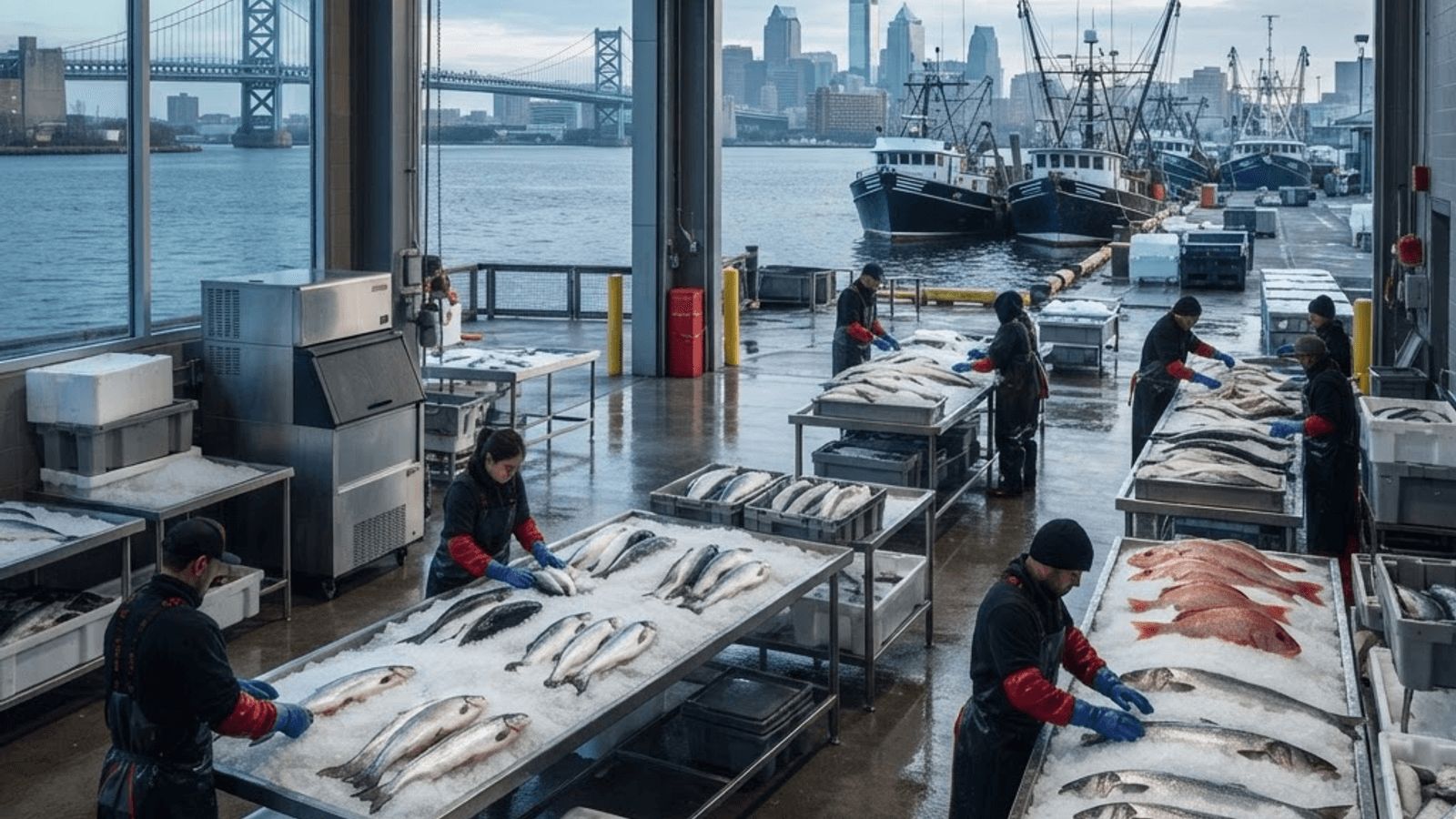
Philadelphia's location between Atlantic ports, major highways, and a large restaurant market supports a diverse seafood trade. Although the city is not dominated by commercial fishing fleets, its distributors, processors, markets, and aquaculture connections move substantial volumes. The following companies are relevant to wholesale buyers and seafood-focused consumers across the region.
1. Samuels and Son Seafood
Samuels and Son Seafood is one of Philadelphia's most prominent seafood distributors. The company supplies restaurants and culinary professionals with finfish, shellfish, specialty products, and value-added cuts. Broad sourcing relationships and chef-oriented product knowledge are major strengths in a market where quality and timing are inseparable.
2. Giuseppe's Market at Samuels Seafood
Giuseppe's Market extends access to a wide seafood assortment while reflecting the buying expertise of the larger Samuels operation. It is useful for smaller professional buyers and serious home cooks seeking variety. Product handling, turnover, and knowledgeable guidance help customers choose species suited to different preparations.
3. Anastasi Seafood
Anastasi Seafood is a longstanding Philadelphia seafood business associated with the Italian Market. Its combination of market retail, restaurant service, and seafood experience gives it a distinctive local profile. Buyers value familiarity with whole fish, shellfish, and traditional preparations.
4. John Yi Fish Market
John Yi Fish Market is a recognizable Reading Terminal Market vendor offering fresh fish and shellfish in a high-traffic public market. Strong turnover can support freshness, while visible displays allow buyers to assess products directly. The business contributes to the city's accessible everyday seafood culture.
5. Small World Seafood
Small World Seafood uses a direct community pickup model to connect Philadelphia customers with carefully selected seafood. Its approach emphasizes communication, seasonal variety, and culinary education. Preordering can reduce waste while giving consumers clearer insight into what is arriving each week.
6. George L. Wells Meat Company
George L. Wells is a broad food distributor with seafood among its offerings to hospitality and institutional customers. Consolidating proteins and related items may simplify receiving for busy kitchens. Buyers should compare seafood depth, delivery windows, minimums, and special-order capabilities.
7. Seafood America
Seafood America operates as a regional seafood processor and distributor, supporting foodservice customers with fresh and frozen products. Processing capabilities can improve portion consistency and reduce kitchen labor. Reliable packaging and temperature control are crucial when products move through several distribution stages.
8. Phillips Foods
Phillips Foods is a Mid-Atlantic seafood company best known for crab products and prepared seafood. Philadelphia operators use such suppliers when consistency and labor savings are priorities. Buyers should understand species, origin, ingredient statements, and frozen-storage requirements when comparing prepared products.
9. True Chesapeake Oyster Co.
True Chesapeake Oyster Co. represents the region's expanding shellfish aquaculture sector. Chesapeake oysters offer restaurants a nearby product with a strong sense of place. Shellfish tags, harvest dates, storage temperatures, and handling procedures must remain central to purchasing decisions.
10. Basciani Foods
Basciani Foods is primarily recognized for mushrooms and specialty produce, but its broader foodservice relationships illustrate the value of integrated regional distribution to Philadelphia kitchens. For operators consolidating perishables, supplier coordination can reduce deliveries and receiving pressure, though seafood-specific expertise should never be compromised.
How to Assess Seafood Suppliers
Ask how products are harvested, packed, transported, and traced. Fresh fish should have clean aroma, firm flesh, and proper icing; shellfish require complete tags and strict temperature control. Clarify whether weights are gross or net, whether products were previously frozen, and how claims are handled. Menu needs should guide the balance between whole fish, fabricated portions, and frozen inventory.
Seafood Trends in Philadelphia
Chefs and diners increasingly seek underused species, local oysters, transparent harvest methods, and reduced packaging. Frozen-at-source products are also gaining respect because rapid freezing can preserve quality and stabilize supply. Strong suppliers help customers move beyond familiar species while maintaining food safety, responsible sourcing, and a realistic price point.
