
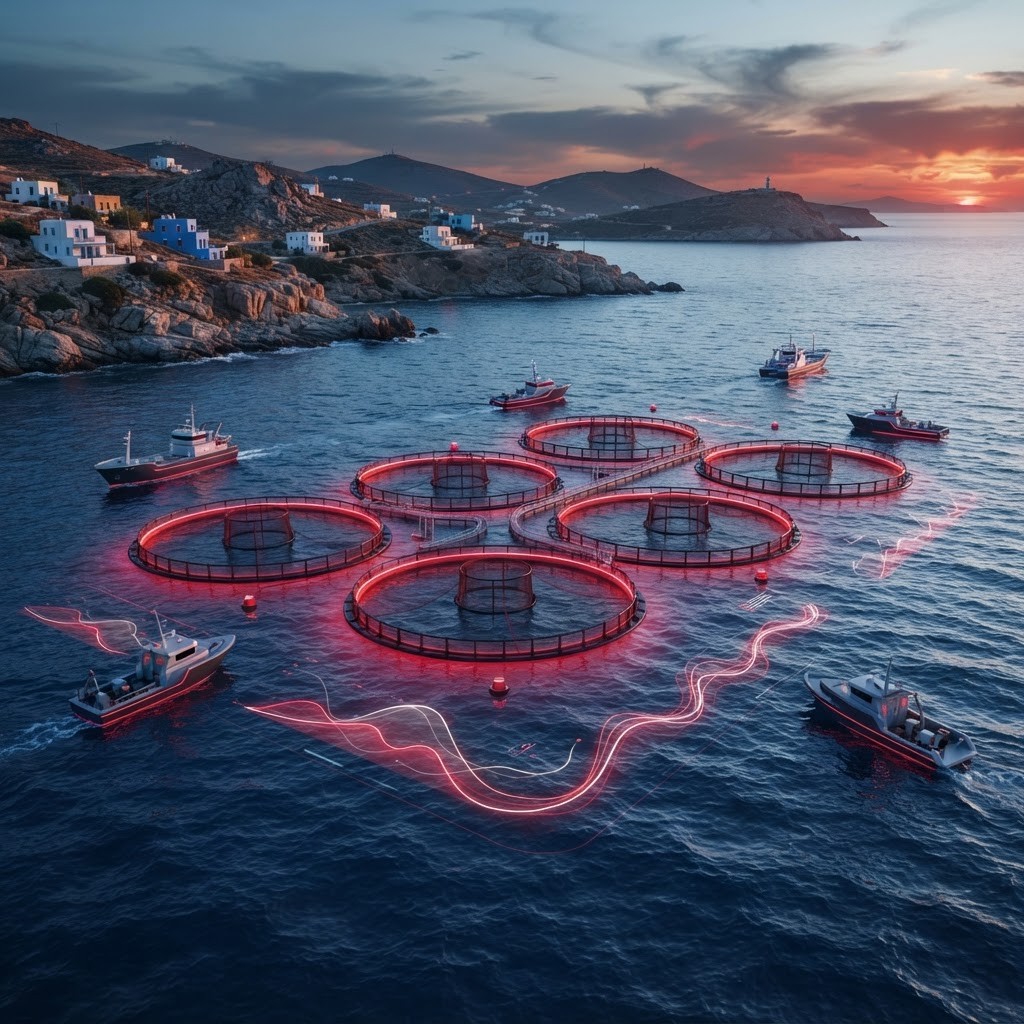
Greece: A Natural Home for Fisheries
Surrounded by the Aegean, Ionian, and Mediterranean seas, Greece possesses one of the longest and most intricate coastlines in Europe. This geography has made fishing a way of life for coastal communities for thousands of years. Today Greece is a European leader in aquaculture, particularly in farmed sea bass and sea bream, and its fishery companies supply markets across the continent and beyond. The sector combines traditional fishing knowledge with advanced aquaculture technology to deliver fresh, high-quality seafood.
The Greek fishery industry is a significant contributor to exports and rural coastal employment. Its success rests on clean waters, favorable temperatures, and decades of investment in sustainable fish farming that meets rigorous European standards.
What Makes a Top Fishery Company
Leading fishery companies in Greece excel in several areas. They maintain strict quality control from hatchery to harvest, invest in sustainable farming practices, and hold internationally recognized certifications for food safety and environmental responsibility. Efficient cold-chain logistics ensure freshness during export, while vertical integration, from feed to processing, gives the strongest players full control over quality and traceability.
Leading Fishery and Aquaculture Companies
Avramar is the largest aquaculture producer in Greece and one of the biggest in the Mediterranean. Formed through the consolidation of major producers, it specializes in sea bass and sea bream, supplying supermarkets and wholesalers across Europe with consistent volumes and reliable quality.
Selonda Aquaculture has a long history in Greek fish farming and is recognized for its expertise in breeding and production, contributing significantly to the country's aquaculture output.
Nireus Aquaculture built a strong reputation for research-driven farming and genetics, helping advance the productivity and health of farmed Mediterranean species.
Andromeda Group operates extensive farming sites and processing facilities, serving international clients with premium fresh and processed seafood.
Specialists and Regional Producers
Kefalonia Fisheries is well known for high-quality sea bass and sea bream farmed in the pristine waters around the Ionian island, emphasizing careful husbandry and environmental care. Galaxidi Marine Farm combines fish farming with modern processing and is publicly traded, reflecting the growing scale and professionalism of the Greek aquaculture sector.
Smaller regional producers throughout the Aegean also play an important role, supplying local markets and niche export channels with fresh catch and specialty species. Their traditional methods complement the industrial scale of the larger companies and help preserve artisanal fishing heritage.
Sustainability at the Core
Sustainability is a defining theme for the modern Greek fishery industry. Responsible companies manage stocking densities carefully to protect fish welfare and water quality. Many participate in certification schemes that verify environmentally sound practices and responsible sourcing of feed. Efforts to reduce reliance on wild-caught fishmeal, minimize waste, and monitor sea conditions are increasingly common among leading producers.
The clean Mediterranean waters that make Greek aquaculture possible are also a resource that companies are motivated to protect. Environmental monitoring, disease prevention, and habitat conservation are integral to long-term viability, and the best operators treat sustainability as both a responsibility and a competitive advantage.
Industry Trends and Innovation
Innovation is transforming Greek fisheries. Automated feeding systems, underwater cameras, and data analytics help farmers optimize growth while reducing waste. Selective breeding programs improve resilience and quality, and new processing technologies extend shelf life for distant markets. Consumer demand for healthy, protein-rich Mediterranean seafood continues to grow, and Greek producers are well positioned to meet it with fresh, traceable products.
Export diversification is another trend, as companies expand beyond traditional European markets into North America, the Middle East, and Asia. Branding Greek seafood around its Mediterranean origin and sustainable credentials is helping producers capture premium value.
Challenges Facing the Sector
Like all aquaculture regions, Greece faces challenges including rising feed costs, climate-related sea temperature changes, and competition from other producing nations. Regulatory compliance and environmental scrutiny require ongoing investment. Yet the industry's scale, expertise, and natural advantages position it strongly for continued growth, particularly as global appetite for farmed Mediterranean fish rises.
Economic and Community Impact
The fishery sector is more than an export industry; it is a cornerstone of coastal community life in Greece. Aquaculture and fishing provide vital employment in regions where alternative opportunities are limited, supporting families and sustaining local economies from small Aegean islands to mainland ports. The industry also underpins a wider network of related businesses, including feed producers, packaging suppliers, transport operators, and processing facilities. Traditional small-scale fishing continues alongside modern aquaculture, preserving cultural heritage and supplying local tavernas and markets with fresh catch. By balancing large-scale production with artisanal fishing, Greece maintains both economic strength and the authentic character that makes its seafood so highly regarded around the world.
Conclusion
Greece's fishery companies combine natural advantages with modern expertise to lead the Mediterranean aquaculture industry. From giants like Avramar to specialized producers such as Kefalonia Fisheries and Galaxidi Marine Farm, these companies deliver fresh, sustainable seafood to the world. Backed by clean waters, deep tradition, and continuous innovation, the Greek fishery sector remains a vital and dynamic part of the national economy.
