
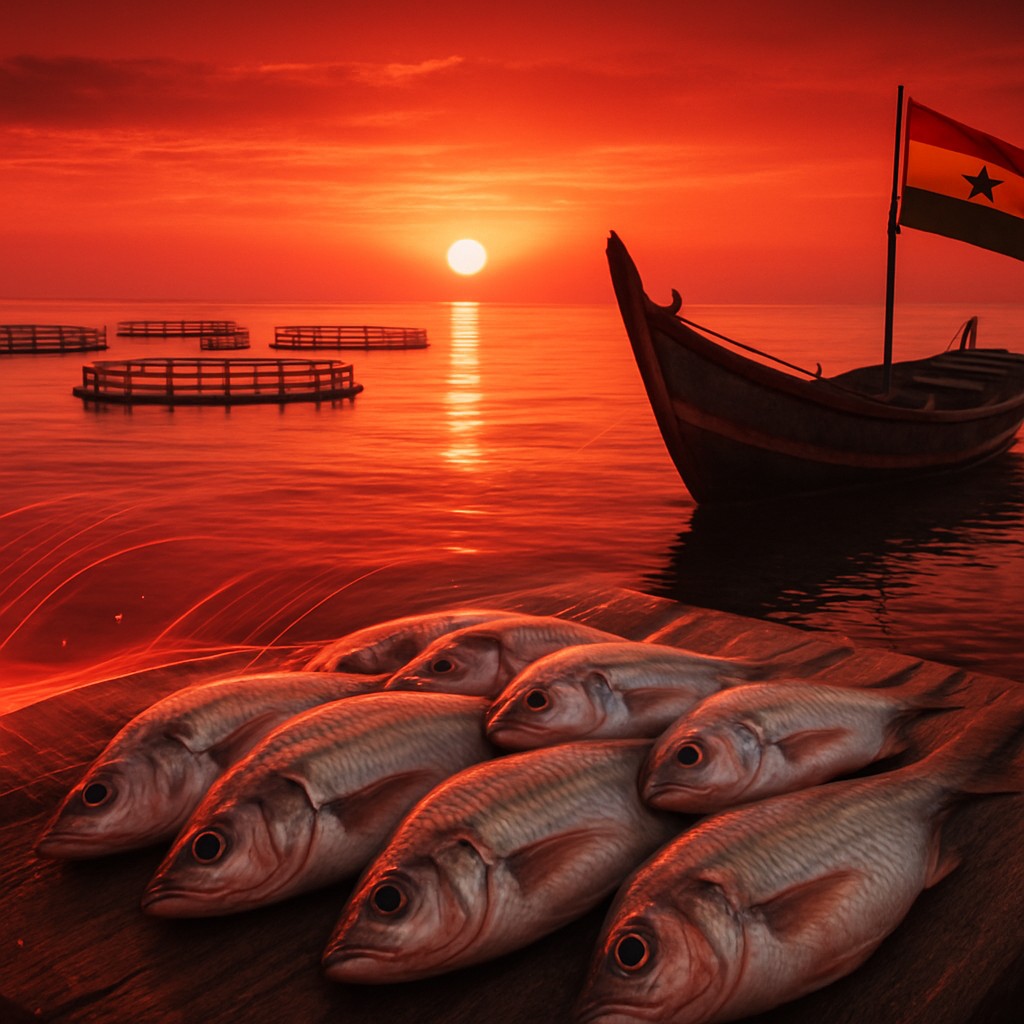
Ghana's Rich Fishing Heritage
Ghana's relationship with fishing stretches back centuries, shaped by its extensive Atlantic coastline and the vast freshwater resources of Lake Volta, one of the largest artificial lakes in the world. Fish is a dietary staple for most Ghanaians, providing an essential source of protein and supporting the livelihoods of coastal and lakeside communities. The fishery sector encompasses marine capture, inland fishing, and a rapidly growing aquaculture industry.
The leading fishery companies in Ghana operate across this spectrum, from deep-sea trawling and tuna processing to tilapia and catfish farming. These businesses are central to national food security, export earnings, and employment for thousands of people involved in fishing, processing, and distribution.
What Makes a Fishery Company Stand Out
Top fishery companies distinguish themselves through sustainable harvesting, modern processing facilities, and reliable cold chain logistics. Maintaining freshness and quality from catch to consumer is critical, requiring investment in refrigeration, packaging, and efficient distribution networks.
Compliance with food safety standards and sustainable fishing practices is increasingly important, especially for companies targeting export markets. The best companies balance commercial success with responsible resource management, ensuring that fish stocks remain healthy for future generations.
The Rise of Aquaculture
Aquaculture has emerged as one of the most dynamic segments of Ghana's fishery sector. As wild fish stocks face pressure from overfishing, fish farming offers a sustainable alternative to meet growing demand. Tilapia farming, particularly on Lake Volta, has expanded significantly, with companies operating large cage farms and integrated hatcheries.
Catfish farming also contributes to the sector, supplying both fresh and processed products to local markets. Aquaculture companies invest in quality feed, disease management, and breeding programs to maximize productivity. This growth not only boosts food supply but also creates employment and reduces reliance on imports.
Marine Fishing and Processing
Ghana's marine fishing industry includes artisanal fishers using traditional canoes and larger commercial operations employing trawlers and tuna vessels. Tuna is one of Ghana's most valuable fishery exports, with processing companies canning and packaging products for international markets.
Processing facilities add significant value, transforming raw catch into smoked, frozen, and canned products. These companies generate substantial employment, particularly for women who play a major role in fish processing and trading along the coast. Modern processing plants adhere to strict hygiene and quality standards to meet export requirements.
Sustainability and Responsible Fishing
Sustainability is a pressing concern for Ghana's fishery sector. Overfishing, illegal fishing, and the use of harmful methods threaten the long-term health of fish stocks. Leading companies are responding by adopting responsible practices, supporting closed fishing seasons, and investing in aquaculture to reduce pressure on wild populations.
Certification and traceability are becoming more common, particularly for export-oriented companies. By demonstrating sustainable sourcing, these businesses gain access to premium markets and contribute to the conservation of marine and freshwater ecosystems.
Challenges in the Fishery Industry
The fishery sector faces several challenges. Declining wild fish stocks, driven by overfishing and environmental pressures, reduce catches and threaten livelihoods. High operating costs, including fuel and equipment, squeeze margins for fishing companies. Post-harvest losses due to inadequate storage and processing facilities remain a significant problem.
Aquaculture companies contend with the rising cost of quality feed, disease outbreaks, and access to financing. Addressing these challenges requires investment, innovation, and supportive policies that promote sustainable growth across the sector.
Economic and Social Impact
The fishery sector is a major contributor to Ghana's economy and social fabric. It provides affordable protein to millions, supports coastal and lakeside communities, and generates foreign exchange through exports. Women, in particular, benefit from opportunities in fish processing and trading, making the sector an important driver of female economic empowerment.
By creating jobs and supporting local economies, fishery companies play a crucial role in reducing poverty and promoting development in fishing communities across the country.
The Future of Ghana's Fishery Sector
The future of Ghana's fishery industry lies in sustainable intensification, particularly through aquaculture. Continued investment in fish farming, modern processing, and cold chain infrastructure will enhance productivity and reduce losses. Technology, including improved breeding and feed formulation, will further boost output.
As demand for fish continues to rise, companies that embrace sustainability and innovation are well positioned for growth. Strengthening value addition and export capacity offers additional opportunities to increase earnings and create jobs.
Conclusion
Ghana's leading fishery companies are vital to food security, employment, and economic growth. By balancing commercial ambition with sustainable practices, these businesses ensure a steady supply of fish while protecting precious aquatic resources. As aquaculture expands and processing capacity grows, the fishery sector is set to remain a cornerstone of Ghana's economy for years to come.
