
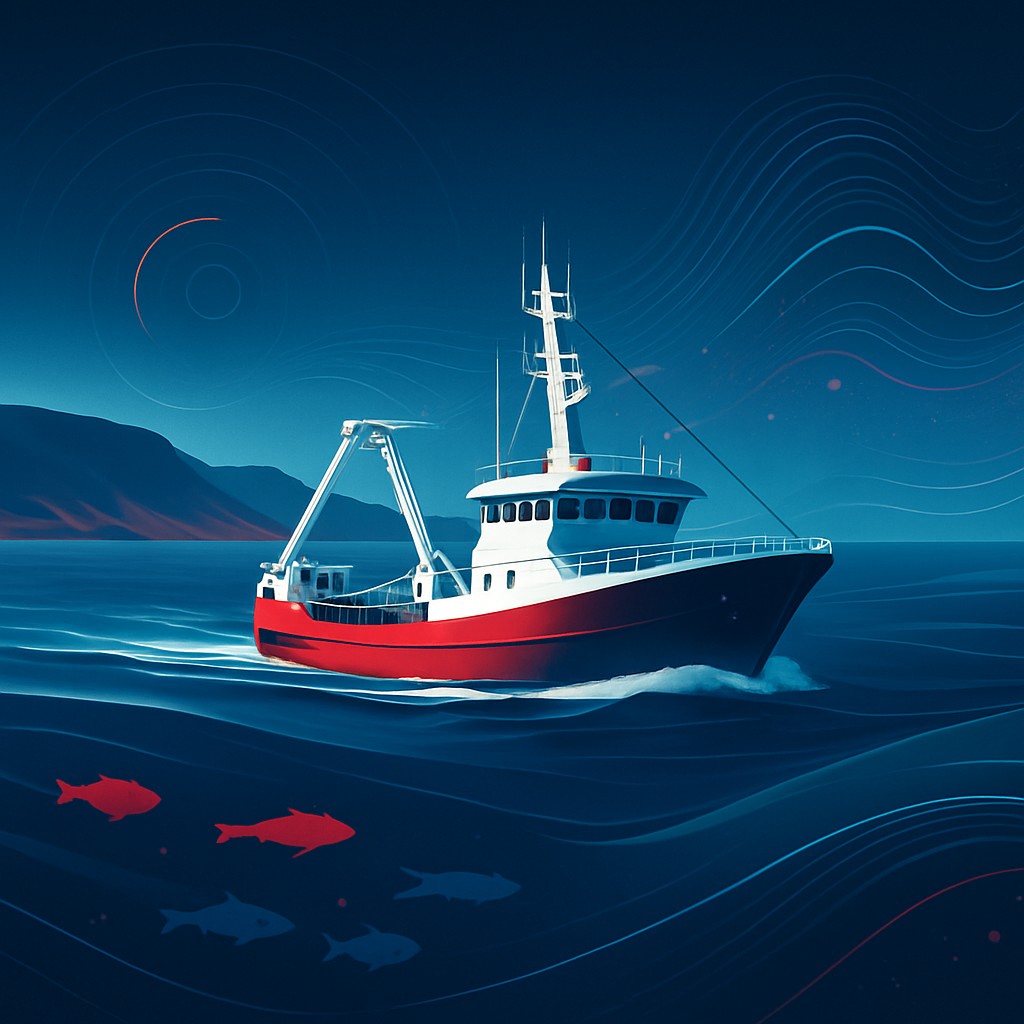
The Backbone of Australian Seafood
Australia's fishery industry is one of the most respected in the world, built on a foundation of strict sustainability regulations, clean coastal waters, and a growing global appetite for premium seafood. Surrounded by the Indian, Southern, and Pacific Oceans, the country enjoys access to one of the largest marine territories on earth. This natural advantage has allowed a number of fishery companies to build strong reputations both domestically and across export markets in Asia, Europe, and North America.
The sector is tightly managed by federal and state authorities, which means responsible quota systems, traceability, and environmental stewardship are core to how leading companies operate. Below, we explore ten of the best fishery companies in Australia, each recognised for their contribution to quality, innovation, and the long-term health of the nation's fisheries.
Leading Fishery Companies Driving the Industry
Austral Fisheries is widely regarded as a benchmark for sustainability, becoming notable for its commitment to carbon-neutral seafood production. Known for its Patagonian toothfish and prawn operations, the company combines deep-sea expertise with rigorous environmental certification.
Tassal Group stands out as a major force in Australian salmon and prawn aquaculture. Based in Tasmania, it has invested heavily in farming technology and animal welfare, supplying fresh and smoked seafood to retailers nationwide.
Huon Aquaculture is another Tasmanian pioneer, celebrated for its premium Atlantic salmon and its transparent approach to fish farming. Its focus on water quality and feed innovation has earned it loyal customers in both retail and food service.
Sea Harvest Australia has carved out a strong position in wild-catch operations, emphasising responsible quotas and modern processing facilities that maintain freshness from ocean to plate.
Specialists in Wild-Catch and Premium Exports
A. Raptis & Sons is one of the country's most established seafood names, with a long heritage in prawn trawling and wild-catch fisheries across northern Australia. The company is known for its scale and its strong export relationships.
Geraldton Fishermen's Co-operative, the force behind the renowned Brolos rock lobster brand, represents a collective of Western Australian fishers. It is a global leader in the live lobster trade and a model of cooperative success.
M.G. Kailis has a rich history in pearling and prawn fishing, building a reputation for premium wild-caught products and a vertically integrated supply chain that ensures consistent quality.
Clean Seas Seafood specialises in Yellowtail Kingfish aquaculture, pioneering sustainable ocean farming techniques in South Australia and exporting to discerning chefs worldwide.
Innovation, Sustainability, and Reputation
De Costi Seafoods has become a trusted household name through its wide-ranging retail presence, offering everything from fresh fish to value-added seafood products with a focus on accessibility and quality.
Ferguson Australia rounds out the list as a family-owned business renowned for its premium Spencer Gulf King Prawns and Coffin Bay oysters, supplying restaurants and markets that demand the very best.
What unites these companies is a shared dedication to sustainable practices. Australia's fisheries are governed by some of the strictest management frameworks globally, encouraging quota systems, bycatch reduction, and habitat protection. Many of these companies hold independent sustainability certifications, reassuring buyers that their seafood is sourced responsibly.
Industry Trends Shaping the Future
The Australian fishery industry is evolving rapidly. Aquaculture is expanding to meet rising demand while reducing pressure on wild stocks, and technology such as automated monitoring, data-driven quota management, and improved cold-chain logistics is enhancing both efficiency and traceability. Consumers increasingly want to know where their seafood comes from, and leading companies are responding with transparent sourcing stories.
Export demand, particularly from Asian markets, continues to reward premium products like rock lobster, abalone, and tuna. At the same time, domestic consumers are showing greater interest in locally farmed salmon and sustainable wild-catch options.
Conclusion
The ten companies highlighted here represent the strength and diversity of Australia's fishery sector. From carbon-neutral pioneers to cooperative success stories and family-run specialists, each plays a vital role in delivering high-quality seafood while protecting the marine environment for future generations. As sustainability and innovation continue to drive the industry forward, these businesses remain at the forefront of one of Australia's most valuable natural resource sectors.
