
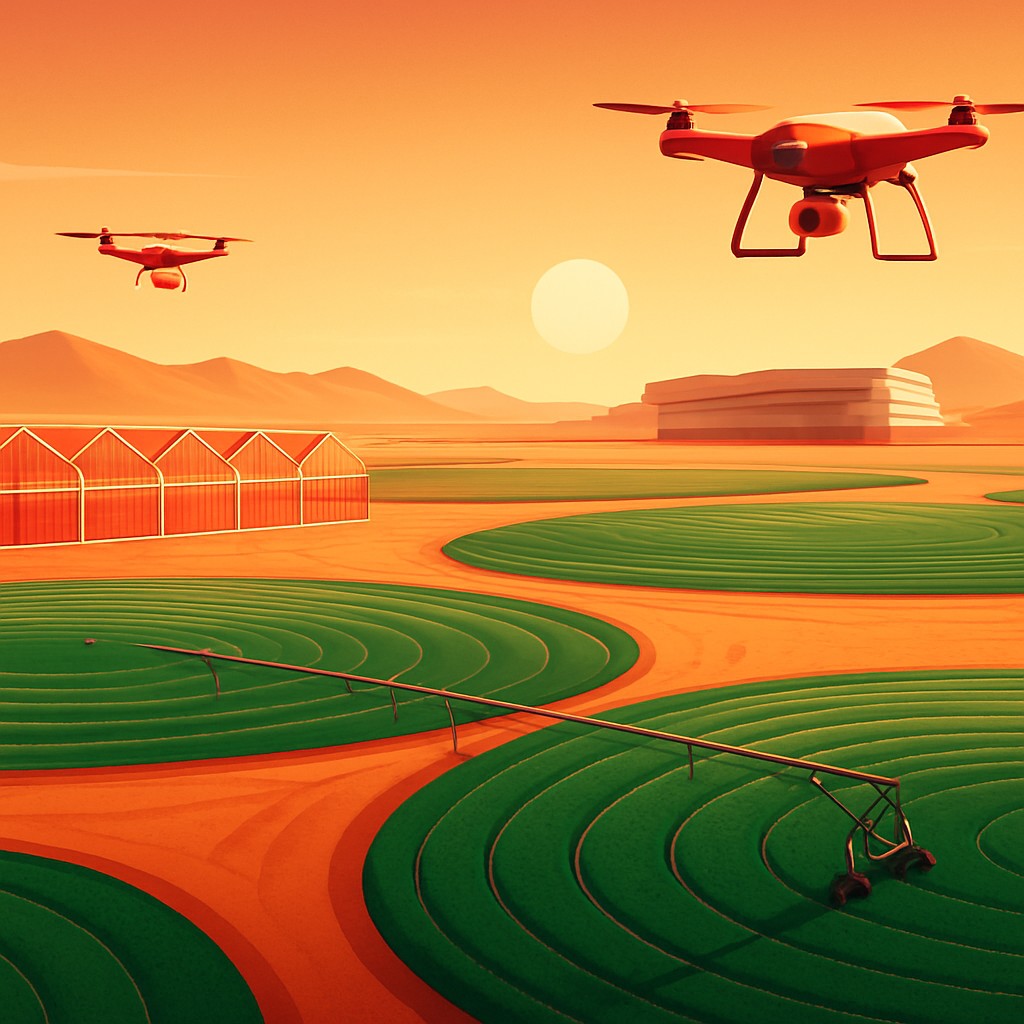
Cultivating Growth in the Saudi Desert
Agriculture in Saudi Arabia has come a long way from its modest beginnings. Despite the challenges of an arid climate and limited water resources, the Kingdom has developed a sophisticated agricultural sector through innovation, investment, and determination. Farming companies have been at the forefront of this transformation, leveraging advanced technology and sustainable practices to produce food for a growing population while supporting national food security goals under Vision 2030.
These companies cultivate a surprising diversity of crops and livestock, from dates and wheat to dairy, poultry, and fresh vegetables. Their success demonstrates how modern agriculture can flourish even in the most demanding environments.
The Importance of Agriculture to the Kingdom
Food security is a strategic priority for Saudi Arabia, and farming companies play a central role in achieving it. By producing food domestically, these enterprises reduce reliance on imports, create employment, and contribute to rural development. They also support the broader economy by supplying raw materials to food processing industries and retail markets.
The sector's importance has grown as the Kingdom seeks to balance agricultural production with sustainable water management, encouraging the cultivation of crops suited to local conditions and the adoption of efficient irrigation technologies.
Leading Farming Companies in Saudi Arabia
At the forefront stands Almarai, the largest dairy and food company in the region, operating extensive farms and producing milk, juice, bakery products, and poultry. Almarai's vertically integrated model sets a benchmark for agricultural excellence.
NADEC (National Agricultural Development Company) is another giant, with vast operations spanning dairy, crops, and food processing. Al Watania Agriculture is renowned for its wheat, fruit, and poultry production, while Tabuk Agricultural Development Company (TADCO) specializes in crops, dairy, and fisheries in the Kingdom's northwest.
Al Safi Danone contributes significantly to the dairy sector, and Saudia Dairy & Foodstuff Company (SADAFCO) is well known for its milk and food products. Astra Farms produces high-quality vegetables and fruits, while Jazadco (Al-Jouf Agricultural Development Company) excels in olives and grains. Hail Agricultural Development Company (HADCO) and Arabian Agricultural Services Company (ARASCO) round out the list with diverse agricultural and animal feed operations.
Innovation and Sustainability
Saudi farming companies are embracing cutting-edge technology to overcome environmental challenges. Precision agriculture, drip irrigation, and greenhouse cultivation maximize productivity while conserving water. Vertical farming and hydroponics are gaining traction, enabling year-round production of fresh produce with minimal resource use.
Sustainability is woven into the sector's future, with companies investing in solar-powered operations, water recycling, and soil management techniques. Many are also exploring overseas agricultural investments to diversify supply and strengthen food security.
Benefits to the Economy and Society
The contributions of farming companies extend well beyond food production. They generate thousands of jobs, support rural communities, and stimulate related industries such as logistics, packaging, and food processing. By producing fresh, locally grown food, they enhance the quality and availability of nutritious products for Saudi consumers.
These companies also play an educational role, demonstrating sustainable farming practices and inspiring the next generation of agricultural entrepreneurs.
Conclusion
The farming companies of Saudi Arabia exemplify resilience and innovation, transforming a challenging landscape into a productive agricultural sector. From dairy leaders like Almarai and NADEC to specialized crop producers, these enterprises are vital to the Kingdom's food security and economic diversification. As technology advances and sustainability becomes ever more central, these companies will continue to cultivate growth, nourish the nation, and shape a resilient agricultural future for Saudi Arabia.
