
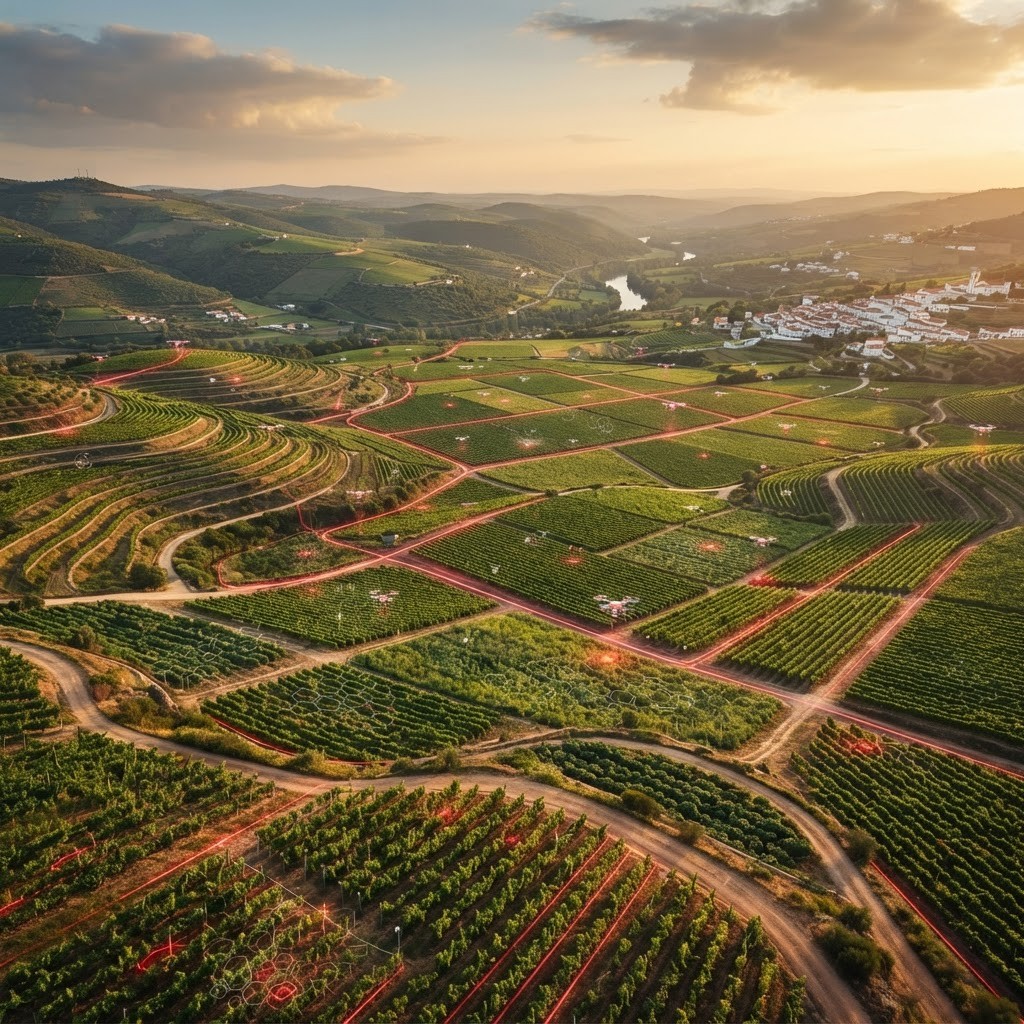
Portugal's Thriving Agricultural Sector
Agriculture holds a special place in Portugal's economy and culture, with a diverse landscape that supports a wide range of crops and farming activities. From the sun-drenched plains of the Alentejo to the fertile valleys of the north, Portuguese farms produce world-renowned products including wine, olive oil, fruits, vegetables, and cereals. The country's favorable climate and rich soils have made it a leading agricultural producer in Europe.
Modern farming companies in Portugal blend traditional knowledge with innovative techniques, embracing sustainable practices and advanced technology to improve efficiency and quality. These companies play a crucial role in feeding the nation, supplying export markets, and preserving Portugal's agricultural heritage. Their commitment to excellence has earned Portuguese agricultural products a strong reputation worldwide.
What Sets Leading Farming Companies Apart
The most successful farming companies distinguish themselves through a combination of quality, sustainability, and innovation. They invest in modern equipment, adopt precision farming techniques, and prioritize environmental stewardship. Strong supply chain management, certifications, and a focus on producing high-quality products for both domestic and export markets are also key differentiators. These companies balance respect for tradition with a forward-looking approach to farming.
Leading Farming Companies in Portugal
Sovena Group is a major player in olive oil and vegetable oil production, operating extensive agricultural and processing operations across the country.
Sogrape is one of Portugal's most prominent wine producers, cultivating vineyards and producing internationally acclaimed wines.
Vale da Rosa specializes in table grape production, known for its high-quality fruit and modern farming practices.
Frulact focuses on fruit-based products and ingredients, supporting the food industry with quality agricultural output.
Campotec is involved in fresh produce, providing vegetables and fruits with an emphasis on quality and efficient distribution.
Quinta do Crasto is a respected wine and olive oil producer, combining tradition with excellence in the Douro region.
Herdade do Esporao is renowned for its wine and olive oil production in the Alentejo, celebrated for quality and sustainability.
Lusiaves operates in poultry and agricultural production, serving both domestic and international markets.
Valouro is involved in poultry and animal feed production, supporting Portugal's food supply chain.
Companhia das Lezirias completes the list as one of Portugal's largest agricultural enterprises, managing extensive farming and forestry operations.
Trends Shaping Portuguese Agriculture
Portuguese agriculture is embracing significant transformation driven by sustainability and technology. Precision farming, which uses data, sensors, and automation to optimize crop management, is becoming increasingly common. This approach improves efficiency, reduces waste, and enhances product quality, positioning Portuguese farms at the forefront of modern agriculture.
Sustainability is a central theme, with growing adoption of organic farming, water conservation, and environmentally responsible practices. Consumer demand for organic and sustainably produced food continues to rise, encouraging farming companies to invest in green methods. Additionally, the export of premium products such as wine and olive oil remains a strong growth driver for the sector.
Why Portuguese Agriculture Stands Out
Portugal offers exceptional conditions for agriculture, including a favorable Mediterranean climate, diverse terrain, and rich agricultural traditions. These factors enable the production of high-quality, distinctive products that are highly valued in international markets. Portuguese wine, olive oil, and fresh produce enjoy strong reputations for quality and authenticity.
The country's commitment to sustainability and innovation further enhances its appeal, as does its position within the European Union, which facilitates export and ensures adherence to high standards. For buyers and partners seeking quality agricultural products, Portugal's farming companies offer reliability, excellence, and a rich heritage.
Regional Diversity in Portuguese Agriculture
One of the most fascinating aspects of Portuguese agriculture is its regional diversity. The Alentejo, with its vast plains and warm climate, is a powerhouse for olive oil, wine, cork, and cereals. The Douro Valley, one of the oldest demarcated wine regions in the world, produces celebrated wines including port. The lush north supports vineyards and diverse crops, while the Algarve is known for citrus, almonds, and figs. This regional variety enables Portugal to produce an extraordinary range of high-quality agricultural products, each shaped by its unique terroir and traditions.
Farming companies leverage this diversity to build distinctive product identities. Wines, olive oils, and produce from specific regions carry recognized quality designations that command premium prices and strong consumer loyalty. This connection between place and product is a defining strength of Portuguese agriculture, adding authenticity and value that resonate in international markets.
The Role of Agriculture in Rural Communities
Beyond its economic contribution, agriculture plays a vital social and cultural role in Portugal, particularly in rural areas. Farming companies provide employment, support local economies, and help preserve traditional landscapes and ways of life. Many enterprises are deeply embedded in their communities, sustaining generations of families and maintaining cultural heritage. As younger generations increasingly embrace modern farming techniques and entrepreneurship, agriculture is also becoming a driver of rural revitalization, attracting investment and innovation to areas that might otherwise face decline.
Final Thoughts
Portugal's farming companies embody the country's rich agricultural heritage and its embrace of modern innovation. The companies featured here represent the diversity and strength of Portuguese agriculture, from world-class wine producers to leading fresh produce operations. As sustainability and technology continue to shape the future of farming, these companies are well positioned to maintain Portugal's reputation for agricultural excellence on the global stage.
