
Agriculture at the Heart of Poland
Agriculture has long been central to Poland's identity and economy. With vast fertile plains, a favourable climate for diverse crops, and a deeply rooted farming culture, Poland ranks among the European Union's most significant agricultural producers. The sector supplies the domestic market with grains, fruits, vegetables, dairy, and meat while generating substantial export revenue across Europe and beyond.
Modern farming companies in Poland operate at the intersection of tradition and innovation. While family farms remain a defining feature of the rural landscape, large agribusinesses and cooperatives have invested heavily in mechanisation, precision agriculture, and food processing. This blend ensures both heritage and competitiveness in an increasingly demanding global market.
The Strengths of Polish Farming
Poland's agricultural success stems from several advantages. Abundant arable land supports large-scale grain and rapeseed cultivation, while regional specialisation enables high-quality fruit, vegetable, and dairy production. A skilled rural workforce, combined with EU support programmes and modern processing infrastructure, has elevated productivity and quality standards.
The country is particularly renowned for apples, soft fruits, poultry, and dairy products, many of which enjoy strong export demand. Leading farming companies leverage these strengths through integrated operations that span cultivation, processing, packaging, and distribution.
Leading Farming Companies in Poland
Goodvalley is a vertically integrated agricultural producer specialising in pork, grain, and renewable energy, recognised for sustainable, closed-loop farming practices.
Top Farms is one of the largest agricultural groups in Poland, managing extensive arable operations, seed production, and crop services at impressive scale.
Grupa Animex, a major player in meat production, integrates farming and processing to supply poultry and pork to domestic and international markets.
Cedrob is among the leading poultry producers in Europe, combining large-scale farming with modern processing and feed operations.
Mlekovita, a powerful dairy cooperative, unites thousands of milk producers and ranks as one of the biggest dairy processors in Central Europe.
Mlekpol is another leading dairy cooperative, known for high-quality milk products sourced from member farms across the country.
Agrii Polska provides crop production expertise, agronomy services, and farm inputs that support productivity across large farming operations.
Rolnicza Spoldzielnia cooperatives across Poland pool resources among local farmers, strengthening their market position and access to modern equipment.
Appolonia represents the country's renowned apple-growing sector, supplying fresh fruit to export markets where Polish apples are highly prized.
Danko Hodowla Roslin rounds out the list as a leading plant-breeding and seed-farming company, developing crop varieties suited to Polish conditions.
Trends Transforming Polish Agriculture
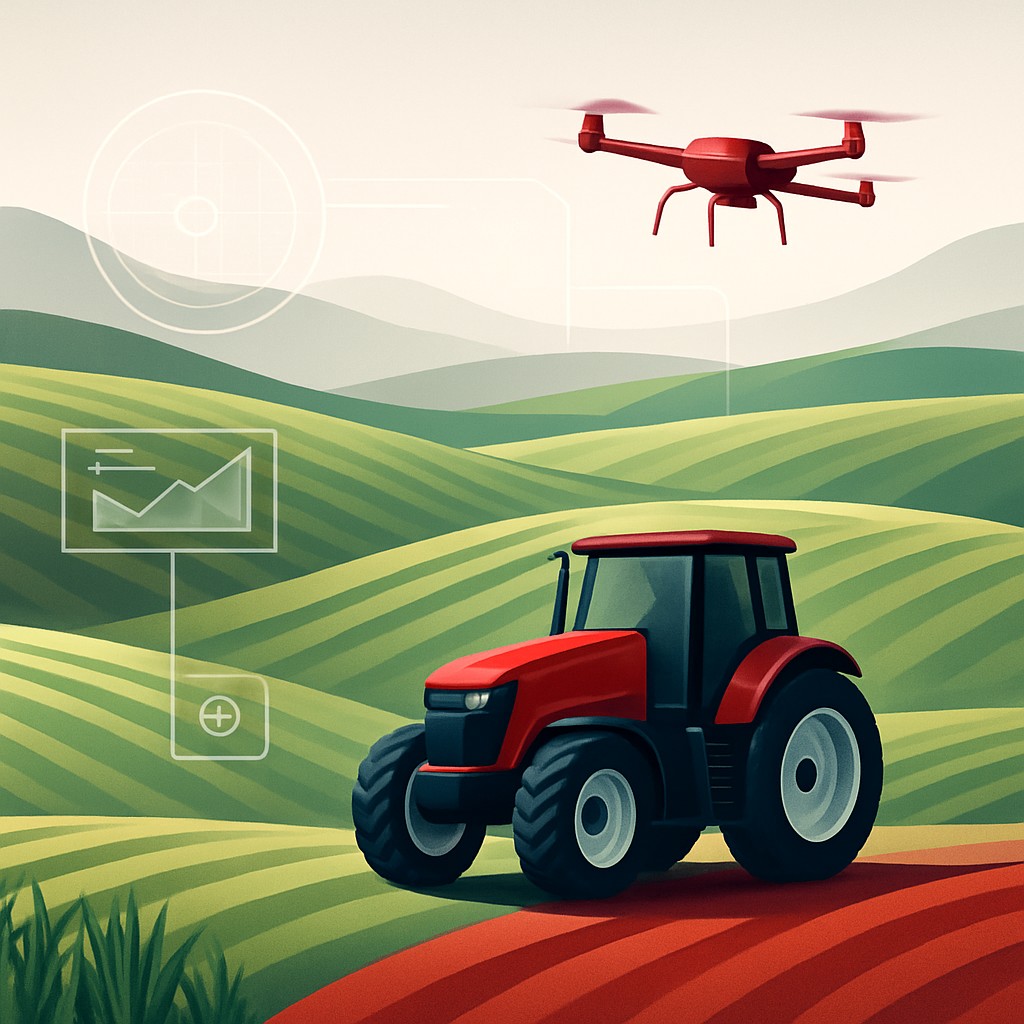
Polish farming is undergoing significant modernisation. Precision agriculture, using GPS-guided machinery, drones, and data analytics, is improving yields while reducing input waste. Sustainability is a major focus, with companies adopting renewable energy, soil-health practices, and closed-loop systems that turn agricultural waste into biogas and fertiliser.
Consumer demand for traceable, high-quality, and organic produce is shaping production strategies, while export opportunities continue to expand. At the same time, farming companies face challenges including labour availability, climate variability, and rising input costs, all of which reward operators with efficient, resilient business models.
What Makes a Strong Farming Company
The best farming enterprises in Poland share common traits. Vertical integration, controlling production from field to finished product, enhances quality control and margins. Investment in technology and sustainable practices improves both efficiency and market access. Strong cooperative structures give smaller producers collective bargaining power and shared infrastructure.
For buyers, partners, or investors evaluating Polish farming companies, key considerations include production scale, quality certifications, export capability, and commitment to environmental stewardship. Companies that balance these factors are well placed for long-term success.
Conclusion
Poland's farming companies embody a powerful combination of agricultural tradition and forward-looking innovation. From integrated meat and dairy producers to large arable operations and renowned fruit growers, these enterprises feed the nation and supply markets across Europe. As sustainability and technology continue to reshape the sector, Poland's leading farming companies are positioned to remain vital contributors to both the national economy and the wider European food supply.
