
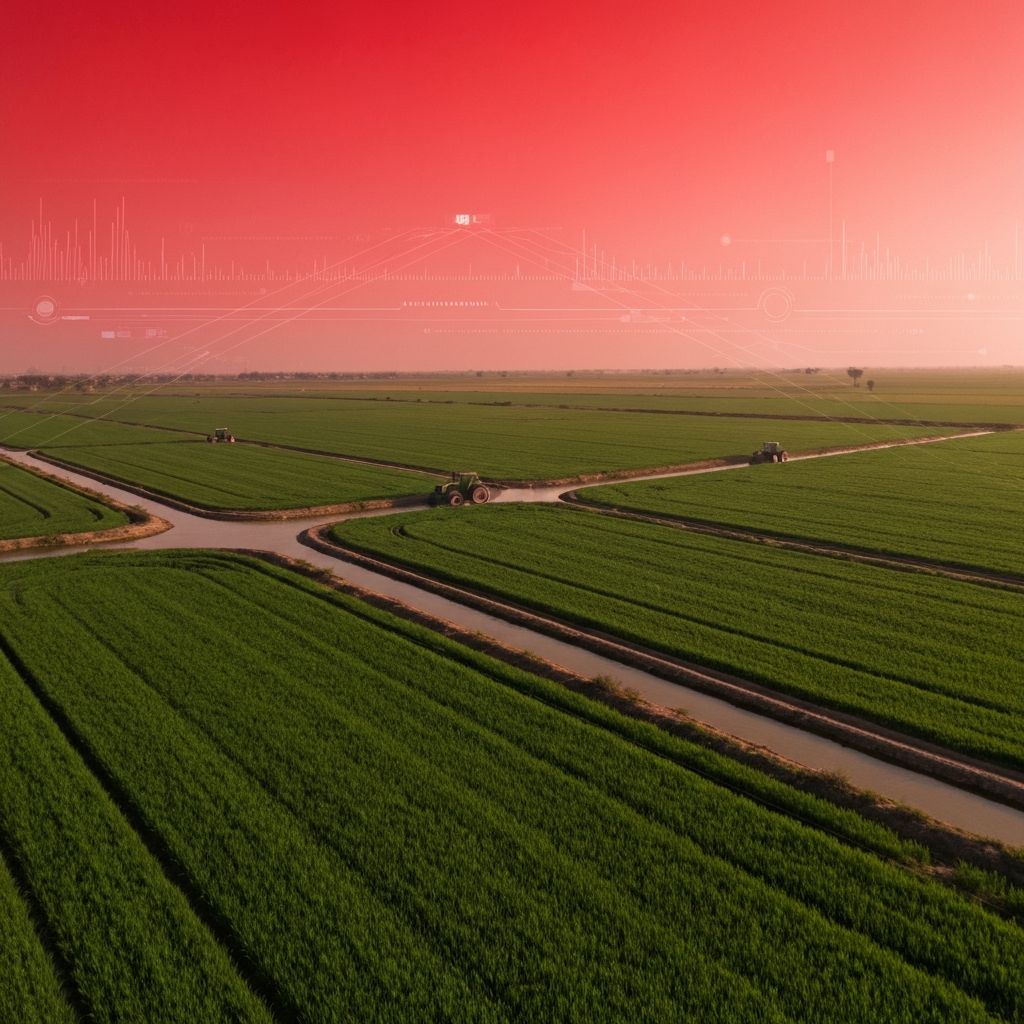
The Backbone of Pakistan's Economy
Agriculture is the lifeblood of Pakistan's economy, contributing nearly a quarter of the GDP and employing approximately 40 percent of the country's workforce. The farming sector is supported by major companies that bring innovation, technology, and scale to traditional practices. These companies play a vital role in ensuring food security, boosting exports, and supporting rural livelihoods. From corporate farms producing cash crops to integrated agribusinesses managing the entire supply chain, Pakistan's farming companies are setting new benchmarks in productivity and sustainability.
1. Engro Fertilizers Limited
While primarily known for fertilizers, Engro has expanded into integrated farming solutions. Their initiatives include providing farmers with high-yield seeds, modern equipment, and agronomic advice. Engro's commitment to research and farmer education has made them a cornerstone of progressive agriculture in Pakistan.
2. Fauji Foundation Agriculture
Fauji Foundation operates large-scale corporate farms across Punjab and Sindh, focusing on wheat, sugarcane, and cotton production. Their farms employ modern irrigation, precision agriculture, and crop rotation techniques to maximize yields and sustainability.
3. JDW Sugar Mills
JDW Sugar Mills is one of the largest agricultural conglomerates in Pakistan. Beyond sugar production, they manage extensive sugarcane farms and support thousands of contract farmers with technical assistance, quality seeds, and financial support.
4. Olympia Chemicals and Farming Group
Olympia operates diversified agricultural ventures, including grain production, dairy farming, and livestock management. Their integrated approach combines traditional farming with modern agribusiness practices, supporting both domestic and export markets.
5. Shakarganj Limited
Shakarganj is known for its vertically integrated operations spanning sugarcane farming, dairy, and ethanol production. The company invests heavily in farmer welfare programs, providing training, equipment, and financial assistance to growers in central Punjab.
6. Mitchell's Fruit Farms
Mitchell's combines fruit farming with food processing, cultivating oranges, apples, and seasonal produce on its expansive farms. The company is recognized for organic farming initiatives and quality standards that meet international export requirements.
7. Tara Group of Companies
Tara Group operates large-scale farming projects in Sindh, focusing on rice, cotton, and horticultural crops. Their use of mechanized farming, drip irrigation, and high-quality inputs has made them a model for modern Pakistani agriculture.
8. Nestle Pakistan Dairy Farming
Although a multinational, Nestle's dairy farming initiatives in Pakistan have transformed the dairy sector. They work with thousands of farmers across Punjab and Sindh, providing training, veterinary services, and milk collection infrastructure.
9. Sapphire Agro
Sapphire Agro specializes in cotton and wheat farming, leveraging precision agriculture, GPS-guided machinery, and advanced soil analysis. Their commitment to sustainability and high productivity has earned them industry recognition.
10. Roomi Enterprises
Roomi Enterprises operates corporate farms producing rice, wheat, and oilseeds. They combine traditional farming wisdom with modern agronomic science, ensuring consistent quality and yields. Their export division also plays a key role in promoting Pakistani agricultural products globally.
Innovation and Sustainability in Pakistani Farming
Pakistan's leading farming companies are increasingly adopting climate-smart agriculture, water-efficient irrigation, and digital farming tools. Drone-based crop monitoring, soil sensors, and AI-driven advisory services are becoming common practices. These innovations are crucial in addressing challenges such as water scarcity, climate change, and rising input costs.
Supporting Smallholder Farmers
A defining feature of Pakistan's top farming companies is their commitment to supporting smallholder farmers. Through contract farming, training programs, and financial assistance, these companies create inclusive value chains that benefit rural communities. This approach not only boosts agricultural productivity but also uplifts millions of farming families across the country.
Conclusion
The farming companies featured here are shaping the future of Pakistani agriculture. By combining innovation, scale, and farmer-focused strategies, they are addressing critical challenges and unlocking new opportunities. As Pakistan continues to modernize its agricultural sector, these companies will remain at the forefront of growth, sustainability, and food security.
