
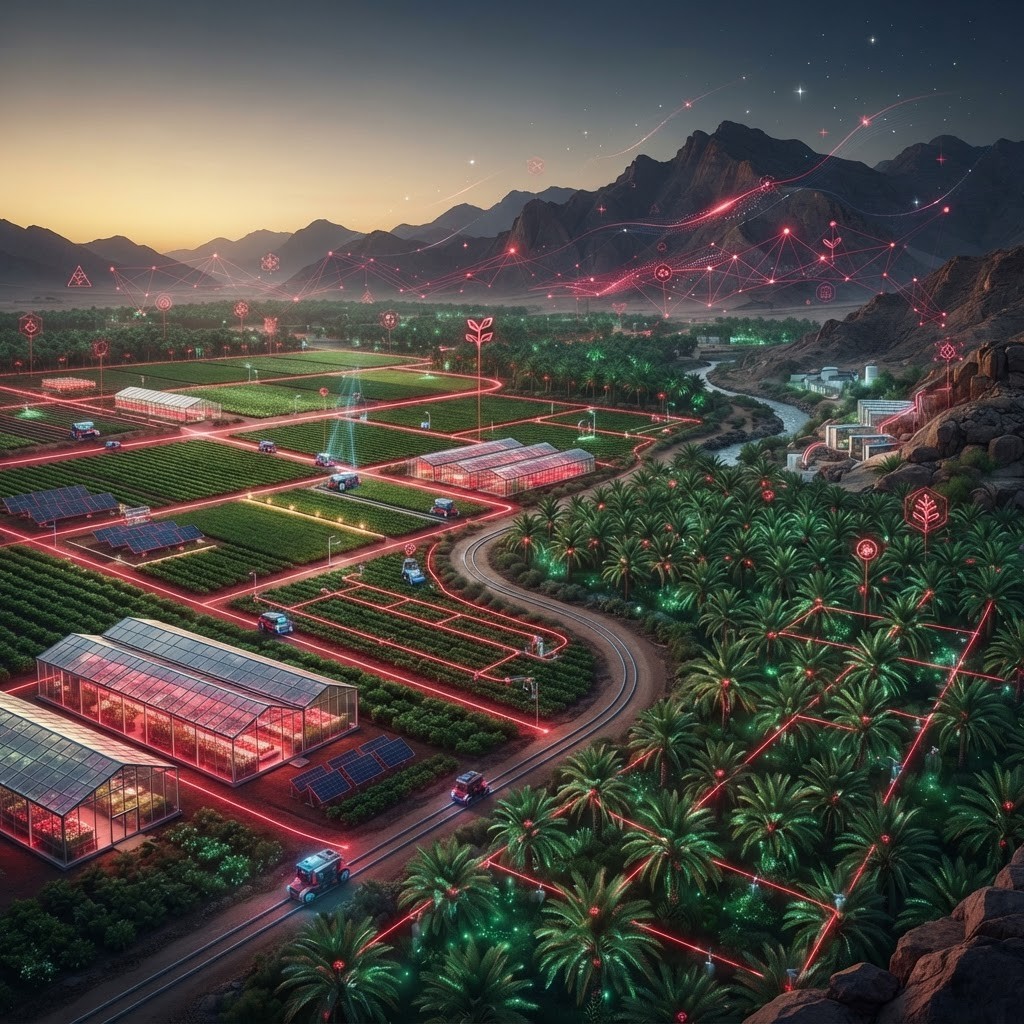
Agriculture's Growing Role in Oman
Agriculture holds an increasingly important position in Oman's economy and national strategy. As the Sultanate works to strengthen food security and diversify beyond oil, farming companies are investing in modern techniques, technology, and sustainable practices. From the fertile plains of Al Batinah to the unique climate of Salalah, agriculture contributes to the economy, rural livelihoods, and the nation's self-sufficiency goals under Vision 2040.
Oman's diverse geography supports a variety of agricultural activities, including date palm cultivation, vegetables, fruits, livestock, and fisheries. Leading farming companies combine traditional knowledge with innovation to overcome challenges such as water scarcity and arid conditions, producing quality food for local consumption and export.
What Defines a Leading Farming Company
Top farming companies distinguish themselves through productivity, quality, and sustainable practices. Efficient use of water through modern irrigation, adoption of technology such as greenhouses and hydroponics, and commitment to quality standards set the best producers apart. Their ability to consistently supply fresh, high-quality produce supports both domestic markets and export ambitions.
Investment in research, sustainable land management, and value-added processing further distinguishes leading companies. Contributing to food security while maintaining environmental responsibility reflects the priorities of modern Omani agriculture.
Leading Farming Companies in Oman
Al Batinah Agricultural Company is a prominent producer benefiting from the fertile northern coastal plains. Focusing on vegetables and fruits, it supplies fresh produce to markets across the country with modern farming practices.
Salalah Farms Company takes advantage of the southern region's unique monsoon climate to cultivate crops that thrive in its distinctive conditions. Its produce, including tropical fruits, is highly valued nationwide.
Oman Date Palm Company specializes in date cultivation, honoring one of the country's most important agricultural traditions. It produces premium dates for local consumption and export while supporting farmers.
Gulf Greenhouse Farming pioneers protected cultivation using greenhouses to grow vegetables efficiently despite the arid climate. Its technology-driven approach ensures year-round, high-quality production.
Specialized Agricultural Businesses
Nizwa Organic Farms focuses on organic and chemical-free produce, meeting growing demand for healthy, sustainable food. Its practices appeal to environmentally conscious consumers.
Sohar Livestock and Dairy Company concentrates on animal husbandry and dairy production, supplying milk, meat, and related products. Its operations support the country's protein needs and food security.
Dhofar Agricultural Development integrates crop production with sustainable land management in the southern governorate. Its holistic approach supports both productivity and environmental stewardship.
Emerging and Innovative Players
Oman Hydroponics Ventures represents the new wave of agri-technology, using soilless cultivation to conserve water and maximize yields. Its innovative methods address Oman's water challenges effectively.
Duqm Agricultural Projects develops farming initiatives within the central region, contributing to local food production and economic diversification. Its projects support the growing population in the area.
Al Wusta Modern Farming Company combines advanced irrigation and technology to cultivate crops in challenging conditions. Its resilience and innovation exemplify the future of Omani agriculture.
Trends Shaping Omani Agriculture
The farming sector in Oman is transforming through technology and sustainability. Modern irrigation, greenhouses, hydroponics, and precision agriculture are helping producers overcome water scarcity and boost yields. There is growing emphasis on organic and sustainable farming as consumers seek healthier options.
Government support for food security and agricultural investment is encouraging expansion and modernization. Interest in export markets is also rising, particularly for premium products like Omani dates. These trends point toward a more productive, resilient, and innovative agricultural future.
Supporting Food Security and Sustainability
Farming companies play a crucial role in advancing Oman's food security and sustainability goals. By adopting efficient practices, conserving resources, and increasing local production, they reduce import dependency and strengthen the nation's resilience. Their contributions extend beyond food to rural employment, economic diversification, and environmental care. By creating jobs in rural communities and encouraging young Omanis to pursue careers in modern agriculture, these companies help sustain traditional ways of life while embracing innovation. Their investment in research and skills development also builds long-term capacity, ensuring that the sector continues to evolve and thrive for future generations.
Overcoming Water and Climate Challenges
Water scarcity and arid conditions represent the most significant challenges facing Omani agriculture, and leading farming companies are meeting them with ingenuity. Techniques such as drip irrigation, desalination, treated water reuse, and climate-controlled greenhouses allow producers to grow more with less. These investments not only conserve precious resources but also enable year-round production that stabilizes local food supply.
Innovation extends to crop selection as well, with companies favoring drought-tolerant and high-value varieties suited to Oman's environment. By combining traditional knowledge of the land with modern agricultural science, farming companies are building a more sustainable and productive sector. Their success in overcoming natural constraints demonstrates how technology and stewardship can secure the nation's agricultural future.
Conclusion
Farming companies are essential to Oman's economy, food security, and sustainable development. From date palm specialists to hydroponics innovators, the leading producers each contribute distinct strengths to the nation's agriculture. As Oman continues to invest in modern, sustainable farming, these companies will remain vital partners in nourishing the country and building a resilient, diversified future.
