
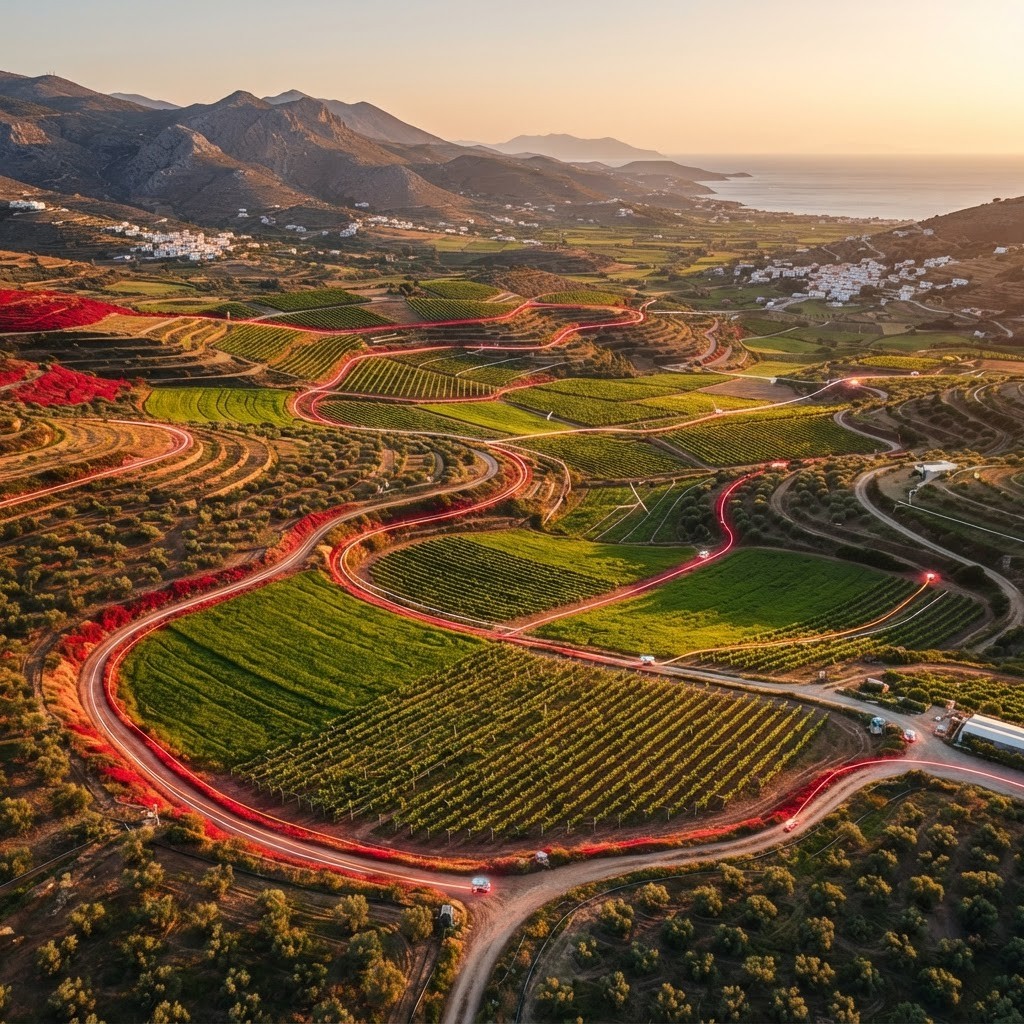
The Importance of Farming in Greece
Agriculture has shaped Greek life and landscape for millennia. Blessed with a Mediterranean climate, fertile plains, and a long growing season, Greece produces some of the world's finest olive oil, wine grapes, citrus, cotton, and horticultural products. Farming remains a vital contributor to national exports and rural employment, and the country's leading companies have modernized rapidly to compete on the global stage while preserving the quality that defines Greek produce.
Today's top Greek farming companies balance heritage with technology. Precision irrigation, sustainable soil management, and traceable supply chains have become standard among the most respected operators, enabling them to meet strict European Union standards and satisfy demanding international buyers.
What Defines a Leading Farming Company
The best farming enterprises in Greece share several traits. They prioritize product quality and consistency, invest in modern agronomy, and maintain transparent sourcing. Many hold certifications for organic production, food safety, and sustainability, which are increasingly essential for export markets. Strong companies also support the farmers in their supply networks, offering training and stable purchasing agreements that strengthen entire rural communities.
Leading Farming Companies in Greece
Barba Stathis is a household name in frozen vegetables and prepared produce, working with an extensive network of contracted growers across Greece. Its commitment to quality control and cold-chain logistics has made it a benchmark in the sector.
Agricultural Cooperative of Zagora Pelion is renowned for its premium apples and a cooperative model that empowers local producers. The cooperative demonstrates how collective organization can deliver both quality and fair returns to farmers.
Sekap and other established agricultural cooperatives have long histories of coordinating regional production, particularly in specialty crops that benefit from geographic identity.
Nespar specializes in fresh produce packing and export, connecting Greek fruit and vegetable growers with international retailers through rigorous grading and handling standards.
Olive Oil and Vineyard Leaders
Olive cultivation is central to Greek agriculture, and companies such as Gaea have earned global recognition for premium extra virgin olive oil and table olives. Gaea combines sustainable farming with modern branding, helping Greek olive products reach premium shelves worldwide.
Terra Creta from Crete is another leader, known for traceable single-estate olive oil that emphasizes provenance and purity. In viticulture, estates like Boutari manage extensive vineyards and set standards for grape quality that support Greece's celebrated wine industry.
Livestock and Dairy Farming
Greece's dairy tradition, particularly around feta and yogurt, depends on strong livestock farming. Companies such as Dodoni operate integrated networks of sheep and goat farmers, ensuring milk quality that underpins protected designation of origin products. Kolios similarly maintains close relationships with regional farmers to secure consistent, high-quality milk supplies for cheese production. These enterprises show how farming and food processing are deeply intertwined in the Greek economy.
Innovation and Sustainable Practices
Modern Greek farming companies are embracing technology to improve yields and reduce environmental impact. Drip irrigation conserves scarce water, while soil sensors and satellite monitoring guide precise fertilization. Many leaders are transitioning toward organic and regenerative methods, responding to consumer demand for cleaner, more sustainable food. Renewable energy, especially solar power for irrigation and processing, is increasingly common on progressive farms.
Traceability is another priority. Advanced companies document each stage from field to shelf, giving buyers confidence in origin and safety. This transparency is a key differentiator in export markets where certification and provenance command premium prices.
Challenges and Opportunities
Greek agriculture faces challenges including climate variability, water scarcity, and generational succession as younger people migrate to cities. However, opportunities abound. Rising global demand for Mediterranean diet products, growing interest in organic food, and the strong reputation of Greek origin all favor well-managed companies. Those that invest in innovation, branding, and sustainability are well positioned to expand their international presence.
The Role of Cooperatives and Exports
Cooperatives remain a defining feature of Greek farming, allowing thousands of small and medium producers to pool resources, share equipment, and negotiate better prices. This collective model strengthens rural economies and gives individual farmers access to markets they could never reach alone. Many of the country's most successful agricultural brands are built on cooperative foundations, combining grassroots production with professional marketing and distribution. Exports are a powerful growth engine, with Greek olive oil, feta, fruit, and vegetables enjoying strong demand across Europe, North America, and Asia. The reputation of Greek origin, tied to the celebrated Mediterranean diet, gives these companies a competitive edge and encourages continued investment in quality, branding, and traceability that benefit the entire sector.
Conclusion
The farming companies leading Greece today combine time-honored Mediterranean tradition with modern agronomy and sustainability. From frozen vegetable pioneers like Barba Stathis to olive oil champions such as Gaea and Terra Creta, and dairy leaders like Dodoni, these enterprises deliver quality that resonates worldwide. As Greek agriculture continues to modernize, its top companies stand ready to strengthen the country's role as a source of premium, authentic food.
