
Agriculture in the Fort Worth Economy
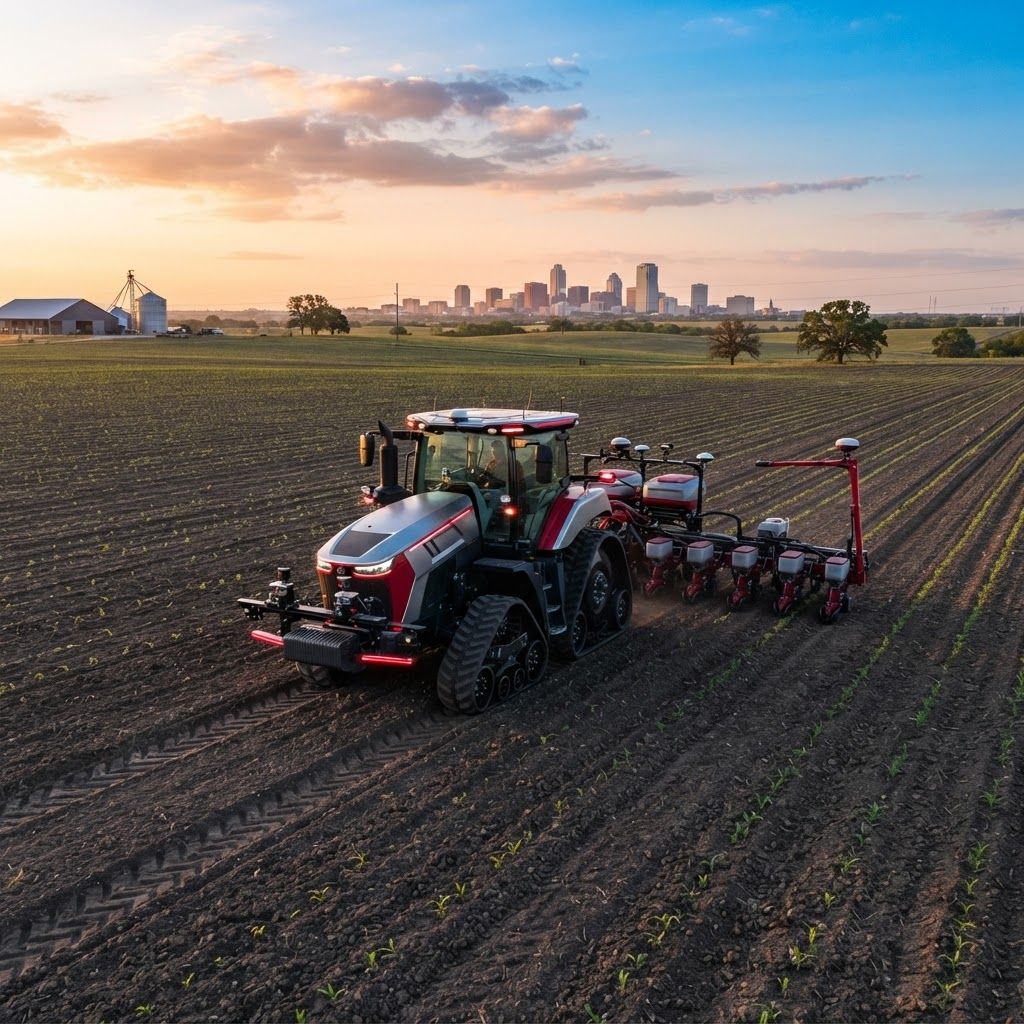
Fort Worth’s identity is closely tied to cattle, open land, and agricultural trade, but today’s sector also includes precision technology, genetics, feed, commodity services, and sustainable land management. The city’s farms and ranches face intense heat, variable rainfall, rising input costs, and pressure from metropolitan growth. This list highlights companies and producer-focused organizations with meaningful relevance to the Fort Worth market. Rather than ranking only by size, it considers service breadth, regional knowledge, innovation, and practical value.
1. Cargill
Cargill participates across agricultural supply chains, including grain, animal nutrition, food ingredients, and risk management. Its scale matters to North Texas producers because agriculture increasingly depends on coordinated logistics and access to national and global markets. Farms and livestock operations can benefit from market intelligence, feed expertise, and reliable procurement channels. Cargill’s differentiator is its ability to connect local production decisions with broader commodity conditions.
2. ADM
ADM is a major agricultural processor and ingredient company with broad relevance to grain and oilseed markets. For producers around Fort Worth, firms of this scale influence demand, transportation patterns, and pricing opportunities. ADM also invests in nutrition, traceability, and lower-carbon agricultural systems. Its market reach makes it an important company to understand when evaluating where crops move after harvest and how changing consumer preferences affect farm-level decisions.
3. Nutrien Ag Solutions
Nutrien Ag Solutions provides crop nutrients, protection products, seed, digital agronomy, and field support. Its value in North Texas comes from bringing multiple inputs together with recommendations tailored to soil, crop, and weather conditions. Producers can use agronomic advice to avoid unnecessary applications and improve timing. Digital field tools and a wide product portfolio make Nutrien a strong option for operations seeking a more integrated crop-management relationship.
4. Helena Agri-Enterprises
Helena Agri-Enterprises offers seed, fertilizers, crop-protection products, financial services, and agronomic support. The company is known for combining established inputs with proprietary products and local field knowledge. Around Fort Worth, that can help growers address weeds, nutrient efficiency, and stress under hot, dry conditions. Its consultative model is most useful when recommendations are grounded in field scouting and measurable crop needs.
5. Wilbur-Ellis Agribusiness
Wilbur-Ellis supports growers with crop inputs, nutrition, protection, seed, and technology. The company emphasizes agronomic planning and responsible product use, which aligns with growing interest in preserving soil health while maintaining yields. North Texas producers can benefit from a supplier able to adapt programs for row crops, forage, pasture, or specialty production. Its long operating history and technical orientation are notable differentiators.
6. Simplot Grower Solutions
Simplot Grower Solutions provides fertilizer, crop-protection products, seed, and agronomic expertise. Its approach is centered on helping growers make input decisions at field level rather than relying on generic programs. In the Fort Worth region, variable soil types and rainfall make that specificity valuable. The company’s connection to a broader food and agriculture enterprise also provides perspective on quality expectations farther down the supply chain.
7. Capital Farm Credit
Capital Farm Credit serves Texas agriculture with financing for rural land, operating needs, equipment, livestock, and agribusiness. Although it is a cooperative lender rather than a producer, it is central to the business side of farming around Fort Worth. Agricultural borrowers benefit from staff who understand seasonal cash flow and rural collateral. Its cooperative structure and Texas focus distinguish it from general commercial lenders unfamiliar with production risk.
8. Texas Farm Bureau
Texas Farm Bureau supports farmers and ranchers through advocacy, education, insurance-related services, and a statewide member network. Fort Worth-area producers operate near fast-growing suburbs, making property rights, transportation, water, and land-use policy especially important. The organization gives agricultural operators a collective voice while helping the public understand where food and fiber originate. Its broad county-level presence connects local issues with statewide policy discussions.
9. Texas and Southwestern Cattle Raisers Association
Headquartered in Fort Worth, the Texas and Southwestern Cattle Raisers Association is one of the city’s most consequential agricultural institutions. It supports cattle producers through education, policy advocacy, market information, theft investigation, and industry events. Its special rangers and brand-inspection heritage reflect the practical needs of ranching. For local cattle businesses, the association offers unusually direct access to expertise and a network rooted in Southwestern livestock production.
10. Superior Livestock Auction
Superior Livestock Auction, associated with the Fort Worth area, helped expand video and online livestock marketing. Its model enables cattle to be marketed efficiently while reducing unnecessary movement before sale. Ranchers can present load-lot information to a broad buyer base and plan delivery under defined terms. The company illustrates how Fort Worth’s traditional cattle economy has adopted digital tools without losing the importance of reputation and accurate livestock representation.
What to Look for in an Agricultural Partner
Producers should evaluate local expertise, product stewardship, response time, pricing transparency, and the quality of field recommendations. A strong partner asks about soil tests, production goals, equipment, water, and financial constraints before proposing a program. For cattle operations, biosecurity and traceable records are increasingly important. For crop farms, application accuracy and resistance management deserve close attention. Contracts should clearly address delivery, storage, returns, and market obligations.
Trends Reshaping Fort Worth Farming
Precision application, drought-tolerant genetics, remote sensing, water efficiency, and carbon measurement are moving into everyday agriculture. Meanwhile, urban growth raises land values and creates opportunities for direct sales, agritourism, and specialty food production. The best farming companies serving Fort Worth combine respect for the region’s ranching legacy with tools that improve resilience. Producers should choose partners that produce measurable results and remain dependable through difficult seasons, not simply those with the largest catalogs.
