
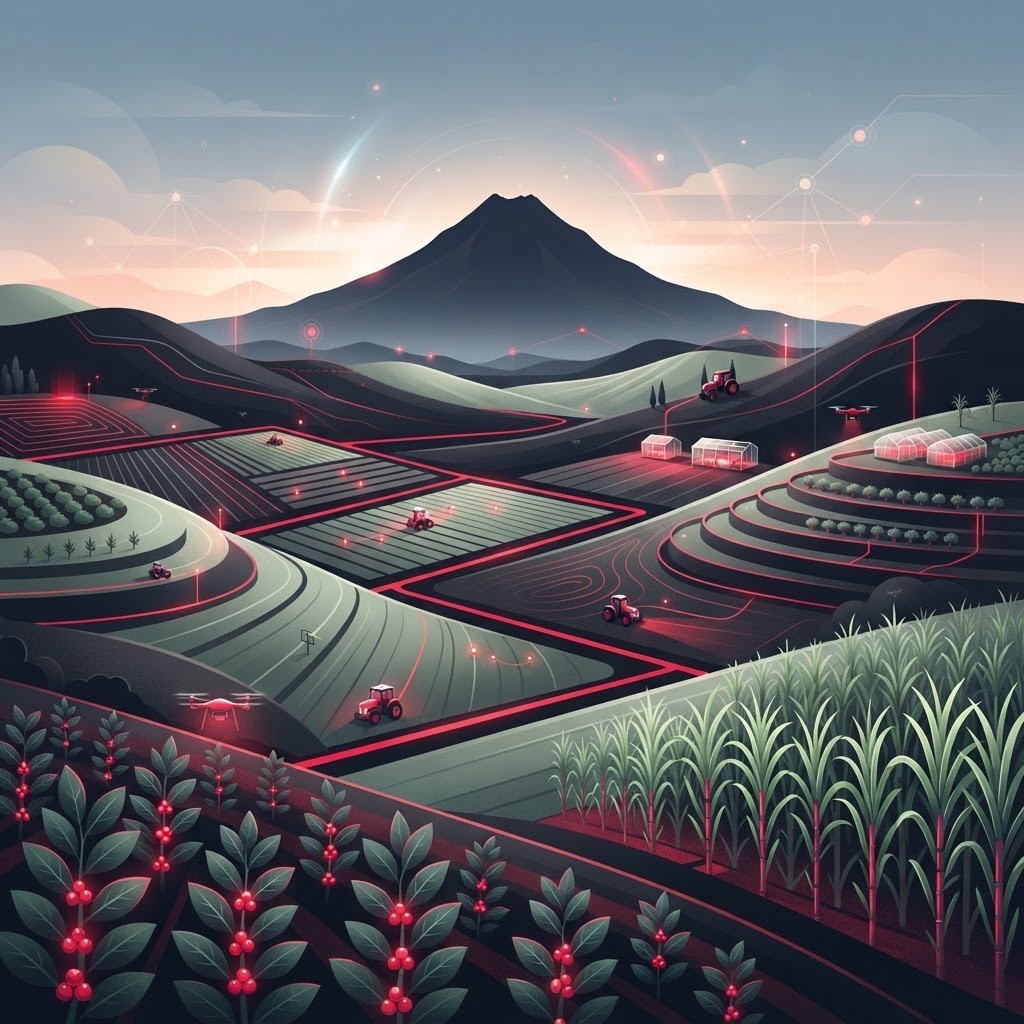
Agriculture at the Core of El Salvador
Agriculture has long been central to El Salvador's identity and economy. From the fertile volcanic soils that produce world-renowned coffee to the fields of sugarcane, corn, and beans that feed the nation, farming companies play a vital role in food security, employment, and export earnings. These enterprises range from large agro-industrial operations to cooperatives that unite smallholder farmers.
Modern farming companies in El Salvador combine traditional agricultural knowledge with new technologies and sustainable practices. They drive productivity, improve quality, and connect Salvadoran produce to both domestic and international markets, strengthening the country's position in regional agriculture.
The Impact of Leading Farming Companies
Top farming companies contribute far beyond crop production. They generate rural employment, support local communities, and invest in infrastructure such as irrigation, processing facilities, and storage. Many also provide training and resources to smallholder farmers, raising standards across the entire value chain.
These companies are increasingly focused on sustainability and resilience, adopting practices that conserve water, protect soil health, and adapt to changing climate conditions. Their leadership helps ensure the long-term viability of Salvadoran agriculture.
Ten Leading Farming Companies
1. Grupo Cassa — A major player in the sugar industry, operating extensive sugarcane farms and processing operations that support thousands of livelihoods.
2. Coex — A prominent coffee company managing farms and export operations that showcase El Salvador's celebrated coffee heritage.
3. Ingenio El Angel — A leading agro-industrial enterprise with significant sugarcane cultivation and processing capacity.
4. J.J. Borja Nathan — A respected coffee producer and exporter known for quality beans grown in the country's highland regions.
5. Grupo Hame — A diversified agricultural group with operations spanning multiple crops and value-added processing.
6. Cooperativa Ganadera de Sonsonate — A cooperative uniting farmers in dairy and livestock production for regional markets.
7. Agricola El Sauce — A company focused on horticulture and vegetable production for domestic consumption.
8. Productos Alimenticios Diana — An agro-industrial company sourcing and processing local crops into consumer food products.
9. Cafe Tuxpal — A specialty coffee producer highlighting the unique flavors of Salvadoran terroir.
10. Cooperativa Agropecuaria Nacional — A national cooperative supporting diverse farming activities and smallholder producers.
Trends Transforming Salvadoran Farming
El Salvador's farming sector is undergoing meaningful transformation. Climate change poses significant challenges, prompting companies to adopt drought-resistant crops, efficient irrigation, and soil conservation techniques. Precision agriculture, powered by data and technology, is gradually improving yields and resource management.
Sustainability and certification are increasingly important, particularly in the coffee sector, where international buyers value environmentally and socially responsible production. Diversification into high-value crops and value-added processing is also helping companies increase profitability and reduce dependence on volatile commodity markets.
What to Look for in a Farming Partner
For buyers, investors, and communities, the strength of a farming company lies in its productivity, quality standards, and commitment to sustainability. Companies that invest in modern practices, fair labor, and community development create lasting value. Certifications and traceability offer additional assurance for export markets.
Resilience is equally important. Farming companies that manage risk through diversification, technology, and sound agronomic practices are better positioned to thrive amid climate and market challenges.
Conclusion
Farming companies are the beating heart of El Salvador's agricultural economy, feeding the nation and connecting its produce to the world. The companies highlighted here exemplify the productivity, quality, and sustainability that define the sector's leaders. As agriculture adapts to new challenges and opportunities, these companies continue to cultivate a prosperous future for the country and its people.
