
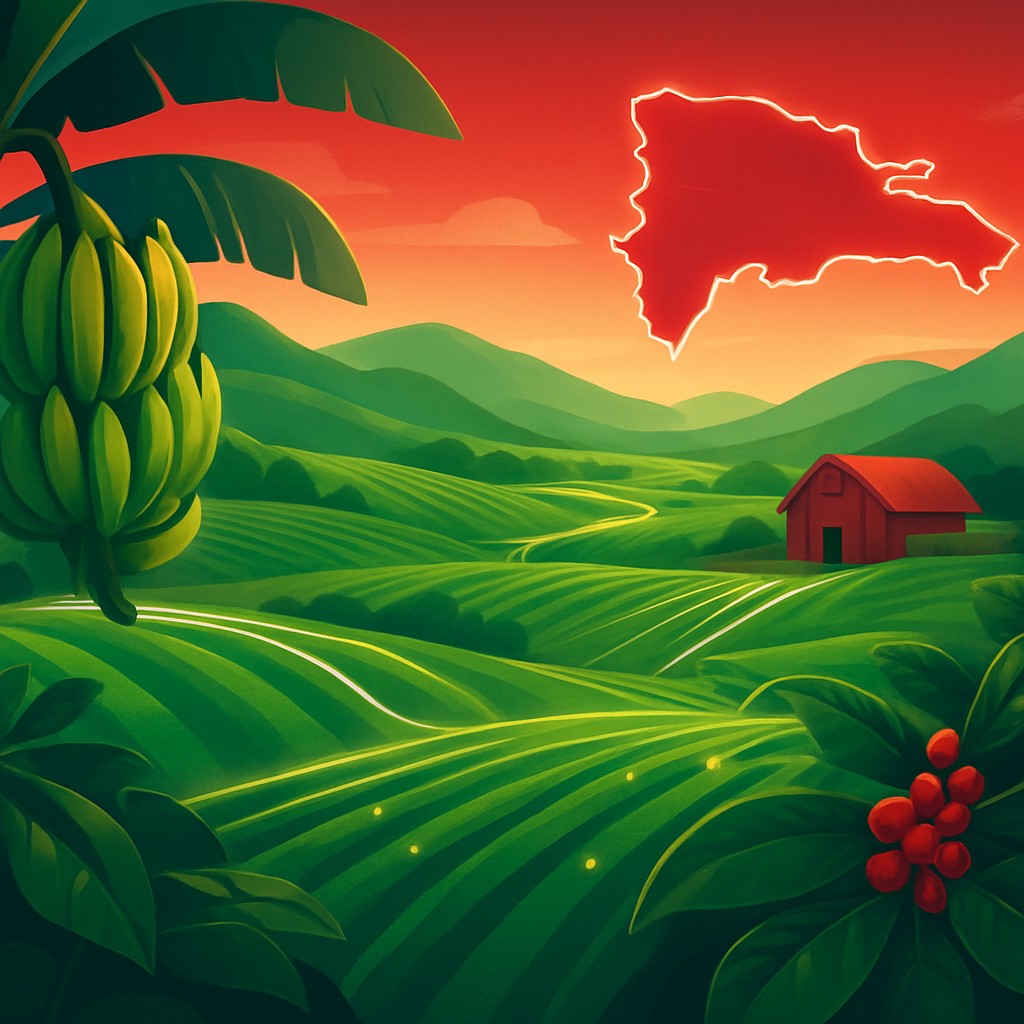
Agriculture at the Heart of the Dominican Economy
Agriculture has long been a cornerstone of the Dominican Republic's economy, shaping its landscape, culture, and exports. The country's fertile soils and tropical climate make it ideal for growing a remarkable variety of crops, including bananas, cacao, coffee, rice, sugarcane, and tropical fruits. Leading farming companies play a central role in cultivating these products, supporting rural livelihoods and supplying both domestic and international markets.
The Dominican Republic is among the world's top exporters of organic bananas and cacao, a testament to the strength and sophistication of its agricultural sector. Behind this success are farming companies that combine traditional knowledge with modern techniques to maximize productivity and quality.
What Defines a Leading Farming Company
Top farming companies stand out through scale, sustainability, and consistent quality. As global buyers increasingly demand traceability and responsible practices, companies that adopt organic methods, fair labor standards, and environmental stewardship gain a competitive edge. Efficient operations, strong distribution networks, and investment in technology further define industry leaders.
The best farming companies also contribute to their communities, supporting local employment and rural development. Their ability to meet export standards while maintaining sustainable practices positions them as vital contributors to the national economy.
Top 10 Farming Companies
1. Grupo Rica is a major agribusiness with diverse agricultural operations, known for its strong presence in dairy, juices, and food production rooted in local farming.
2. Plantaciones del Norte specializes in banana production, contributing significantly to the country's reputation as a leading organic banana exporter.
3. Rizek Cacao is a prominent name in cacao, working closely with farmers to produce high-quality cocoa for export markets worldwide.
4. Induban (Café Santo Domingo) is closely tied to coffee production, supporting the cultivation and processing of one of the country's signature crops.
5. Agroindustrial Ocoa focuses on diverse agricultural products from the fertile Ocoa region, known for quality produce and sustainable practices.
6. Banelino is a respected banana producers' association emphasizing organic and fair-trade practices, supporting small farmers across the northwest.
7. Cooproagro is a leading cacao cooperative that empowers small producers while delivering certified organic cocoa to global buyers.
8. Vicini Group has deep roots in sugarcane and agricultural production, playing a historic role in the country's farming sector.
9. Agropecuaria Hatuey engages in diversified farming, supplying produce and agricultural goods to domestic markets with reliable quality.
10. Frutas del Caribe rounds out the list, specializing in tropical fruit cultivation and supplying both local consumption and export channels.
Trends Shaping Dominican Agriculture
Several trends are transforming farming in the Dominican Republic. Organic and sustainable agriculture continues to expand, driven by strong international demand and premium pricing for certified products. The country's leadership in organic bananas and cacao exemplifies this shift toward responsible production.
Technology adoption is also rising, with farms incorporating improved irrigation, soil management, and crop monitoring to boost yields. Climate resilience has become a key focus as producers adapt to changing weather patterns, investing in practices that protect crops and ensure long-term productivity.
Choosing the Right Farming Partner
For buyers, distributors, and investors, selecting the right farming company involves evaluating quality, certifications, sustainability practices, and reliability. Companies with strong export credentials and transparent supply chains offer greater assurance for international markets. Partnering with established producers helps ensure consistent access to high-quality agricultural products.
The Global Reach of Dominican Agriculture
Dominican farming companies have achieved remarkable success on the international stage, particularly in organic exports. The country is consistently ranked among the world's leading exporters of organic bananas and is a major supplier of premium cacao used by chocolate makers across Europe and North America. This global recognition reflects decades of investment in quality, certification, and sustainable practices. For many rural communities, these export-oriented operations provide stable employment and a pathway to economic opportunity.
Coffee is another crop with deep cultural and economic significance, grown in mountainous regions where altitude and climate produce distinctive flavors. Together, these export crops showcase how Dominican agriculture combines natural advantages with disciplined production to compete in demanding global markets.
Supporting Small Farmers and Cooperatives
A defining feature of Dominican agriculture is the important role of cooperatives and associations that unite small farmers. These organizations help individual producers access markets, certifications, and fair pricing that would be difficult to obtain alone. By pooling resources and knowledge, cooperatives strengthen the entire supply chain and promote sustainable, equitable growth. This collaborative model has been central to the country's success in organic and fair-trade exports, ensuring that the benefits of agricultural prosperity reach rural communities.
Conclusion
Farming companies are fundamental to the prosperity and identity of the Dominican Republic, producing the crops that feed families and fuel exports. From organic bananas and cacao to coffee and tropical fruits, these producers showcase the nation's agricultural strength. The companies featured in this guide stand out for their quality, sustainability, and contribution to the economy, making them leaders in a sector vital to the country's future.
