
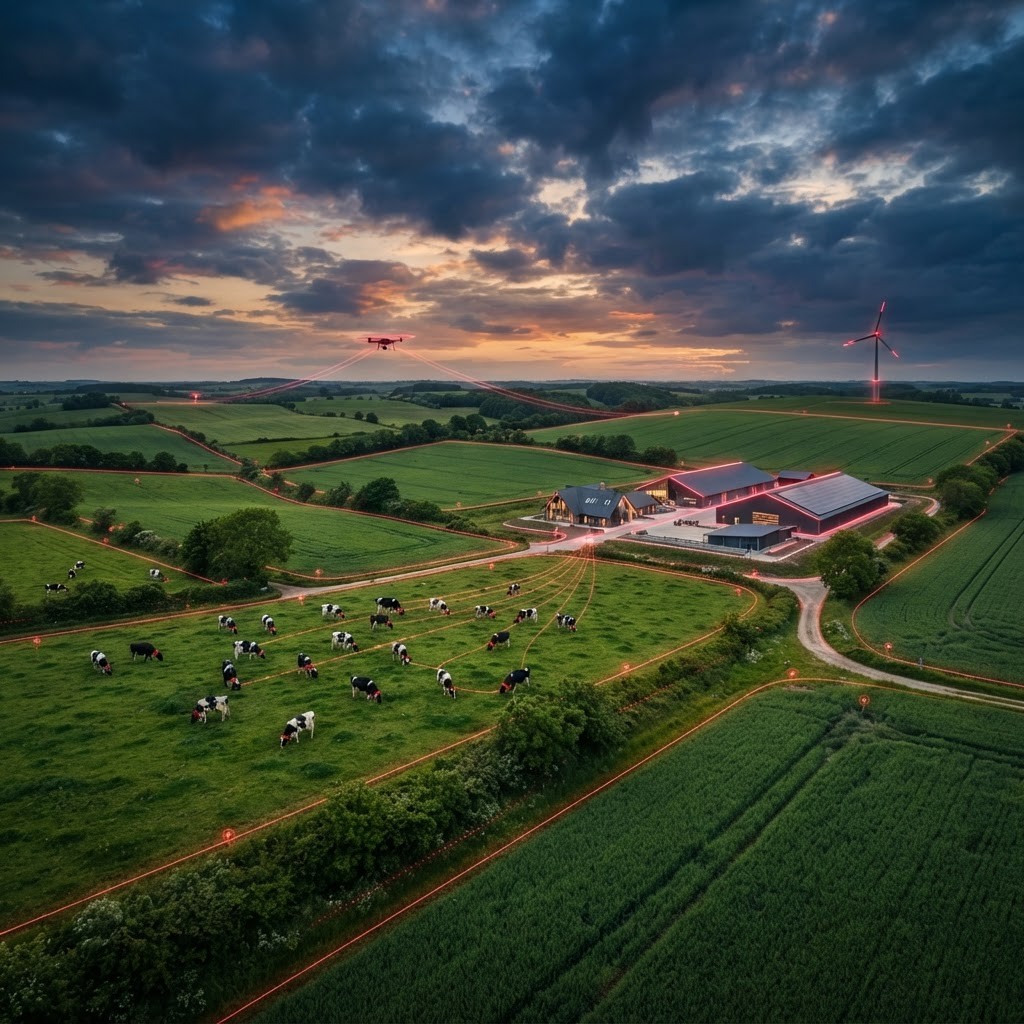
Agriculture at the Heart of Denmark
Agriculture has long been central to Denmark's economy and identity, with the country recognized as one of the world's most efficient and sustainable food producers. Danish farming companies are leaders in dairy, pork, crops, and agricultural cooperatives, combining advanced technology with responsible land management. These companies not only feed the nation but also export high-quality products around the globe, making Denmark a powerhouse in the international food industry.
What Makes Danish Farming Companies Exceptional
Danish farming companies stand out for their productivity, innovation, and strong environmental focus. Many operate as cooperatives, giving farmers shared ownership and a stake in the value chain. The sector is a pioneer in sustainable practices, from reducing emissions and improving animal welfare to advancing precision agriculture and organic production. This combination of efficiency and responsibility underpins Denmark's global reputation.
The Top 10 Farming Companies
1. Arla Foods. A farmer-owned cooperative and one of the world's largest dairy companies, Arla produces milk, cheese, and dairy products, exporting to markets across the globe.
2. Danish Crown. A leading meat processing cooperative, Danish Crown is one of the world's largest pork exporters, known for quality, scale, and a focus on sustainability.
3. DLG Group. A major agricultural cooperative, DLG supplies feed, fertilizers, seeds, and services that support farmers throughout Denmark and internationally.
4. Danish Agro. A large farmer-owned supply company, Danish Agro provides feed, crop inputs, and agricultural services across the Nordic and Baltic regions.
5. Nordic Seed. Specializing in plant breeding, Nordic Seed develops high-yield, resilient crop varieties tailored to Nordic growing conditions.
6. Rose Poultry. A leading poultry producer, Rose Poultry supplies quality chicken products to retailers and food businesses across Denmark and beyond.
7. Gasa Group. A major player in horticulture, Gasa Group supplies plants, flowers, and vegetables, connecting growers with retailers throughout Europe.
8. KMC. A cooperative specializing in potato products, KMC works with farmers to produce starches and ingredients for global food markets.
9. SEGES Innovation. A leading agricultural knowledge and innovation center, SEGES supports Danish farmers with research, advisory services, and sustainable solutions.
10. Thise Dairy. A respected organic dairy cooperative, Thise produces high-quality organic milk and dairy products, reflecting Denmark's strong organic tradition.
Industry Trends in Danish Farming
Sustainability is the defining trend in Danish agriculture, with companies investing heavily in reducing carbon emissions, improving animal welfare, and adopting regenerative practices. Precision farming, powered by data, sensors, and automation, is boosting efficiency and reducing waste. Organic production continues to grow, driven by strong domestic and export demand. Plant-based and alternative protein innovation is also emerging as a significant area of investment.
Benefits of the Danish Farming Model
Denmark's cooperative farming model gives farmers shared ownership, stability, and influence over the entire value chain, from production to processing and export. This structure supports fair returns, investment in innovation, and a strong focus on quality. Consumers and international buyers benefit from safe, high-quality, and sustainably produced food backed by rigorous standards and traceability.
The Future of Danish Agriculture
Danish farming companies are well positioned to lead the global transition toward sustainable food production. Continued investment in green technology, research, and animal welfare will strengthen the sector's competitiveness. As global demand for responsibly produced food grows, Denmark's combination of efficiency, innovation, and sustainability offers a model for the future of agriculture.
Conclusion
Denmark's farming companies exemplify a rare balance of productivity, quality, and environmental responsibility. Through cooperative ownership, technological innovation, and a deep commitment to sustainability, these companies continue to feed both the nation and the world. Their leadership ensures that Danish agriculture remains a respected and influential force in the global food industry.
