
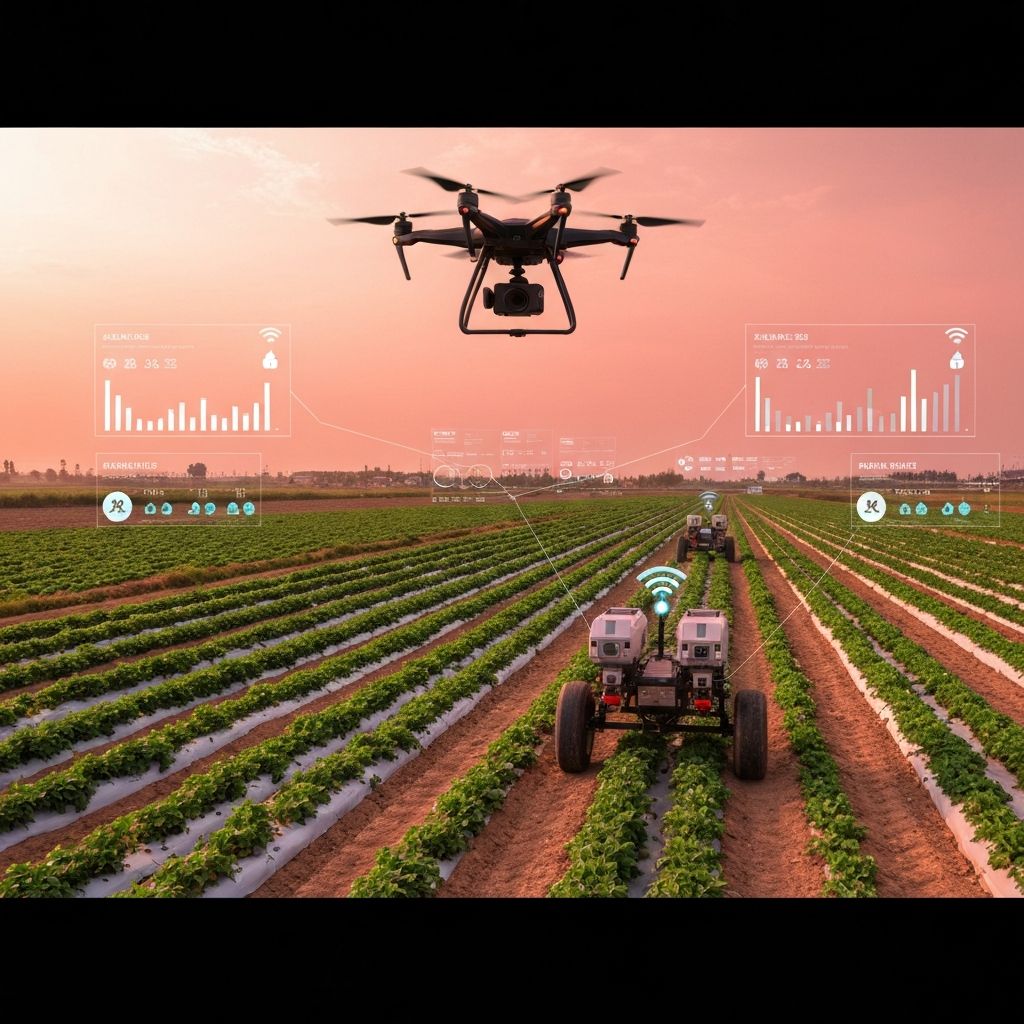
Agricultural Excellence in Modern China
China's farming sector has undergone remarkable transformation, evolving from traditional smallholder operations to include large-scale modern enterprises. The country faces the challenge of feeding nearly twenty percent of the world's population with limited arable land, driving innovation and efficiency improvements across the agricultural sector. Leading farming companies have emerged that combine scale, technology, and sustainable practices to ensure food security.
1. COFCO Corporation
COFCO stands as China's largest food and agriculture company with comprehensive farming operations spanning grains, oilseeds, and sugar. The company manages extensive farmland both domestically and internationally to secure food supply for Chinese markets. Their integrated approach covers everything from cultivation to processing and distribution, ensuring quality throughout the value chain.
2. Beidahuang Group
Beidahuang operates one of the world's largest state farms in northeastern China's fertile black soil region. The company cultivates millions of hectares producing rice, soybeans, corn, and wheat using mechanized farming methods. Their precision agriculture initiatives incorporate satellite monitoring and data analytics to optimize yields and resource efficiency.
3. New Hope Group
New Hope has grown from an animal feed company into a diversified agricultural enterprise with significant farming operations. The company manages pig farms, poultry operations, and crop cultivation across multiple provinces. Their vertical integration strategy ensures feed quality and biosecurity for livestock production.
4. Muyuan Foods
Muyuan has become China's largest pig farming company with modern facilities housing millions of animals. The company employs advanced breeding programs, automated feeding systems, and strict biosecurity protocols. Their scale and efficiency have made them a model for modern livestock farming in China.
5. Wens Foodstuffs Group
Wens operates extensive poultry and pig farming operations using a unique company-farmer partnership model. The company provides genetics, feed, and technical support to contracted farmers who raise animals to specifications. This approach combines corporate resources with local farming expertise for efficient production.
6. Bright Food Group
Bright Food manages dairy farms, vegetable production, and grain cultivation as part of Shanghai's food security strategy. The company operates modern dairy facilities using imported genetics and advanced farm management practices. Their urban agriculture initiatives bring fresh produce production closer to consumer markets.
7. Charoen Pokphand China
CP China operates integrated farming operations covering animal husbandry, aquaculture, and crop production. The company's farms employ international best practices for animal welfare and environmental management. Their research centers develop improved breeds and cultivation techniques for Chinese conditions.
8. Heilongjiang Provincial Agricultural Company
This state enterprise manages vast farmlands in China's northeastern grain belt producing soybeans, rice, and corn. The company has modernized operations with large-scale machinery and precision farming technologies. Their scale enables efficient production of staple crops essential for national food security.
9. Zhongding Dairy Farming
Zhongding operates large-scale dairy farms supplying raw milk to major Chinese dairy processors. The company maintains high standards for animal health, milk quality, and environmental management. Their farms feature modern milking parlors, climate-controlled housing, and professional veterinary care.
10. Kangda International Environmental Company
Kangda combines farming with environmental services, treating agricultural waste while producing organic fertilizers. The company operates integrated farms that demonstrate circular agriculture principles. Their approach addresses environmental challenges while producing crops and livestock sustainably.
The Future of Farming in China
Chinese farming companies continue investing in technology, sustainability, and scale to meet growing food demands. Innovations including smart farming, biotechnology, and vertical agriculture are reshaping production methods. These leading companies demonstrate how modern practices can enhance food security while protecting environmental resources.
Conclusion
China's farming companies represent the evolution of agriculture from traditional practices to modern enterprises. These organizations combine scale, technology, and innovation to address food security challenges. Their continued development will play a crucial role in feeding China's population while contributing to global agricultural advancement.
