
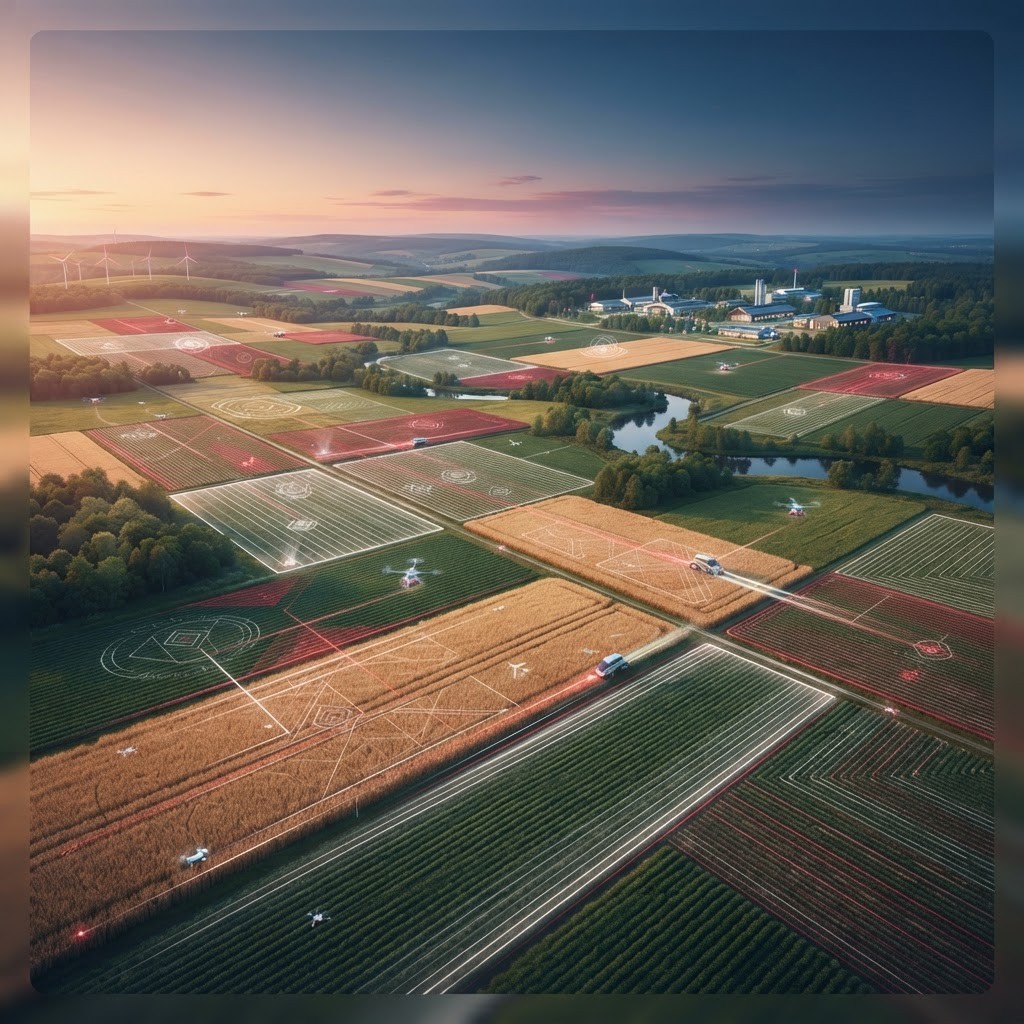
Agriculture at the Heart of Belarus
Agriculture has long been a defining feature of the Belarusian economy and identity. With vast fertile plains, a favorable temperate climate, and a strong tradition of agricultural expertise, the country has developed into a significant producer of grain, dairy, meat, potatoes, and other staples. Farming companies, ranging from large integrated agro-holdings to specialized producers, form the backbone of this sector, ensuring both domestic food security and a healthy export trade.
The modern Belarusian farming enterprise blends the scale of large collective heritage with contemporary technology and management practices. Investment in mechanization, irrigation, livestock genetics, and processing has helped raise productivity and quality, allowing leading companies to compete effectively both regionally and internationally.
Characteristics of Leading Farming Companies
The most successful farming companies in Belarus share several traits. They operate at scale, managing large landholdings and livestock herds that allow for efficiency and consistent output. Many are vertically integrated, controlling everything from crop cultivation and animal husbandry to processing and distribution, which improves quality control and profitability.
Innovation is another hallmark. Top enterprises adopt precision agriculture, modern equipment, and data-driven management to optimize yields and reduce waste. They also invest in their workforce and in rural communities, recognizing that skilled labor and stable local economies are essential to long-term success.
Leading Farming Companies in Belarus
1. Agrokombinat Snov is one of the country's most renowned agricultural enterprises, celebrated for its integrated approach spanning dairy, meat, and crop production, along with its own processing facilities.
2. Belorusskaya Niva operates extensive grain and crop operations, combining large-scale cultivation with modern agronomic practices to deliver consistent harvests.
3. Gastellovskoye is well known for its diversified operations, balancing livestock and crop production while maintaining a reputation for quality and efficiency.
4. Aleksandriyskoye stands out for its advanced dairy and grain production, benefiting from strong management and continued investment in modernization.
5. Krinitsa Agro focuses on integrated crop and livestock farming, supplying both domestic markets and regional buyers with dependable output.
Regional and Specialized Enterprises
6. Vitebsk Agro Group serves the northern regions with mixed farming operations adapted to local soil and climate conditions.
7. Gomel Farming Union combines several agricultural activities across the southeast, emphasizing productivity and rural employment.
8. Grodno Agroholding is recognized for its efficient dairy and crop operations, leveraging fertile land in the western region.
9. Mogilev Fields specializes in grain and potato production, an area of traditional strength within Belarusian agriculture.
10. Brest Rural Enterprises rounds out the list with diversified farming activities supported by proximity to western markets and processing infrastructure.
Livestock, Dairy, and Export Strength
Livestock and dairy production form a particularly strong pillar of Belarusian agriculture, and many of the country's leading farming companies have built their reputations on high-quality milk, cheese, and meat. Belarus is a notable exporter of dairy products within the region, and the integrated operations of its top agro-holdings allow them to maintain strict quality standards from the barn to the processing plant.
These enterprises invest heavily in modern livestock genetics, veterinary care, and feed management to maximize both productivity and animal welfare. The resulting products enjoy a strong reputation for quality, supporting a healthy export trade that brings valuable revenue into the national economy. This vertical integration, combining crop cultivation, animal husbandry, and processing, gives Belarusian farming companies a resilience and efficiency that few regional competitors can match.
Trends Transforming Belarusian Agriculture
Several trends are reshaping the farming sector in Belarus. Precision agriculture, using sensors, GPS-guided machinery, and data analytics, is helping companies optimize planting, fertilization, and harvesting. This technology-driven approach improves yields while conserving resources and reducing environmental impact.
Value-added processing is another growing focus. By developing their own dairy, meat, and grain processing capabilities, leading companies capture more of the supply chain and improve margins. Meanwhile, sustainability and soil health are receiving increasing attention as producers seek to maintain the long-term productivity of their land.
The Future of Farming in Belarus
Belarus's farming companies are well positioned to remain vital contributors to the national economy. Their scale, integration, and growing adoption of modern technology enable them to meet domestic needs while supplying export markets with quality products. Continued investment in innovation and rural development will be key to sustaining this momentum.
For partners, buyers, and rural communities alike, these leading enterprises represent the strength and resilience of Belarusian agriculture. As global demand for food continues to rise and production methods advance, the country's top farming companies are set to play an ever more important role in ensuring food security and driving sustainable growth across the region.
Ultimately, the success of these enterprises reflects a broader national commitment to agriculture as a strategic priority. By combining fertile land, skilled labor, modern technology, and integrated business models, Belarusian farming companies deliver value not only to markets but to the rural communities that depend on them. Their continued evolution will help the country adapt to shifting global conditions while preserving the agricultural heritage that has long defined the nation.
