
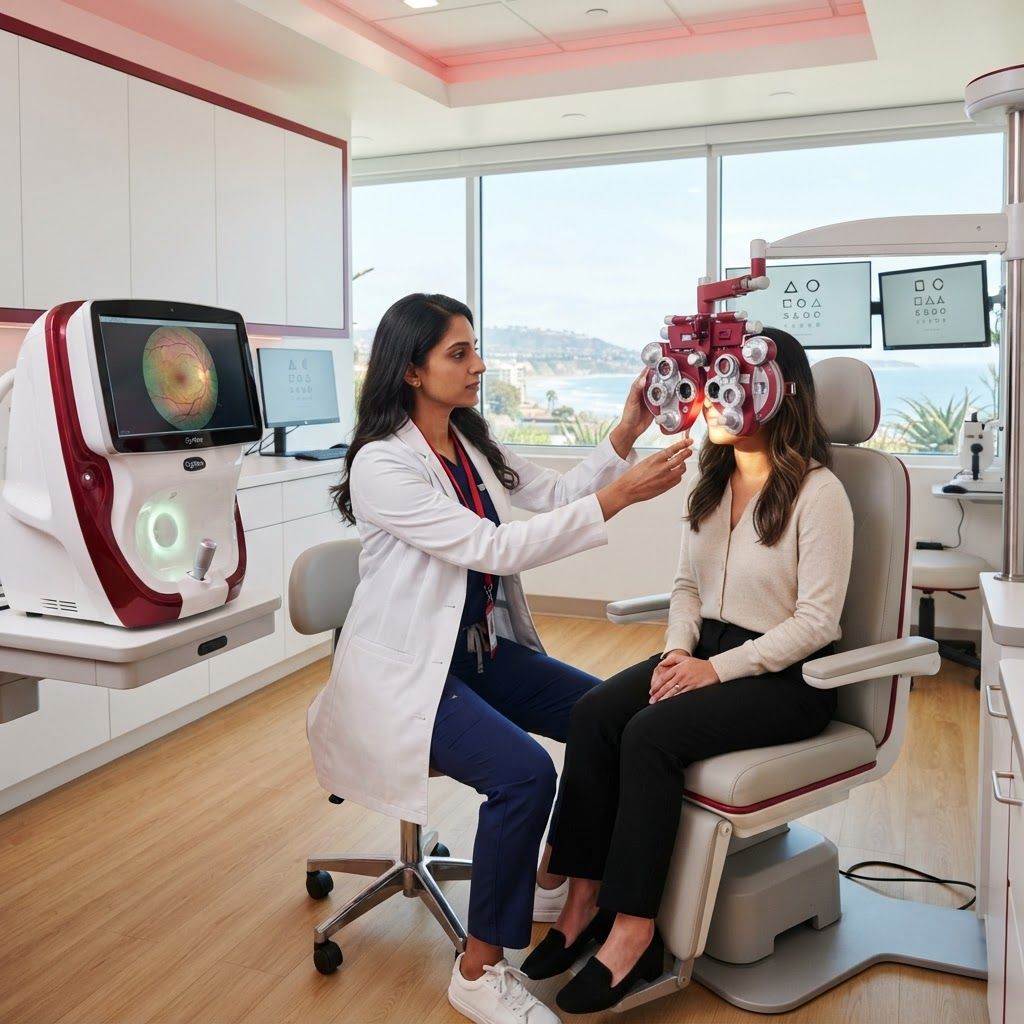
Navigating Eye Care in San Diego
Eye care ranges from routine prescriptions to urgent treatment for conditions that threaten sight. Optometrists typically handle examinations, glasses, contacts, and detection, while ophthalmologists diagnose disease and perform surgery. San Diego has academic centers, large specialty groups, and community practices serving both needs. The following organizations are noteworthy for scope, local reputation, or specialized capability. Patients should verify insurance, clinician credentials, current locations, and whether a referral is required.
1. Shiley Eye Institute at UC San Diego Health
Shiley Eye Institute is a major academic ophthalmology center with services spanning cataracts, cornea, glaucoma, retina, oculoplastics, pediatric ophthalmology, and neuro-ophthalmology. Research and teaching provide access to subspecialty expertise and evolving treatments. It is particularly relevant for complex diagnoses or second opinions, though academic scheduling and referral pathways may differ from routine optical care.
2. Scripps Clinic Division of Ophthalmology
Scripps offers ophthalmology within an integrated health system, allowing eye specialists to coordinate with primary care and other medical teams. This is valuable when diabetes, autoimmune disease, or medication affects vision. Services can include cataract evaluation, retinal care, glaucoma management, and other medical eye treatment. Location and specialty availability should be confirmed.
3. Sharp Rees-Stealy Ophthalmology and Optometry
Sharp Rees-Stealy combines eye examinations and medical eye care with a broad multispecialty network. Connected records and convenient medical-center locations benefit patients already receiving Sharp care. The group can support routine monitoring and referrals to appropriate specialists. Insurance-plan rules may shape access, so members should review authorization requirements.
4. Gordon Schanzlin New Vision Institute
Gordon Schanzlin New Vision Institute is widely associated with refractive and corneal care in San Diego. Patients may consider it for laser vision correction, lens-based procedures, keratoconus evaluation, or complex corneal conditions. Elective procedures require careful screening and realistic expectations. A thorough consultation should discuss candidacy, alternatives, side effects, enhancement policies, and long-term eye health.
5. NVISION Eye Centers
NVISION has a Southern California network offering cataract, refractive, and other ophthalmic services. Its structured surgical pathway and technology-focused approach may appeal to patients comparing vision-correction options. Outcomes depend on individual anatomy and surgeon judgment, not technology alone. Request procedure-specific credentials and a complete explanation of costs and postoperative care.
6. Acuity Eye Group
Acuity Eye Group provides ophthalmology, retina, optometry, and optical services at multiple Southern California locations, including the San Diego region. A multispecialty structure can reduce fragmented referrals when an examination uncovers disease. Patients should identify which services and physicians are available at their nearest site, as capabilities may vary.
7. Morris Eye Group
Morris Eye Group serves San Diego County with medical, surgical, and routine vision care. Offerings commonly include cataract treatment, glaucoma monitoring, retina care, comprehensive exams, and optical services. This range can be convenient for households with different needs. Ask how urgent symptoms are triaged and where surgery or after-hours care takes place.
8. Retina Consultants San Diego
Retina-focused practices are essential for macular degeneration, diabetic retinopathy, retinal tears, and other posterior-eye conditions. Retina Consultants San Diego is known for subspecialty evaluation and treatment. Patients experiencing sudden flashes, new floaters, a curtain-like shadow, or abrupt vision loss should seek urgent professional assessment rather than waiting for a routine appointment.
9. Kaiser Permanente Ophthalmology
Kaiser Permanente integrates optometry, ophthalmology, imaging, pharmacy, and medical records for members. This helps clinicians monitor diabetes-related changes and coordinate surgery or medication. Locations across the county improve access within the Kaiser model. Patients generally need Kaiser coverage and should follow the system's referral process.
10. San Diego Center for the Blind
The San Diego Center for the Blind is not a conventional examination clinic, but it provides crucial rehabilitation and support for people with vision loss. Training can address mobility, daily living, assistive technology, and independence. For patients whose vision cannot be fully restored medically, rehabilitation is an important part of comprehensive eye care and quality of life.
How to Select an Eye Care Provider
Match the provider to the need. Routine prescriptions may begin with an optometrist; persistent pain, injury, sudden changes, or known disease may require an ophthalmologist. For surgery, ask about volume, complication management, facility accreditation, anesthesia, follow-up, and who handles emergencies. Contact-lens wearers need corneal assessment, while children may require pediatric expertise. Insurance coverage for medical eye care is often separate from routine vision benefits.
Eye Health Trends in San Diego
An aging population is increasing demand for cataract, glaucoma, and macular care. At the same time, prolonged screen use contributes to dryness and visual strain, although it does not replace the need to investigate true vision changes. Advanced retinal imaging, minimally invasive glaucoma procedures, and improved lens options continue to expand. San Diego's bright sun also makes ultraviolet protection important. Regular examinations, diabetes control, smoking avoidance, protective eyewear, and prompt attention to sudden symptoms remain the foundations of preserving sight.
