
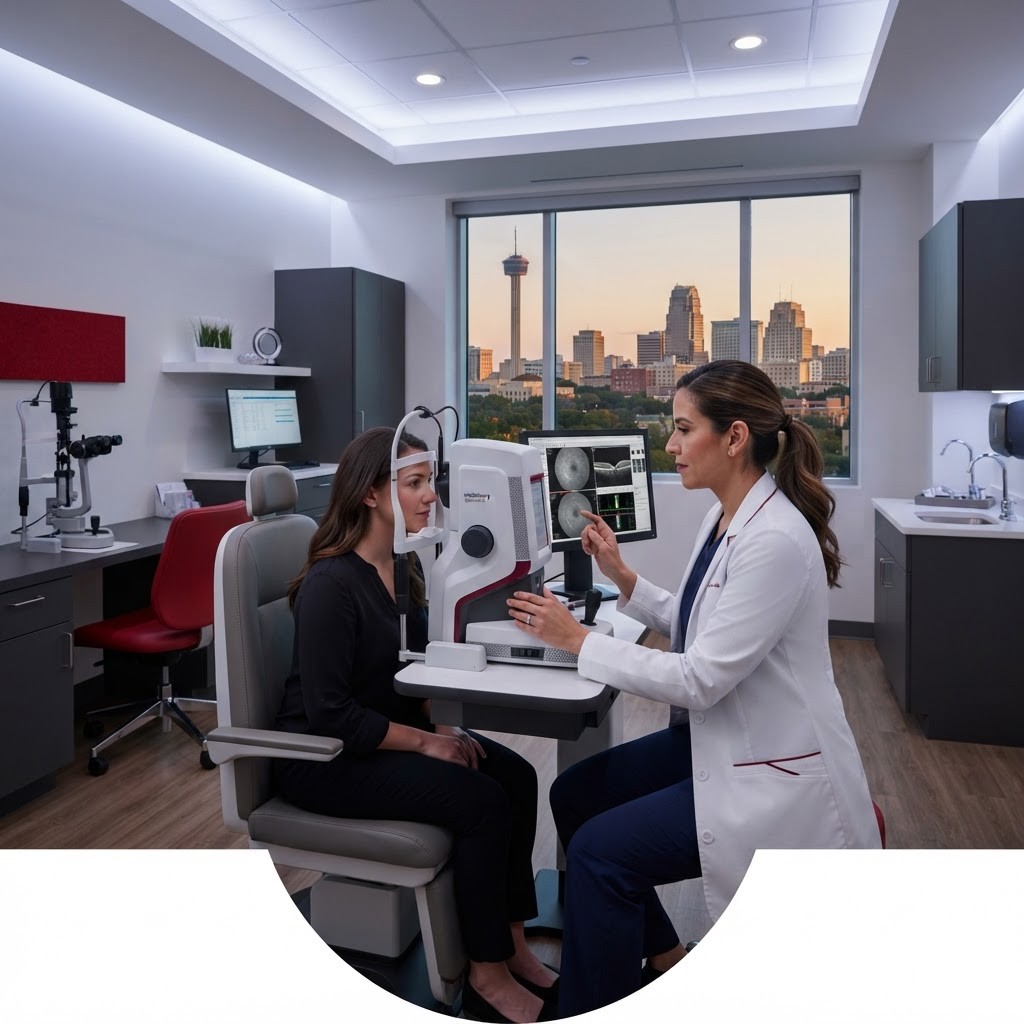
Finding Outstanding Eye Care in San Antonio
San Antonio residents can choose from large ophthalmology groups, academic specialists, neighborhood optometry practices, and focused surgical centers. The right provider depends on whether a patient needs a routine prescription, pediatric support, cataract evaluation, retinal care, glaucoma management, or refractive surgery. Strong eye centers combine qualified clinicians with clear communication, modern diagnostic equipment, coordinated follow-up, and an accessible location. The following ten organizations stand out for their breadth of care, specialist expertise, established local presence, or distinctive patient experience.
1. University Health Eye Care
University Health is a valuable option for patients who benefit from care connected to a major medical system. Its eye services can coordinate with primary care and other specialties, an important advantage for people whose vision is affected by diabetes, neurological disease, trauma, or other complex conditions. Access to an academic environment and multidisciplinary resources makes it especially relevant when a case extends beyond a straightforward prescription.
2. UT Health San Antonio Ophthalmology
UT Health San Antonio brings teaching, research, and subspecialty expertise together. Patients may find support for cataracts, corneal disease, glaucoma, retinal conditions, ocular inflammation, pediatric concerns, and reconstructive needs. The academic model is particularly useful for complicated diagnoses or second opinions. As with any teaching practice, patients should ask how appointments are structured and which member of the care team will handle follow-up.
3. San Antonio Eye Center
San Antonio Eye Center has a broad regional presence and offers medical, surgical, and routine vision services. Its scale can make referrals between optometry and ophthalmology more convenient. The practice is known for cataract care and also addresses glaucoma, retinal conditions, dry eye, and general eye health. Multiple locations may help families find an office near home or work, while centralized expertise supports continuity when needs change.
4. South Texas Eye Institute
South Texas Eye Institute is a notable choice for comprehensive ophthalmology and surgical evaluation. Patients considering cataract treatment often value a center that explains lens choices, expected recovery, and realistic visual goals without rushing the decision. The practice also evaluates other medical eye concerns. Prospective patients should compare insurance participation, testing requirements, and postoperative arrangements before scheduling a procedure.
5. Parkhurst NuVision
Parkhurst NuVision focuses strongly on vision correction and refractive procedures. Its appeal lies in detailed candidacy testing and a range of approaches rather than a single treatment for every patient. People considering laser correction or implantable options should look for transparent discussions of benefits, limitations, dry-eye risk, recovery, and long-term expectations. Elective vision correction is highly individual, so a comprehensive consultation matters.
6. R and R Eye Research
R and R Eye Research combines clinical eye care with participation in ophthalmic research. That orientation may interest patients seeking an experienced medical practice or learning about studies for qualifying conditions. Research involvement does not automatically make a center the best fit, but it can signal familiarity with evolving therapies and rigorous documentation. Patients should always distinguish established treatment from an investigational option and review consent information carefully.
7. Focal Point Vision
Focal Point Vision offers medical and surgical eye care with an emphasis on contemporary diagnostics and patient education. It is relevant for cataract assessment, glaucoma monitoring, corneal concerns, and routine eye health. A good consultation should translate scan results into understandable language and explain why observation, medication, or surgery is recommended. That clarity is a meaningful differentiator for patients managing chronic eye disease.
8. Alamo Eye Care
Alamo Eye Care represents the community-based side of San Antonio vision services. A local practice can be especially convenient for annual exams, contact lenses, eyewear, and early detection of issues that require an ophthalmology referral. Patients often value continuity with the same clinical team. When comparing optometry offices, consider exam thoroughness, urgent-care policies, frame selection, lens counseling, and how easily records can be shared with specialists.
9. Stone Oak Ophthalmology
Stone Oak Ophthalmology serves residents in the growing north San Antonio area and provides a specialist setting for medical and surgical eye concerns. Convenience can improve adherence to follow-up, particularly for glaucoma checks or postoperative visits. Patients should evaluate not only the physician’s credentials but also appointment availability, responsiveness, and the practice’s process for questions that arise after treatment.
10. Medical Center Ophthalmology Associates
Medical Center Ophthalmology Associates has a long-standing presence and a wide clinical scope. A multispecialty group can simplify care for families whose members have different needs, from pediatric evaluation to retinal disease or cataract surgery. Its location within San Antonio’s medical community also supports professional referral networks. Patients with complex histories should bring medication lists, prior imaging, and relevant records to make consultations more productive.
How to Choose the Right Center
Begin with the service required and verify that the clinician, not simply the organization, regularly handles that condition. Check professional credentials, insurance participation, facility fees, diagnostic testing, accessibility, and expected wait times. For surgery, ask about complication rates in context, after-hours support, postoperative visits, alternatives, and total out-of-pocket cost. San Antonio’s size makes travel practical considerations important, especially when dilation or repeated treatment prevents driving.
Eye Care Trends to Watch
Local providers increasingly use high-resolution retinal imaging, optical coherence tomography, advanced lens calculations, and minimally invasive glaucoma techniques. Telehealth can support selected follow-ups, although it cannot replace a dilated examination when one is clinically necessary. Dry-eye treatment and myopia management are also receiving greater attention. The best center is ultimately the one that matches the patient’s condition, communicates honestly, and provides dependable long-term care rather than merely the newest technology.
Practical Next Steps
Create a shortlist based on the factors that matter most, then confirm current services directly before making a commitment. Prepare specific questions, compare written information on an equal basis, and keep notes after each conversation or visit. Independent credentials, applicable public records, transparent policies, and recent firsthand observations provide more useful evidence than promotional claims alone. Needs can change over time, so consider not only the immediate decision but also follow-up, continuity, accessibility, and the process for resolving concerns. A thoughtful comparison helps San Antonio residents choose a provider or organization whose capabilities, communication, cost, and day-to-day experience align with their priorities.
