
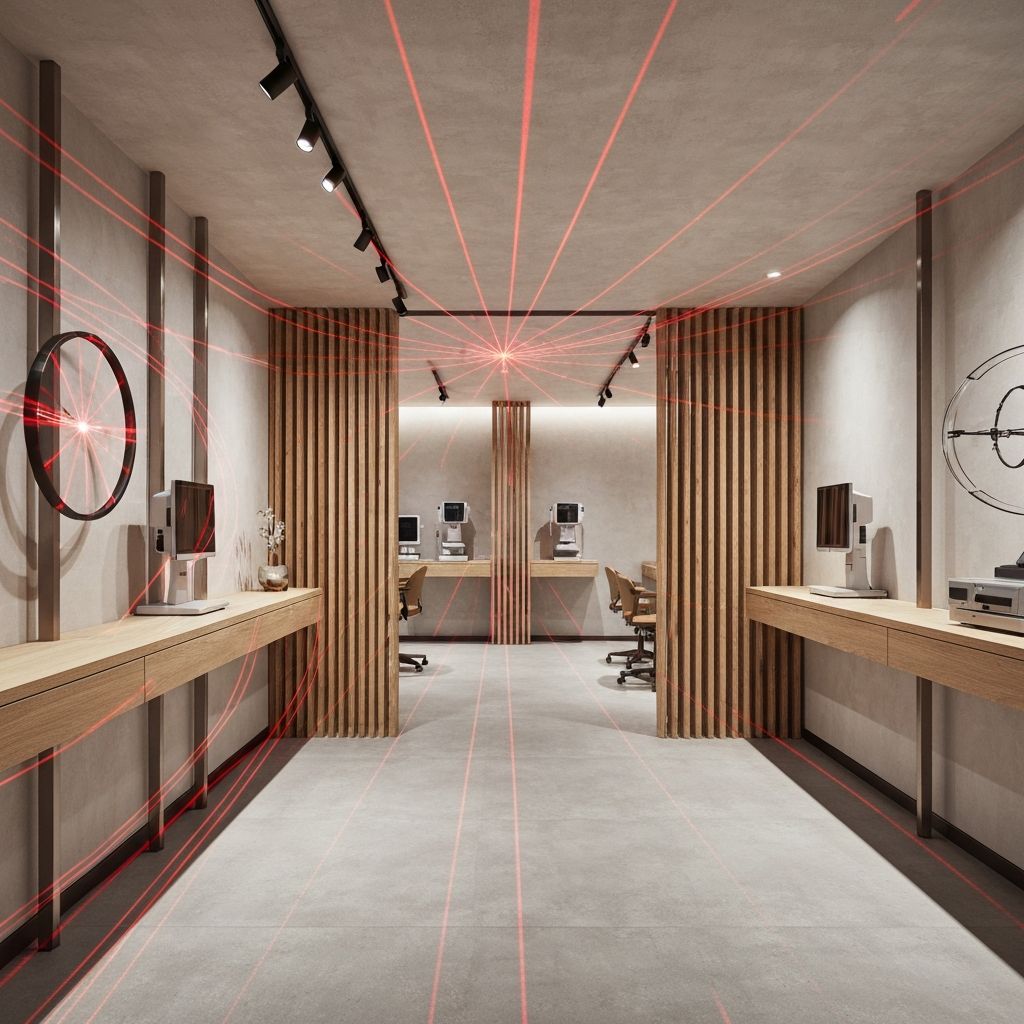
Vision Care Excellence in China
China's eye care industry has experienced tremendous growth, driven by increasing rates of myopia, an aging population requiring cataract and glaucoma treatment, and rising demand for refractive surgery. Leading eye care centers have emerged as centers of excellence, combining advanced technology with specialized expertise to address the full spectrum of visual conditions. These institutions serve millions of patients annually, from children requiring myopia management to seniors seeking restored vision through surgical intervention.
The commitment to innovation in Chinese ophthalmology is evident in the rapid adoption of advanced diagnostic equipment, laser systems, and surgical techniques. Many leading centers participate in clinical research and have contributed to advancing global understanding of eye diseases and treatments. The integration of artificial intelligence for screening and diagnosis further enhances capabilities, enabling earlier detection and more precise treatment planning.
Aier Eye Hospital Group
Aier Eye Hospital Group stands as China's largest eye care network and one of the world's most extensive ophthalmic organizations. With hundreds of hospitals and clinics across China and international locations, Aier provides accessible eye care to diverse populations. Their services encompass refractive surgery, cataract treatment, glaucoma management, retinal diseases, and pediatric ophthalmology. Aier's scale enables significant investment in technology and talent development, while their research initiatives advance ophthalmic science.
C-MER Eye Care
C-MER Eye Care operates premium eye hospitals delivering international-standard services. Originating from Hong Kong and expanding into mainland China, C-MER brings rigorous quality standards and experienced specialists to patients seeking exceptional care. Their expertise spans corneal diseases, refractive surgery, medical retina, and surgical retina. C-MER's emphasis on patient experience includes comfortable facilities, clear communication, and comprehensive follow-up care ensuring optimal outcomes.
He Eye Specialist Hospital
He Eye Specialist Hospital has built recognition for excellence in complex eye disease treatment and innovative surgical techniques. Their specialists handle challenging cases referred from other institutions, demonstrating expertise in areas including corneal transplantation, glaucoma surgery, and vitreoretinal procedures. He Eye's academic contributions and training programs influence ophthalmic practice throughout China, while their patient care maintains personal attention despite growing reputation.
Bright Eye Hospital
Bright Eye Hospital focuses on refractive surgery, offering multiple vision correction options for patients seeking freedom from glasses and contact lenses. Their comprehensive evaluation protocols ensure appropriate candidate selection, while experienced surgeons perform procedures using the latest laser platforms. Bright Eye's preoperative counseling sets realistic expectations, and their postoperative care programs monitor healing progress. Patient satisfaction rates reflect careful attention to the complete surgical experience.
Wuhan Aige Eye Hospital
Wuhan Aige Eye Hospital serves central China with comprehensive ophthalmic services. Their facility features advanced diagnostic equipment and multiple surgical suites equipped for diverse procedures. Aige's specialists provide care for conditions ranging from common refractive errors to complex retinal diseases. The hospital's community outreach programs promote eye health awareness and provide screening services to underserved populations, demonstrating commitment beyond clinical excellence.
Peking University Eye Center
Peking University Eye Center combines academic excellence with clinical care, associated with one of China's most prestigious universities. Their physicians engage in both patient care and research, contributing to scientific literature and advancing treatment understanding. The center's subspecialty clinics address specific conditions with focused expertise, while their training programs develop future ophthalmology leaders. Patients benefit from evidence-based approaches and access to innovative treatments through clinical trials.
Zhongshan Ophthalmic Center
Zhongshan Ophthalmic Center, affiliated with Sun Yat-sen University, ranks among China's top academic eye care institutions. Their comprehensive services address all ophthalmic subspecialties, supported by extensive research activities. The center's historical contributions to Chinese ophthalmology continue through ongoing innovation and education. International collaborations enhance their capabilities while sharing Chinese expertise globally. Patients receive care informed by the latest scientific evidence and delivered by highly trained specialists.
Shanghai Aier Eye Hospital
Shanghai Aier Eye Hospital represents the Aier network's presence in China's most cosmopolitan city, catering to demanding patients expecting premium service. Their facility showcases advanced technology and contemporary design, while their specialists bring expertise from leading institutions worldwide. Services include all ophthalmic subspecialties with particular strength in refractive surgery and premium intraocular lens implantation. Shanghai Aier's patient experience emphasizes convenience, communication, and personalized care plans.
Beijing Tongren Hospital Eye Center
Beijing Tongren Hospital Eye Center holds historical significance as one of China's oldest and most respected ophthalmic institutions. Their tradition of excellence continues through modern facilities and ongoing innovation. The center's high-volume surgical experience ensures procedural expertise, while their comprehensive services address patients throughout their lives. Tongren's influence on Chinese ophthalmology extends through training programs that have developed countless eye care professionals throughout the country.
Selecting the Right Eye Care Center
Choosing an appropriate eye care center depends on specific visual needs, condition complexity, and personal preferences. Patients should consider specialist expertise relevant to their conditions, technology availability, facility accreditation, and practical factors including location and scheduling flexibility. Many centers offer initial consultations to assess needs and discuss treatment options. As China's eye care industry continues developing, patients increasingly benefit from accessible, high-quality services that preserve and restore precious vision.
