
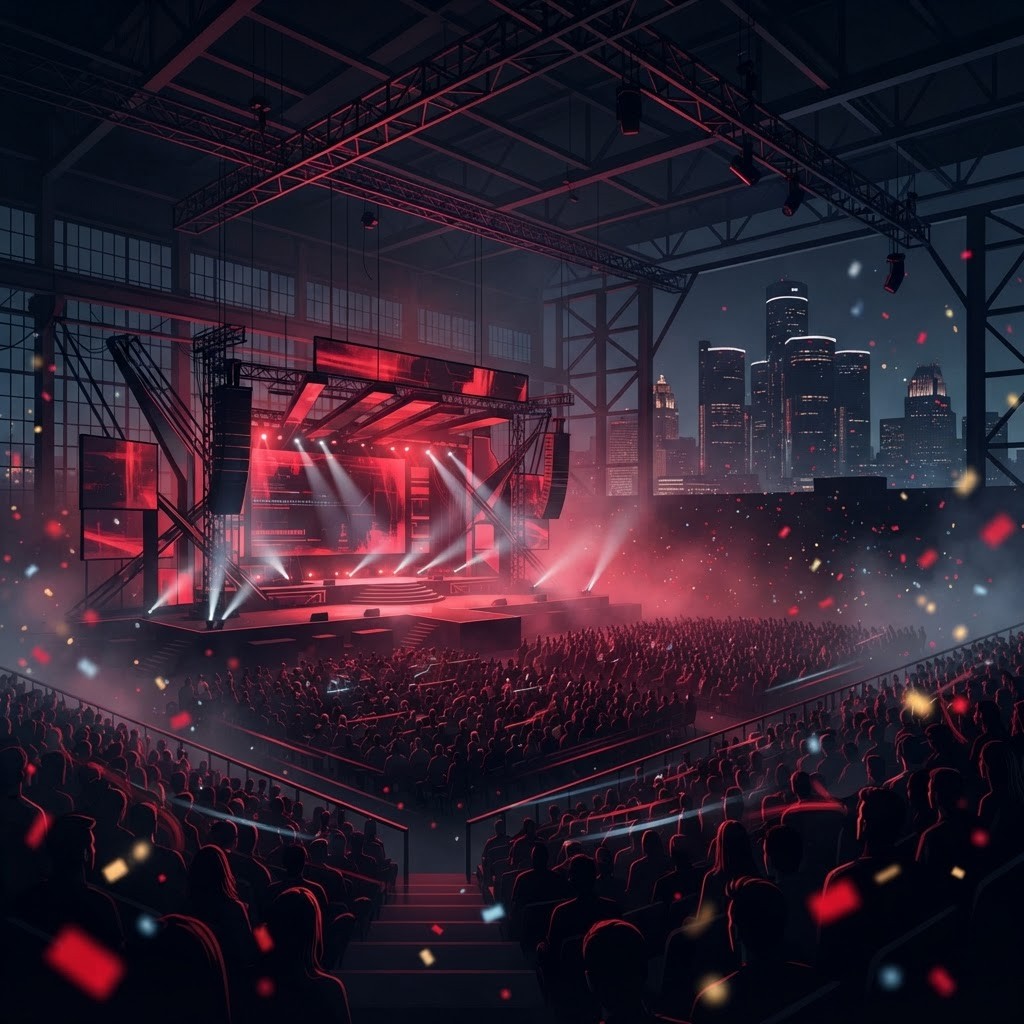
Why Detroit Has Become a Serious Events City
Detroit's revival has been written in steel, glass, and glitter. Over the last decade, restored theatres, converted auto plants, riverfront plazas, and rooftop lofts have given planners a canvas unlike anything else in the Midwest. A corporate summit can occupy a Beaux-Arts ballroom downtown in the morning and finish with a reception in a raw industrial space in Corktown the same evening. That range is exactly why the city's event management companies have grown so capable: they have had to learn how to build polished experiences inside unconventional walls.
The result is a professional community that understands permits, union labor, load-in logistics, Michigan weather contingencies, and the hospitality expectations of automotive, healthcare, and technology clients. Whether you are producing a 2,000-person conference, a nonprofit gala, an auto industry product reveal, or a wedding weekend, the right partner will save you money and protect your reputation.
The 10 Best Event Management Companies in Detroit
1. Pop + Dot
Known for bold, design-forward experiences, this team leans heavily into custom fabrication, immersive branding, and photographable moments. They are frequently chosen for brand activations and milestone celebrations where the visual concept has to feel entirely original rather than pulled from a rental catalog.
2. Motor City Event Group
A full-service production house with strong technical depth in staging, audio, lighting, and video. Their strength is large-format corporate work where run-of-show precision matters, and they are comfortable coordinating multi-day agendas with breakout sessions, sponsors, and executive speakers.
3. Bellanca Event Design
This studio focuses on elevated social events, particularly weddings and private milestone dinners. Floral architecture, tabletop styling, and guest-flow choreography are handled with a level of restraint that suits historic Detroit venues rather than competing with them.
4. Detroit Event Collective
A collaborative model that assembles specialists per project, giving clients flexibility on scope and budget. They are a strong option for nonprofits and community organizations that need experienced oversight without paying for a large agency retainer.
5. Encore Event Solutions
Logistics is the specialty here: transportation, registration, housing blocks, credentialing, and vendor management. Association meetings and citywide conferences benefit from their process-driven approach and detailed contingency planning.
6. Renaissance Event Partners
Positioned around corporate hospitality, this firm handles sponsor lounges, VIP programs, and executive retreats. Their teams are practiced at discreet, high-touch service for automotive and financial clients who expect confidentiality alongside polish.
7. Woodward Avenue Events
Rooted in downtown venue relationships, they excel at street-level and public-facing events, including festivals, block parties, and grand openings. Permitting knowledge and municipal coordination are genuine differentiators in this category.
8. Great Lakes Event Co.
A regional operator with a strong rental and decor inventory, which keeps costs predictable for mid-sized budgets. Clients often use them for holiday parties, employee appreciation events, and seasonal fundraisers where turnaround time is short.
9. Vista Event Productions
Technical production and content creation sit at the center of their offering, including hybrid and livestreamed programming. Companies with distributed teams frequently hire them to make a Detroit-based event accessible to remote audiences without losing energy.
10. Anchor Hospitality Events
Culinary-led programming defines this group, with menu development, beverage curation, and service staffing coordinated in-house. They are a natural fit for tasting dinners, chef collaborations, and awards banquets where food is the story.
Industry Trends Shaping Detroit Events
Three shifts are visible across the city. First, experience design has replaced decoration: clients want guests to move through a narrative rather than sit in a decorated room. Second, hybrid capability is now standard, and planners are expected to deliver a broadcast-quality stream alongside the in-person program. Third, sustainability requirements are entering RFPs, with clients asking about reusable decor, local sourcing, waste diversion, and measurable impact reporting.
Budget structures have also changed. Many Detroit companies now quote in tiers, separating creative direction, production, and staffing so clients can control spend transparently. This is helpful for organizations comparing proposals, because it exposes where the real cost sits.
How to Choose the Right Event Partner
Start with event type rather than agency size. A firm that produces flawless conferences may not be the right choice for an intimate wedding, and vice versa. Ask for a case study that closely resembles your event in scale and format, then request references from that specific project.
Next, clarify who is actually on site. Some agencies sell senior talent and staff the event with juniors. Confirm the day-of team, the chain of command, and how decisions get made when something changes. Review the insurance certificates, vendor contracts, and cancellation terms carefully, especially for outdoor Detroit events between November and April.
Finally, evaluate communication style during the proposal stage. A planner who is organized, responsive, and specific before you sign will almost always run a calmer event. Look for detailed timelines, floor plans, and clear assumptions rather than broad promises.
Final Thoughts
Detroit rewards planners who understand its character: industrial texture, architectural grandeur, deep music culture, and genuine civic pride. The companies above represent the range available in the market, from design studios to technical production houses to logistics-first operators. Define your priorities, interview at least three firms, and choose the partner whose strengths match the outcome you actually need.
