
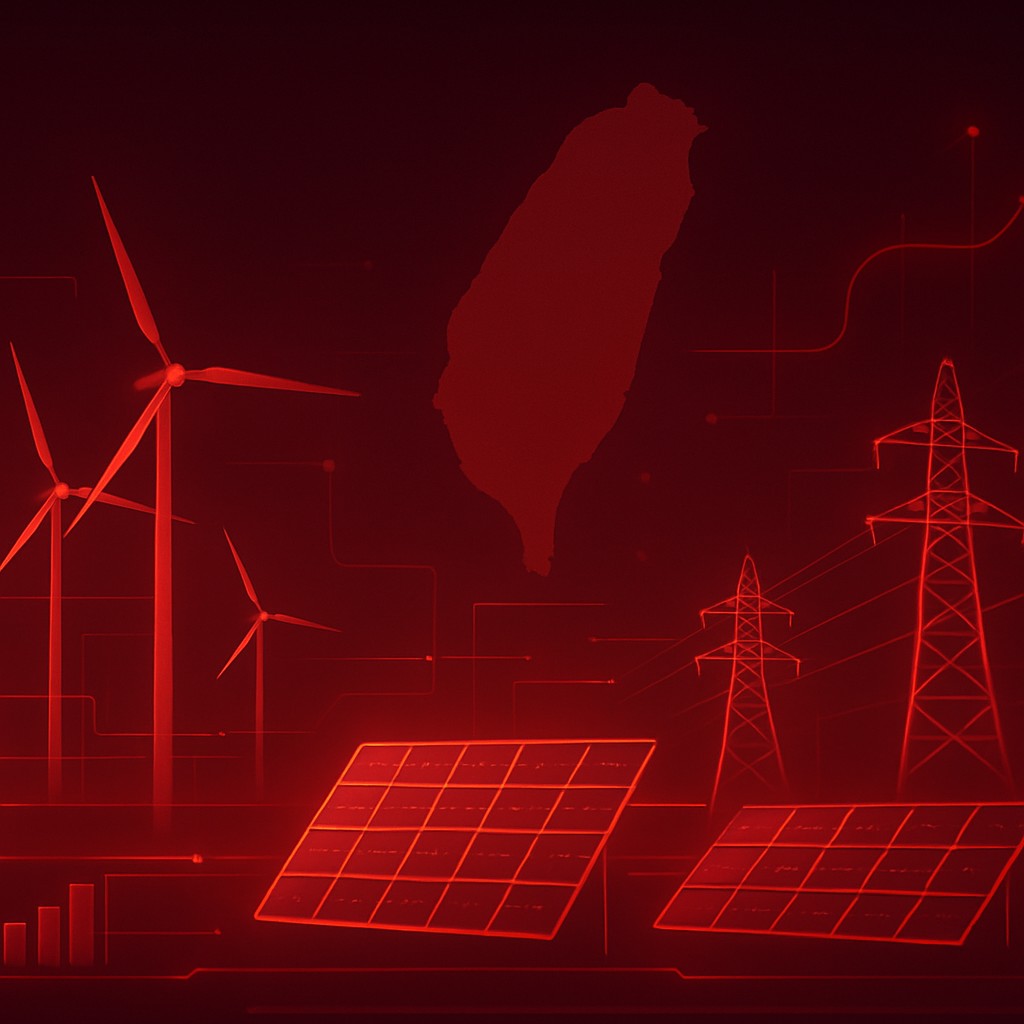
An Overview of Taiwan's Energy Sector
Taiwan operates one of the most demanding energy markets in Asia, driven by a dense population, a powerhouse manufacturing economy, and a strong national push toward decarbonization. With limited domestic fossil fuel reserves, the island imports the overwhelming majority of its primary energy, making reliability, diversification, and sustainability central concerns for both policymakers and businesses. The energy suppliers operating here play a critical role in keeping factories running, homes powered, and the high-tech sector globally competitive.
Over the past decade, Taiwan has committed to an energy transition that reduces dependence on coal and nuclear power while expanding renewables, particularly offshore wind and solar. This shift has attracted both established domestic utilities and international developers, creating a dynamic environment where traditional power providers and clean-energy innovators coexist.
What Makes a Leading Energy Supplier
The best energy suppliers in Taiwan distinguish themselves through grid reliability, generation capacity, investment in clean technology, and the ability to serve industrial clients with stable, high-volume power. Companies that integrate renewable sources, improve transmission efficiency, and support the island's net-zero ambitions tend to earn the strongest reputations among consumers and corporate buyers alike.
Top Energy Suppliers Shaping Taiwan's Future
Taiwan Power Company (Taipower) remains the dominant force in the sector. As the state-owned utility, Taipower generates and distributes the vast majority of the island's electricity, operating a diverse portfolio of thermal, hydroelectric, and renewable assets. Its scale, infrastructure, and ongoing grid modernization make it the backbone of national energy security.
CPC Corporation, Taiwan is the leading state energy company focused on petroleum and natural gas. It manages refining, importing, and distribution of fuels and liquefied natural gas, supplying both transportation and power-generation needs across the country.
Ørsted Taiwan, the local arm of the Danish offshore wind leader, has become a defining player in the island's renewable expansion. Its large-scale offshore wind farms in the Taiwan Strait have helped establish the region as one of Asia's most important wind energy hubs.
CSC Steel and Sungrow-affiliated developers and other industrial conglomerates have also entered renewable generation, often building solar and wind capacity to power their own operations while contributing surplus energy to the grid.
Copenhagen Infrastructure Partners (CIP) Taiwan has invested heavily in offshore wind, bringing international expertise and capital to projects that significantly boost clean generation capacity.
wpd Taiwan, a German renewable energy developer, operates onshore and offshore wind projects and has been instrumental in localizing supply chains for turbine components.
Taiya Renewable Energy focuses on solar power development, building utility-scale photovoltaic installations that take advantage of Taiwan's southern sunshine.
Chenya Energy has gained recognition for floating solar projects, an innovative approach well suited to an island with limited available land.
Star Energy and similar independent power producers supply gas-fired generation that provides flexible capacity, helping balance the grid as intermittent renewables grow.
Yushan Energy, a joint venture-backed offshore wind developer, rounds out the list with projects that strengthen the island's renewable pipeline and support long-term decarbonization goals.
Industry Trends and Innovations
Offshore wind is the headline story of Taiwan's energy transition. The shallow, windy Taiwan Strait offers world-class conditions, and the government's structured auction and feed-in tariff programs have drawn billions in investment. Floating solar and rooftop photovoltaic systems are expanding rapidly, while energy storage and smart-grid technologies are being deployed to manage variability and improve resilience against typhoons and earthquakes.
Another major trend is the push by global technology manufacturers based in Taiwan to source renewable power. Corporate power purchase agreements have surged as semiconductor and electronics firms seek to meet international sustainability commitments, creating new demand that energy suppliers are racing to serve.
Benefits for Businesses and Consumers
A diversified, reliable energy supply underpins Taiwan's economic strength. For industrial users, consistent power and access to green electricity are essential for maintaining global competitiveness and meeting export-market environmental standards. For households, the transition promises cleaner air and a more sustainable long-term energy mix, even as the system navigates the challenges of phasing out older generation sources.
Conclusion
Taiwan's energy sector sits at a pivotal moment, blending the stability of established utilities with the momentum of a fast-growing renewable industry. The suppliers profiled here each contribute to a more secure, sustainable, and resilient power system. As the island advances toward its clean-energy targets, these companies will continue to shape how Taiwan powers its homes, its factories, and its world-leading technology sector for decades to come.
