
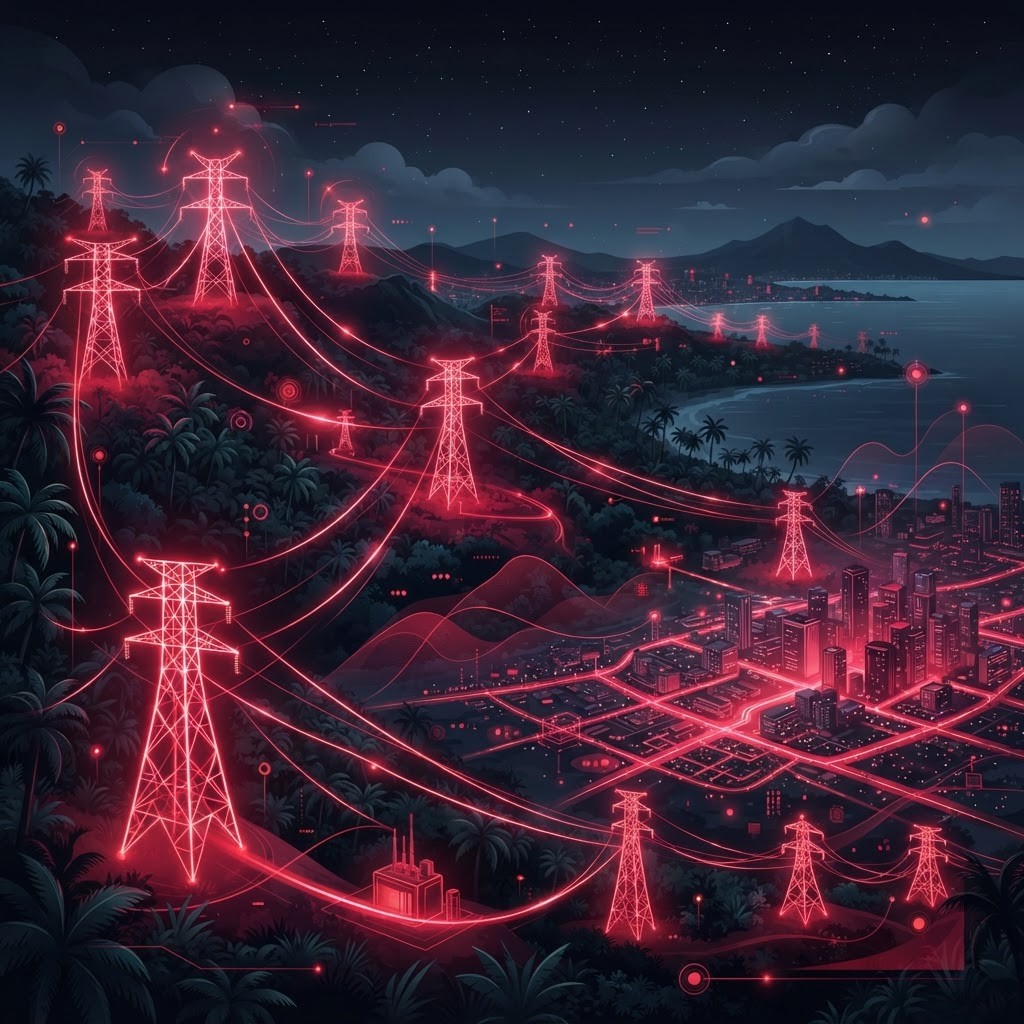
Understanding Nicaragua's Energy Supply Chain
Reliable electricity is the backbone of a modern economy, and in Nicaragua a network of generators, transmission operators, and distribution utilities work together to keep the lights on. The country's power sector has evolved into a mix of public and private participants, spanning renewable and thermal generation, national transmission, and regional distribution. Understanding who supplies energy, and how, helps businesses and consumers appreciate the reliability they often take for granted.
Nicaragua's electricity supply is notable for its diversity. Geothermal, wind, hydroelectric, biomass, solar, and thermal plants all feed a national grid managed by transmission and dispatch operators, while distribution companies deliver power to end users. The leading suppliers combine dependable generation with strong operational management to maintain stability across this complex system.
What Defines a Top Energy Supplier
The best energy suppliers deliver consistent power at fair prices while investing in infrastructure that reduces outages and losses. They maintain transparent billing, responsive customer service, and clear communication during maintenance or disruptions. For large commercial and industrial clients, suppliers that offer flexible contracts and technical support stand out. Reliability, coverage, and service quality are the ultimate measures of excellence.
The Top 10 Energy Suppliers
1. DISNORTE-DISSUR (Disnorte and Dissur). As the principal electricity distribution utilities serving the north and south of the country, these operators deliver power to the majority of Nicaraguan households and businesses, making them central to daily reliability.
2. ENATREL (Empresa Nacional de Transmisión Eléctrica). The national transmission operator manages the high-voltage grid and system dispatch, ensuring that generation reaches distribution networks efficiently and securely.
3. ENEL (Empresa Nicaragüense de Electricidad). The public generation and electrification entity plays a strategic role in national energy policy, rural electrification, and generation asset management.
4. Polaris Energy Nicaragua. A leading geothermal generator, Polaris supplies dependable baseload renewable power that anchors the grid regardless of weather conditions.
5. Grupo Terra Energy Division. With wind and diversified generation assets, Grupo Terra is a major independent power producer contributing significant clean capacity to the national supply.
6. Grupo Pellas Energy. Through biomass cogeneration at its sugar operations, Grupo Pellas supplies renewable electricity while demonstrating an efficient circular-economy model.
7. Enel Green Power (regional operations). Bringing international expertise across multiple renewable technologies, this producer supports stable, clean generation with strong asset management practices.
8. Ormat Technologies Nicaragua. A specialized geothermal supplier, Ormat contributes efficient, continuous renewable output and is respected for plant reliability and engineering excellence.
9. Alba de Nicaragua Energy. Participating in national generation initiatives, this entity has contributed thermal and renewable capacity that supports overall supply adequacy.
10. Blue Power & Energy. As a growing distributed-generation provider, Blue Power enables commercial clients to become partial self-suppliers through solar, easing demand on the central grid.
Trends Shaping Energy Supply
Grid modernization is a defining trend. Investments in transmission upgrades, smart metering, and loss reduction are improving reliability and efficiency. As renewable penetration grows, dispatch operators are refining how they balance variable wind and solar with steady geothermal and hydro resources, increasingly considering storage to smooth fluctuations.
Distributed generation is also reshaping the supply landscape. As more businesses install solar, the traditional one-directional flow of electricity is evolving toward a more interactive model. Suppliers that adapt to this decentralized future, integrating rooftop generation and offering flexible service, will lead the next era.
Rural Electrification Progress
Extending reliable electricity to rural communities remains a national priority. Grid expansion, mini-grids, and off-grid renewable systems are bringing power to areas that were long underserved. This progress improves education, healthcare, and economic opportunity, and it reflects the broader mission of the country's energy suppliers to serve all citizens.
Choosing and Working with Suppliers
For most households, the distribution utility is a given, but businesses often have more options, including negotiating supply contracts or investing in self-generation. When evaluating options, consider reliability history, service responsiveness, contract flexibility, and the supplier's investment in infrastructure. For industrial users, power quality and the ability to support growing demand are especially important.
Reliability and Power Quality
For businesses and industries, reliability and power quality are just as important as price. Voltage stability, minimal outages, and consistent frequency protect sensitive equipment and prevent costly production interruptions. The leading suppliers and grid operators invest in maintenance, redundancy, and monitoring systems to keep power quality high, while communicating proactively about planned maintenance so clients can prepare. Industrial customers increasingly seek suppliers who can support growing demand and offer technical guidance on energy efficiency. As the economy expands and more precision manufacturing takes root, the ability to deliver clean, stable power will become an even more decisive competitive factor for the country's energy suppliers.
The Future of Energy Supply
Nicaragua's energy supply system is becoming cleaner, more resilient, and more responsive. The suppliers profiled here form the backbone of a grid that increasingly relies on domestic renewable resources. As modernization continues and distributed generation expands, these organizations will remain essential to delivering the reliable, affordable electricity that powers the nation's homes, businesses, and future growth.
