
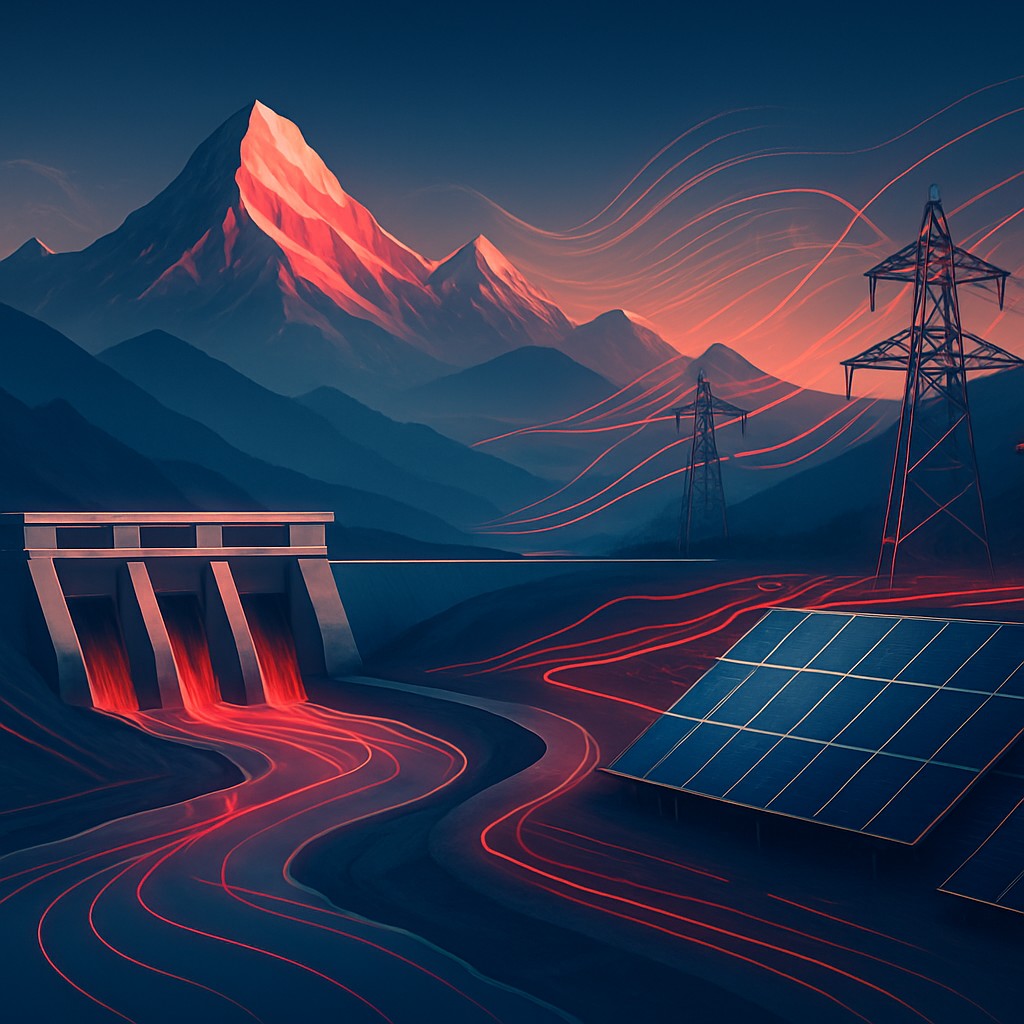
Powering Nepal's Growth
Energy is the engine of Nepal's development, and the companies that supply it occupy a position of immense national importance. Blessed with extraordinary hydropower potential thanks to its steep rivers and Himalayan snowmelt, Nepal has built much of its electricity system around water. In recent years, however, the supply landscape has diversified to include solar, biomass, and emerging wind projects, creating a richer and more resilient energy ecosystem.
Reliable energy supply underpins everything from rural electrification to industrial expansion and digital connectivity. As Nepal works to electrify more households and reduce load-shedding, the suppliers featured here are at the heart of that transformation.
The Foundation: Hydropower and Beyond
Hydropower remains the dominant source of electricity in Nepal, with numerous run-of-river and storage projects feeding the national grid. Yet the country recognizes the risks of relying too heavily on a single source, particularly given seasonal river-flow variability. This awareness has spurred investment in solar parks, biomass plants, and decentralized renewable systems that bring power to areas the central grid struggles to reach.
The combination of large utilities and nimble private developers gives Nepal a layered energy supply structure capable of serving diverse needs across varied terrain.
Leading Energy Suppliers in Nepal
The organizations below represent the breadth of Nepal's energy supply sector, from the national utility to specialized renewable developers.
1. Nepal Electricity Authority (NEA): The state utility responsible for generation, transmission, and distribution, NEA is the central pillar of Nepal's electricity supply. It manages the national grid and coordinates the integration of independent power producers.
2. Butwal Power Company (BPC): One of Nepal's pioneering private power producers, BPC operates hydropower plants and provides engineering and operations expertise that has shaped the sector for decades.
3. Chilime Hydropower Company: A successful run-of-river hydropower producer, Chilime is known for strong operational performance and serving as a model for community-linked power development.
4. Himal Power Limited: An established independent power producer, Himal Power contributes significant hydropower capacity and brings international operating standards to its facilities.
5. Sanima Hydropower: Part of a broader investment group, Sanima develops and operates multiple hydropower projects, expanding generation capacity across the country.
6. Gham Power: A leading solar energy supplier, Gham Power delivers rooftop systems, solar microgrids, and decentralized renewable solutions to homes, businesses, and remote communities.
7. Ridge Energy: Focused on distributed renewable supply, Ridge Energy designs and installs solar and hybrid systems that strengthen energy access in underserved regions.
8. Api Power Company: A hydropower developer operating in the far-western region, Api Power adds valuable generation capacity to a part of the country with strong resource potential.
9. Arun Valley Hydropower: Developing projects along resource-rich river basins, Arun Valley contributes clean generation and supports regional energy stability.
10. Solar Electricity Company Nepal: Specializing in commercial and industrial solar supply, this company helps businesses reduce grid dependence and lower energy costs through renewable installations.
Industry Trends
Nepal's energy supply sector is evolving rapidly. Grid modernization is improving reliability and reducing transmission losses. The rise of independent power producers has injected private capital and innovation into generation. Decentralized renewables, particularly solar microgrids, are expanding access in mountainous and remote districts where extending the central grid is impractical.
Cross-border electricity trade is another emerging theme, with the potential for Nepal to export surplus hydropower during high-flow seasons, turning energy into a source of national revenue.
Challenges and Outlook
The sector faces challenges including seasonal generation variability, transmission bottlenecks, and the need for substantial infrastructure investment. Financing large projects and ensuring equitable rural access also require ongoing effort. Nevertheless, the outlook is bright. With abundant natural resources, growing investment, and supportive policies, Nepal is well positioned to achieve energy surplus and broaden access.
The diversification toward solar, wind, and storage will make the supply system more robust, ensuring that growth in demand can be met reliably and sustainably.
Conclusion
Nepal's energy suppliers are building the foundation for a prosperous, electrified future. From the national utility to innovative renewable developers, these organizations collectively power the nation's homes, industries, and aspirations. As technology advances and the energy mix diversifies, Nepal's supply sector stands ready to deliver cleaner, more reliable, and more accessible energy for generations to come.
