
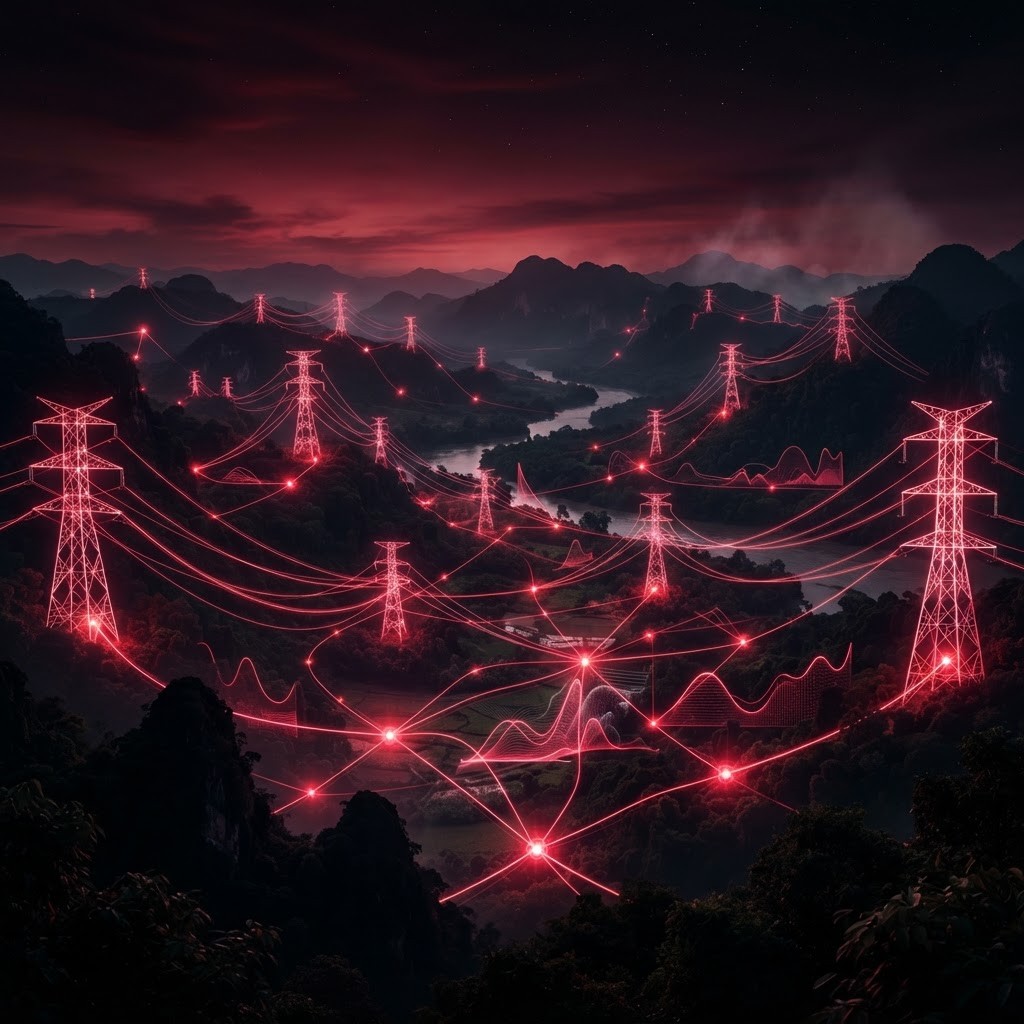
Powering a Growing Nation
Energy supply sits at the heart of the Lao economy, connecting the country's abundant natural resources with the homes, businesses, and industries that depend on reliable power. The energy suppliers of Laos encompass a broad ecosystem: the national electricity utility, independent power producers, transmission operators, fuel distributors, and specialized providers serving industrial clients. Together, they ensure that electricity generated from rivers, sunshine, and wind reaches consumers domestically while also flowing across borders to regional markets. As demand grows and the energy mix diversifies, these suppliers are investing in infrastructure, technology, and service quality to meet the needs of a modernizing nation.
Understanding the leading energy suppliers reveals how Laos manages the entire chain from generation to consumption. It also highlights the strategic importance of a sector that not only powers domestic development but also generates significant export revenue, reinforcing the country's ambition to be a regional energy hub.
The Structure of Lao Energy Supply
The Lao energy supply system combines state leadership with private participation. The national utility manages transmission and distribution while coordinating with numerous independent power producers that own generation assets. This structure allows the country to attract private capital and expertise while retaining strategic control over the grid. Beyond electricity, fuel distributors ensure the availability of petroleum products essential for transport and backup generation. Increasingly, suppliers are integrating renewable sources, upgrading grids, and exploring storage and smart technologies to enhance reliability and efficiency.
Leading Energy Suppliers in Laos
Electricite du Laos (EDL) is the central force in the national energy supply, responsible for transmission, distribution, and coordination of generation across the country. It manages the grid, oversees electrification programs, and facilitates cross-border power trade, making it the most influential supplier in the nation.
EDL-Generation Public Company (EDL-Gen) is the listed generation arm supplying substantial electricity from its hydropower portfolio, combining professional operations with transparent reporting valued by investors.
Nam Theun Power Company supplies large volumes of clean electricity from its major hydropower assets, contributing significantly to both domestic supply and exports.
Xayaburi Power Company delivers reliable generation from its run-of-river project on the Mekong, incorporating modern environmental management into its operations.
PetroTrade is a key energy supplier on the fuel side, managing strategic petroleum storage and distribution that keeps transport and industry running.
PTT Lao supplies fuels and lubricants through an extensive service station network, serving motorists and businesses with consistent quality.
Independent power producers and Sino-Lao joint ventures supply electricity from a range of hydropower and hybrid projects, adding capacity and diversity to the national mix.
Impact Energy Asia is advancing the supply of wind-generated electricity, expanding the range of clean sources available for domestic use and export.
Sunlabob Renewable Energy supplies distributed and off-grid solar power to rural communities, extending energy access beyond the main grid.
Provincial distribution cooperatives and industrial suppliers complete the ecosystem, delivering electricity and fuel to remote districts, factories, and commercial clients with tailored service.
Trends Transforming Energy Supply
The Lao energy supply landscape is undergoing meaningful transformation. Grid modernization is a top priority, with new transmission lines and substations enabling more efficient power flows and greater export capacity. Diversification is accelerating as solar, wind, and storage complement the hydropower foundation. Regional integration through initiatives like the ASEAN Power Grid is expanding cross-border trade, turning Lao electricity into a valuable regional commodity. Digital metering, improved billing systems, and rural electrification programs are enhancing service quality and extending access to underserved communities.
Benefits of Reliable Energy Supply
Dependable energy supply is the foundation of economic growth and quality of life. For businesses, reliable electricity and fuel reduce operating risks and enable expansion. For households, consistent power supports education, healthcare, and daily comfort. For the nation, energy exports generate revenue that funds infrastructure and public services. The suppliers that invest in reliability, capacity, and clean generation contribute directly to national prosperity and regional cooperation, strengthening the country's standing as an energy leader.
Selecting a Trusted Energy Supplier
When evaluating energy suppliers, customers and partners should consider reliability, capacity, and service quality. Leading suppliers maintain robust infrastructure, transparent operations, and strong safety and environmental records. For industrial clients, factors such as supply security, technical support, and the ability to meet growing demand are especially important. A commitment to clean energy and modernization signals a forward-looking partner prepared to meet the evolving needs of a dynamic economy.
Conclusion
Energy suppliers form the backbone of the Lao economy, transforming the nation's natural wealth into the power that drives development and prosperity. From the national utility and major generators to fuel distributors and rural solar providers, these organizations ensure that energy flows reliably to every corner of the country and beyond its borders. As the sector diversifies and modernizes, the leading suppliers profiled here will continue to power the growth, connectivity, and regional ambitions of Laos for years to come.
