
Hungary: A Central European Electronics Hub
Over the past decades, Hungary has established itself as one of Central Europe's most important centers for electronics manufacturing. A skilled workforce, competitive costs, strong engineering education, and a strategic location within the European Union have attracted major international manufacturers alongside a growing base of domestic specialists. Today the sector produces everything from consumer electronics and automotive components to batteries and advanced industrial equipment.
Electronics manufacturing is a cornerstone of Hungary's export-driven economy. The industry benefits from close integration with the automotive sector, particularly as vehicles become increasingly electrified and reliant on sophisticated electronic systems. This convergence has fueled substantial investment in production facilities, research, and workforce development across the country.
Characteristics of Leading Electronics Manufacturers
The best electronics manufacturers combine precision engineering, rigorous quality control, and efficient, scalable production. Leading firms invest in automation, clean manufacturing environments, and advanced testing to ensure reliability. Strong supply-chain management, adherence to international standards, and the ability to innovate rapidly are essential in a fast-moving industry where product cycles are short and expectations are high.
The Top 10 Electronics Manufacturers
Samsung SDI Hungary is a major force in the country's electronics landscape, producing advanced lithium-ion batteries for electric vehicles. Its large-scale facilities position Hungary at the heart of Europe's growing electric-mobility supply chain.
Foxconn Hungary operates significant manufacturing and assembly operations, producing electronics and IT equipment for global brands and demonstrating the country's capacity for high-volume production.
Flex Hungary provides contract electronics manufacturing and engineering services, serving diverse industries with flexible, high-quality production capabilities.
Jabil Hungary delivers electronics manufacturing services and design support, partnering with leading brands to bring complex products to market efficiently.
Sanmina Hungary specializes in integrated manufacturing solutions for advanced electronics, serving demanding sectors such as medical, industrial, and communications equipment.
Continental Hungary produces sophisticated automotive electronics, contributing to the safety, connectivity, and efficiency of modern vehicles.
Bosch Hungary operates major electronics and engineering facilities, developing components and systems that combine German engineering standards with Hungarian manufacturing strength.
Zollner Elektronik Hungary offers electronics manufacturing services with a focus on quality and reliability for industrial and automotive clients.
Videoton is one of Hungary's largest domestically owned electronics manufacturers, providing contract manufacturing and mechatronics solutions across multiple industries.
National Instruments Hungary rounds out the list, developing advanced measurement and automation technology and reflecting the country's growing role in high-value electronics engineering.
The Electric Mobility Connection
Perhaps the most transformative trend in Hungary's electronics sector is its deep involvement in electric mobility. Major investments in battery production have made the country a strategic node in Europe's electric-vehicle supply chain. This has created a virtuous cycle, attracting suppliers, spurring research, and generating skilled employment. The synergy between electronics and automotive manufacturing is a defining feature of Hungary's industrial future.
Beyond batteries, manufacturers are producing the sensors, control units, and power electronics that make modern vehicles safer and more efficient. This positions Hungarian electronics firms at the forefront of one of the most important technological shifts of the era.
Innovation and Automation
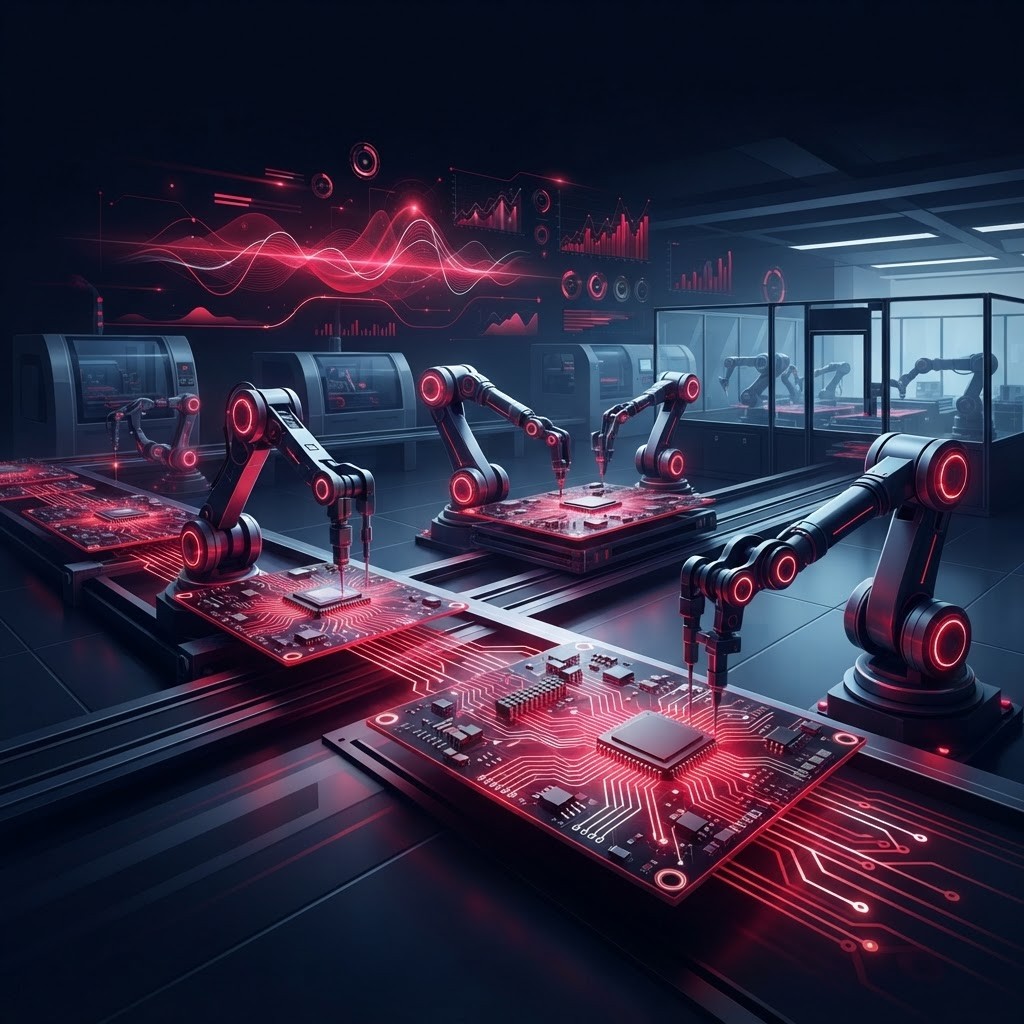
Automation, robotics, and digital manufacturing are reshaping electronics production. Leading Hungarian facilities employ smart factory principles, using data analytics, machine learning, and connected systems to optimize quality and efficiency. This embrace of Industry 4.0 principles enables manufacturers to remain competitive while meeting the exacting standards of global customers.
Quality and Reliability
In electronics manufacturing, quality is paramount. The leading firms maintain rigorous testing protocols, clean production environments, and comprehensive traceability. These practices ensure that products meet the reliability requirements of demanding sectors such as automotive, medical, and industrial applications, where failure is not an option.
Choosing an Electronics Partner
Companies seeking an electronics manufacturing partner should evaluate technical capabilities, quality certifications, production capacity, and supply-chain resilience. A strong track record, engineering support, and the ability to scale are key indicators of a manufacturer capable of delivering complex products reliably.
Conclusion
Hungary's electronics manufacturers are at the cutting edge of a rapidly evolving industry, producing everything from advanced batteries to precision automotive components. The ten companies profiled here exemplify the skill, innovation, and scale that have made the country a leading electronics hub in Central Europe. As electrification and digitalization accelerate, these manufacturers are poised to play an even greater role in shaping the technologies of tomorrow.
