
An Emerging Electronics Manufacturing Landscape
While Ecuador is not traditionally known as a global electronics hub, the country has developed a meaningful manufacturing sector focused on home appliances, electrical components, assembly operations, and related products. Driven by domestic demand and supported by industrial policy aimed at boosting local production, Ecuadorian electronics manufacturers have carved out important niches serving consumers and businesses across the Andean region.
The sector reflects a broader effort to reduce import dependence and build local industrial capacity, with companies investing in assembly lines, quality systems, and skilled technical workforces.
Scope of Electronics Manufacturing in Ecuador
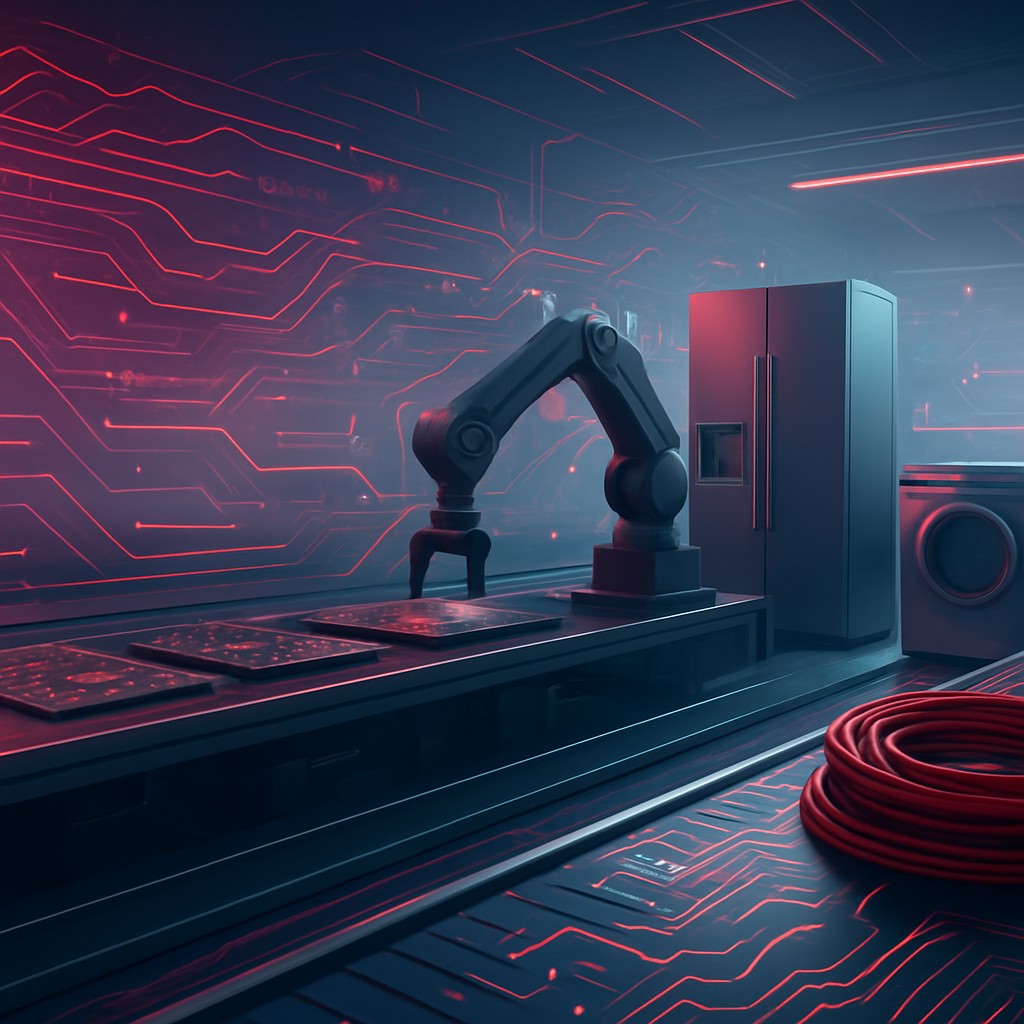
Electronics manufacturing in Ecuador covers a range of activities. White goods and home appliances such as refrigerators, stoves, washing machines, and water heaters represent a significant portion of output. Other companies focus on electrical equipment, lighting, cables, transformers, and components used in construction and industry. Assembly operations for consumer electronics and telecommunications equipment also form part of the landscape.
This diversity means the sector spans both heavy appliance manufacturing and lighter component production, supported by supply chains that combine local fabrication with imported parts.
Leading Electronics and Appliance Manufacturers
Indurama is one of Ecuador's most recognized appliance manufacturers, producing refrigerators, cookers, and other household goods with a strong reputation for quality and innovation across Latin America. Mabe Ecuador, part of a major regional appliance group, operates significant manufacturing facilities producing kitchen and laundry appliances for domestic and export markets.
Electrocables and Cables Eléctricos Ecuatorianos are leaders in the production of electrical cables and conductors, supplying the construction, industrial, and energy sectors with essential wiring products. Companies such as Incable also contribute substantially to cable and conductor manufacturing, known for adherence to international standards.
In lighting and electrical components, firms like Sylvania Ecuador and various local manufacturers produce fixtures, bulbs, and electrical accessories. Assembly-focused companies and contract manufacturers handle the production of telecommunications and consumer electronics, while industrial electronics firms supply control panels, transformers, and automation equipment to factories and utilities. Together, these manufacturers form a capable and growing electronics ecosystem.
Trends and Technological Advances
The Ecuadorian electronics sector is evolving in response to several trends. Energy efficiency has become a major focus, with appliance manufacturers designing products that consume less electricity and water to meet consumer demand and regulatory standards. The integration of smart and connected features into appliances reflects the global shift toward intelligent home technology.
Investment in automation and modern production techniques is improving quality and competitiveness, while a growing emphasis on local content and supply chain development helps manufacturers reduce costs and import reliance. Sustainability in materials and recycling of electronic waste are also gaining attention.
Economic Contributions
Electronics and appliance manufacturing provides skilled employment, supports technical education, and strengthens Ecuador's industrial base. By producing goods locally, these companies reduce import dependence, support related supply industries, and contribute to a more diversified economy. Export-oriented manufacturers also generate valuable foreign earnings, particularly within regional markets.
The sector's emphasis on technical skills helps build a workforce capable of supporting broader industrial and technological development across the country.
Selecting an Electronics Manufacturing Partner
Businesses sourcing appliances, cables, or electrical components should evaluate manufacturers based on product quality, compliance with safety and technical standards, production capacity, and after-sales support. Companies with strong quality systems, reliable delivery, and a commitment to innovation make the most dependable partners for both domestic and export needs.
The Path Forward
Ecuador's electronics manufacturing sector is positioned for steady growth as it embraces energy efficiency, smart technology, and improved production capabilities. By continuing to invest in quality, innovation, and local supply chains, the country's leading manufacturers can expand their presence in regional markets and contribute to a more technologically advanced and self-reliant industrial economy.
