
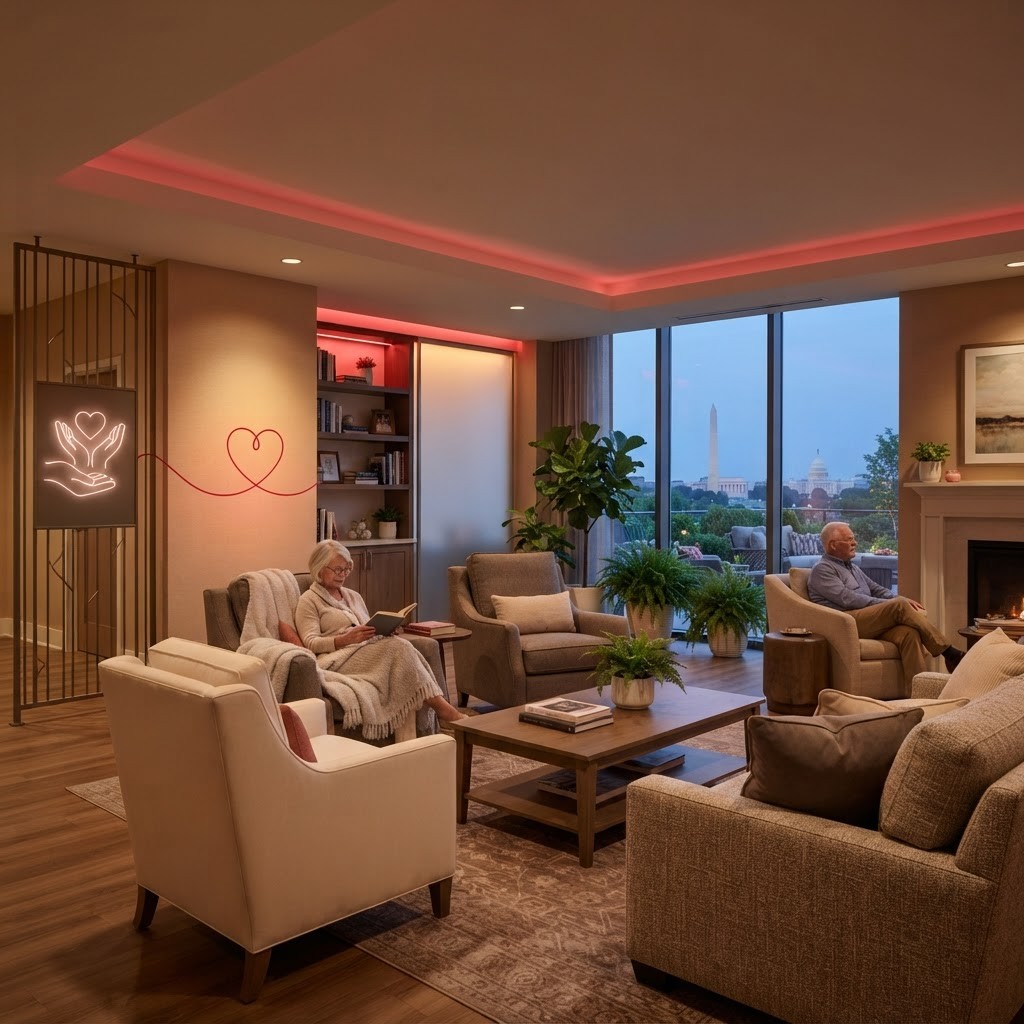
Few decisions carry the emotional weight of choosing where an aging parent or spouse will live. Washington offers a strong range of senior living options, from continuing care retirement communities in leafy Northwest neighborhoods to skilled nursing facilities with deep clinical capability and specialized memory care residences. Understanding the categories, and matching them honestly to current and likely future needs, is the foundation of a good decision.
Understanding the Levels of Senior Care
Independent living suits older adults who manage daily activities themselves but want maintenance-free housing, meals, and social programming. Assisted living adds help with bathing, dressing, medication, and mobility. Skilled nursing provides round-the-clock licensed nursing care for residents with significant medical needs or those recovering from hospitalization. Memory care offers a secured environment with staff trained specifically in dementia care. Continuing care retirement communities combine several levels on one campus, allowing residents to transition without relocating to an unfamiliar place, which is a genuine benefit as needs change.
Evaluation Criteria
These communities were assessed on staffing ratios and retention, clinical capability, quality of dining and activity programming, physical environment and outdoor access, memory care specialization, family communication practices, regulatory inspection history, and reputation within the District's aging services community.
The Top 10 Elderly Care Homes in Washington
1. Ingleside at Rock Creek
Ingleside at Rock Creek is among the District's most respected continuing care retirement communities, offering independent living, assisted living, memory care, and skilled nursing on a wooded campus. Residents value the extensive cultural and educational programming, the dining program, and the security of knowing higher levels of care are available on site. Its long history in the city and stable leadership contribute to consistent quality.
2. Knollwood
Knollwood serves military officers, their families, and now a broader community, providing independent living through skilled nursing on a well-maintained campus in upper Northwest. The shared background of many residents creates an unusually cohesive community, and the clinical services, rehabilitation therapy, and memory support program are well regarded by local physicians.
3. Grand Oaks Assisted Living
Affiliated with Sibley Memorial Hospital, Grand Oaks combines a residential assisted living setting with direct proximity to hospital and Johns Hopkins Medicine resources. That adjacency reassures families managing complex medical conditions. The community is known for attentive personal care, an engaging activity calendar, and a warm, home-like environment rather than an institutional one.
4. Chevy Chase House
Chevy Chase House offers independent and assisted living in a distinctly urban setting, allowing residents to remain connected to neighborhood shops, restaurants, and cultural life. Apartments are spacious, dining is restaurant-style, and staff longevity is notable. For older adults reluctant to leave city life for a suburban campus, it is a compelling option.
5. Forest Side Memory Care
Forest Side is purpose-built for residents living with Alzheimer's disease and other dementias, with a secured environment, small household design, and staff trained specifically in dementia support. Programming emphasizes familiar routine, sensory engagement, and dignity, and the physical layout is designed to reduce confusion and agitation rather than simply to contain it.
6. Lisner-Louise-Dickson-Hurt Home
This long-standing nonprofit provides assisted living and skilled nursing to District seniors, including many with limited financial resources. Its mission-driven model has served the city for well over a century, and it is respected for compassionate care, community integration, and a commitment to residents who would have few alternatives elsewhere.
7. Stoddard Baptist Nursing Home
Stoddard Baptist provides skilled nursing and rehabilitation services with deep roots in the District's African American community. The facility offers long-term care, short-term rehabilitation following hospitalization, and specialized programs for residents with complex medical needs. Cultural familiarity and a strong spiritual care program are frequently cited by families.
8. Thomas House
Located near Capitol Hill, Thomas House offers independent and assisted living with an emphasis on affordability and community engagement. Residents remain close to city amenities, and the community maintains an active volunteer and social program. For seniors who want to stay in the neighborhood where they have lived for decades, proximity is itself a therapeutic factor.
9. Sunrise Senior Living
Sunrise operates several communities serving the Washington area, offering assisted living and memory care with a consistent, well-documented care model. Its residences emphasize individualized service plans, family communication, and personalized memory care programming built around each resident's history and preferences. National scale supports staff training and quality standards.
10. The Washington Home Continuum of Care
With a legacy of serving District residents, this organization has long provided skilled nursing, hospice, and palliative care in the city. Its expertise in end-of-life care is particularly valued, offering families clinical competence combined with genuine attention to comfort, dignity, and emotional support during the most difficult period of care.
Trends in Senior Care
Household and small-house models are replacing long institutional corridors, organizing residents into smaller groups with consistent staff, which improves both satisfaction and clinical outcomes. Person-centered care planning has become standard, building schedules around resident preference rather than facility convenience. Technology adoption is accelerating, with fall detection sensors, medication management systems, and telehealth visits reducing avoidable hospital transfers. Memory care has grown more sophisticated, drawing on environmental design and non-pharmacological behavioral approaches. There is also greater integration between senior living and home-based services, allowing older adults to age in place longer before relocating.
How to Evaluate an Elderly Care Home
Visit more than once, including at mealtime and in the evening when staffing is thinner. Observe whether residents are engaged or largely unattended, and whether staff address them by name. Ask directly about staffing ratios on each shift, staff turnover rates, and how the community handles a resident whose needs increase. Review state inspection reports. Discuss costs in detail, including what triggers a higher care level and additional fees. Most importantly, include the older adult in the decision wherever possible, because a sense of agency strongly influences how well someone adjusts.
Final Thoughts
Washington's senior care landscape includes historic nonprofit homes, mission-driven community facilities, and modern continuing care campuses. The right choice balances clinical capability with quality of daily life, and it accounts for how needs are likely to evolve over the coming years. Families who visit thoroughly, ask uncomfortable questions, and trust what they observe over what they are told generally find a community where their loved one can live well.
