
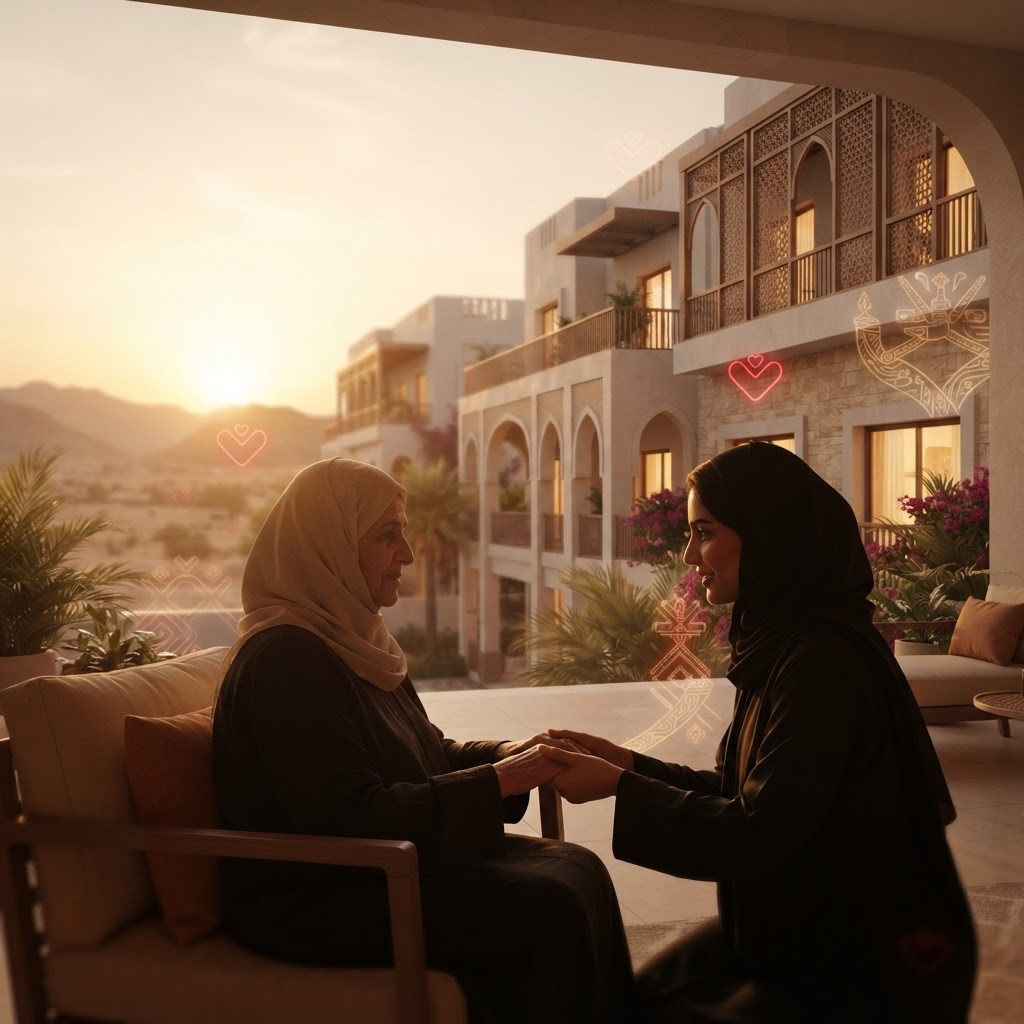
Understanding Elderly Care in Oman
Family remains at the heart of Omani society, and caring for elders is deeply rooted in the nation's cultural and religious values. Traditionally, senior family members have been cared for at home. However, as lifestyles evolve and families balance demanding careers, the need for professional elderly care services has steadily grown. Today, a number of specialized care homes and assisted living facilities in Oman provide compassionate, medically supervised support that complements family involvement rather than replacing it.
The Growing Need for Professional Care
Oman's population is gradually aging, and with longer life expectancy comes an increased prevalence of chronic conditions requiring ongoing attention. Elderly care homes address this reality by offering structured environments where seniors receive nutritious meals, medication management, physiotherapy, and round-the-clock supervision. These facilities are designed to preserve dignity, encourage social interaction, and enhance overall quality of life for residents.
Leading Elderly Care Providers
Several organizations have earned respect for their commitment to senior wellbeing. Dar Al Hanan Elderly Care is recognized for its warm, family-oriented approach and attentive nursing staff. Golden Age Care Center focuses on rehabilitation and long-term care, blending medical expertise with comfortable residential spaces. Al Rahma Home Care Services has built a strong reputation for delivering professional in-home support for families who prefer their loved ones to remain in familiar surroundings.
Facilities such as Muscat Senior Living emphasize holistic wellness, offering therapeutic activities, spiritual support, and engaging recreational programs. The Ministry of Social Development also supports government-affiliated care initiatives that ensure vulnerable seniors receive essential services regardless of their financial situation.
Services That Set Quality Homes Apart
The best elderly care homes in Oman combine clinical excellence with genuine compassion. Comprehensive services typically include personalized care plans, specialized dementia support, mobility assistance, and dietary management tailored to individual health needs. Trained caregivers monitor residents closely, while visiting physicians and nurses provide medical oversight.
Emotional and social wellbeing is equally important. Leading homes organize group activities, cultural celebrations, and gentle exercise sessions to keep residents active and engaged. Comfortable, accessible living spaces designed with safety features such as handrails and non-slip flooring help prevent accidents and promote independence.
Cultural Sensitivity and Family Involvement
In Oman, elderly care providers place strong emphasis on respecting cultural and religious values. Facilities accommodate prayer routines, halal dietary requirements, and family visitation, ensuring seniors remain connected to their heritage and loved ones. This culturally attuned approach reassures families that their elders are treated with the honor and respect they deserve.
Choosing the Right Care Home
Selecting an elderly care home is a significant decision. Families should evaluate staff qualifications, caregiver-to-resident ratios, hygiene standards, and the range of medical services available. Visiting the facility in person offers valuable insight into the atmosphere, cleanliness, and the demeanor of staff. Transparent communication, clear care plans, and positive resident feedback are strong indicators of a trustworthy provider.
Types of Care Available
Elderly care in Oman spans several models to suit different needs. Residential care homes provide full-time accommodation with continuous supervision, ideal for seniors requiring intensive support. Assisted living arrangements offer a balance of independence and assistance, allowing residents to maintain daily routines while receiving help when needed. In-home care services have grown particularly popular, enabling seniors to remain in the comfort of their own homes while trained caregivers provide medical and personal support. Day-care programs offer respite for family caregivers, providing structured activities and supervision during working hours.
The Importance of Trained Caregivers
The quality of any elderly care service depends heavily on the skill and compassion of its caregivers. Leading providers in Oman invest in professional training, ensuring staff are equipped to handle medical needs, mobility challenges, and conditions such as dementia with patience and expertise. Continuous education, cultural sensitivity training, and a genuine dedication to resident welfare distinguish exceptional caregivers. Adequate staffing levels are equally important, as they allow personalized attention and rapid response to changing health conditions, giving families confidence that their loved ones are in capable hands.
Cost Considerations and Accessibility
Understanding the cost of elderly care helps families plan effectively for their loved ones' future. Fees in Oman vary according to the level of care required, the type of accommodation, and the range of medical services provided. In-home care may offer a flexible, cost-conscious alternative for families who wish to keep relatives at home, while residential facilities bundle comprehensive services into structured packages. Reputable providers offer transparent pricing and clear explanations of what each plan includes, enabling families to select an option that balances quality care with their financial circumstances and long-term needs.
The Future of Aged Care in the Sultanate
As awareness grows, Oman's elderly care sector is expected to expand and modernize. Investment in specialized training, assistive technology, and purpose-built facilities will further raise standards. The most respected care homes will continue to blend professional expertise with the warmth and dignity central to Omani culture. For families seeking reliable support, Oman offers an increasing number of dedicated facilities committed to ensuring seniors enjoy comfort, security, and a meaningful quality of life in their later years.
