
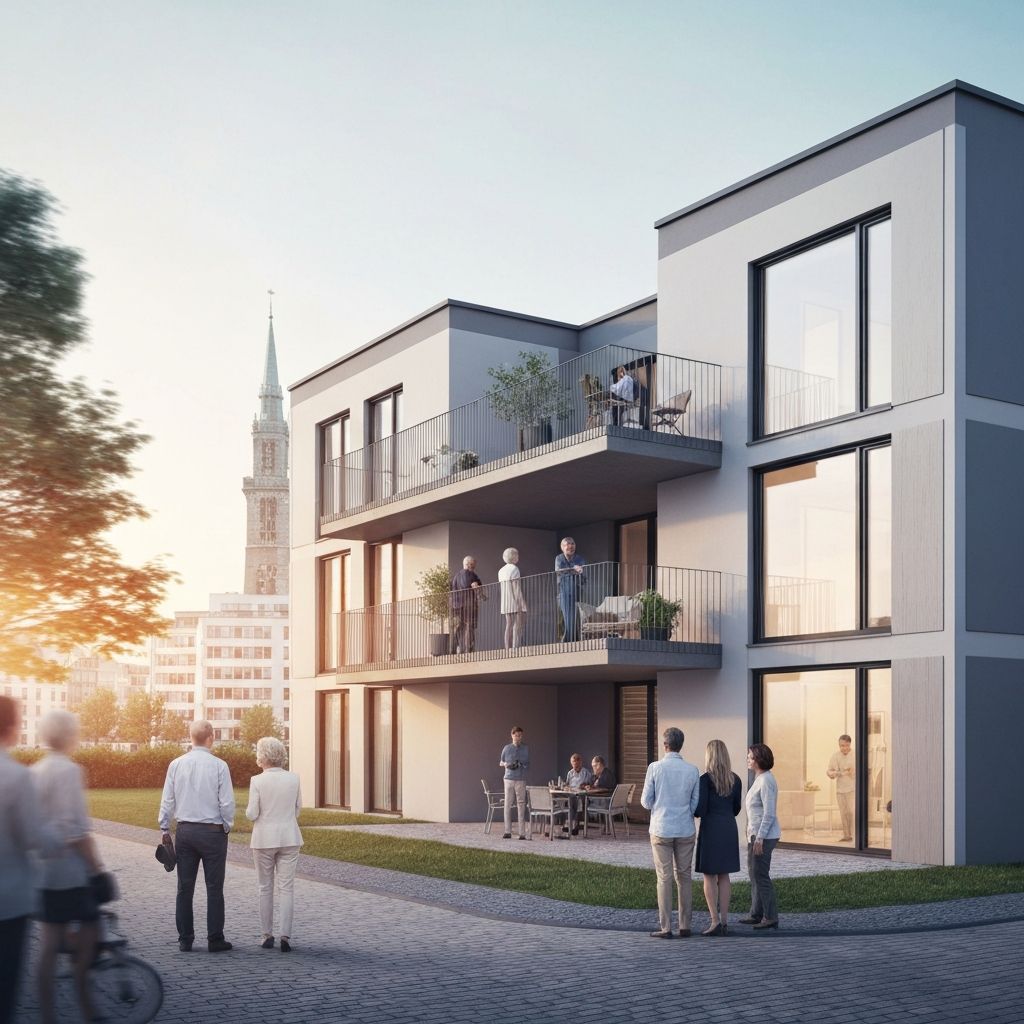
The German Elderly Care Landscape
Germany has a well-developed elderly care system supported by both public and private operators. With one of Europe's oldest populations, the country has invested heavily in residential care facilities, assisted living, and specialized dementia care. Quality is regulated through national standards, and residents typically benefit from structured daily programs, medical supervision, and social activities tailored to their needs.
Why Quality Senior Living Matters
Choosing a care home is one of the most important decisions families make. German care homes are known for their attention to dignity, autonomy, and quality of life. Modern facilities combine medical expertise with hospitality, offering private rooms, communal lounges, gardens, and therapeutic programs that support physical and emotional well-being.
1. Korian Deutschland
Korian operates a large network of senior care facilities across Germany, known for high-quality nursing services and modern amenities. The group emphasizes individualized care plans and a strong focus on dementia and palliative support.
2. Pro Seniore
Pro Seniore is a respected name in German elderly care, offering well-equipped homes with structured therapeutic activities, on-site medical staff, and comfortable living spaces designed to feel homely rather than clinical.
3. Alloheim Senioren-Residenzen
Alloheim operates one of the largest networks of senior residences in Germany. The brand is recognized for combining professional nursing care with engaging social programs, ensuring residents stay active and connected.
4. Vitanas
Vitanas provides care services across numerous locations, with a strong emphasis on rehabilitation, dementia care, and short-term stays. Its facilities are known for attentive staffing and personalized care plans.
5. Caritas Altenheime
Caritas operates many elderly care homes across Germany under its non-profit umbrella. With a focus on Christian values and human dignity, Caritas facilities are widely trusted by families seeking compassionate, community-oriented care.
6. AWO Senioreneinrichtungen
The AWO (Arbeiterwohlfahrt) network is another key non-profit operator known for inclusive, value-driven elderly care. Its homes provide structured medical care alongside lively cultural programs and community events.
7. Diakonie Seniorenzentren
Diakonie offers a wide range of senior care services, from independent living to intensive nursing. Its facilities emphasize spiritual care, social integration, and partnership with local communities.
8. DRK (Deutsches Rotes Kreuz) Seniorenheime
The German Red Cross runs elderly care homes that combine medical professionalism with humanitarian values. Residents benefit from skilled nursing, emergency preparedness, and active engagement programs.
9. Kursana
Kursana is part of the Dussmann Group and operates premium residences with modern interiors, on-site therapy, and dedicated dementia units. The brand is widely recognized for its high care standards.
10. Johanniter Seniorenhäuser
Johanniter operates senior homes that emphasize holistic care, including physical rehabilitation, emotional support, and social engagement. Its long tradition in healthcare ensures consistent service quality.
Key Factors When Selecting a Care Home
Families should consider location, staff-to-resident ratios, specialized services such as dementia care, and the social atmosphere of each facility. Visiting multiple homes, speaking with current residents and staff, and reviewing care plans are all important steps in making the right choice.
Trends Shaping Elderly Care in Germany
The German elderly care sector is steadily adopting digital health tools, smart monitoring systems, and personalized therapy programs. There is also a strong shift toward smaller, community-style homes that prioritize a sense of belonging. As demand grows, providers are investing in staff training, technology, and architecture that supports aging with dignity.
